First days of summer and the weather is warming up! Looks like a few cool days are still in the forecast then some hot, hot heat. We are hoping the hot won't be too much for the plants, and we won't lose all the lettuce like last year's heat wave. But the tomatoes and peppers will love it!
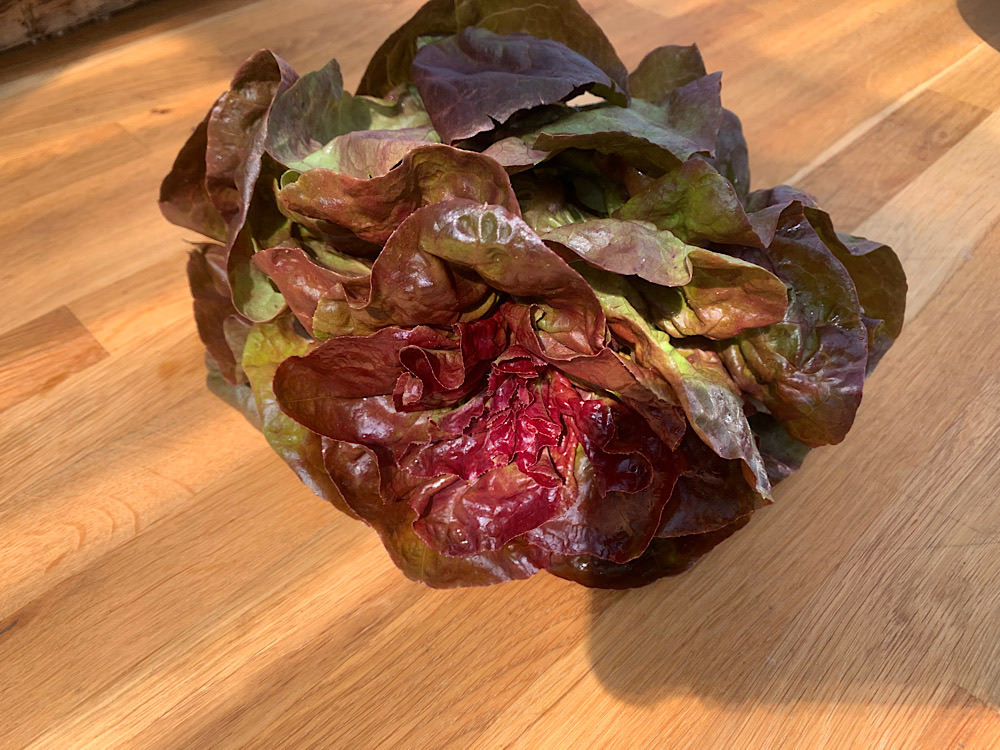
Leaf Lettuce
Lettuce is best known for salad, but you can cook it too. Adding greens at the end of a cooking dish so they just soften.
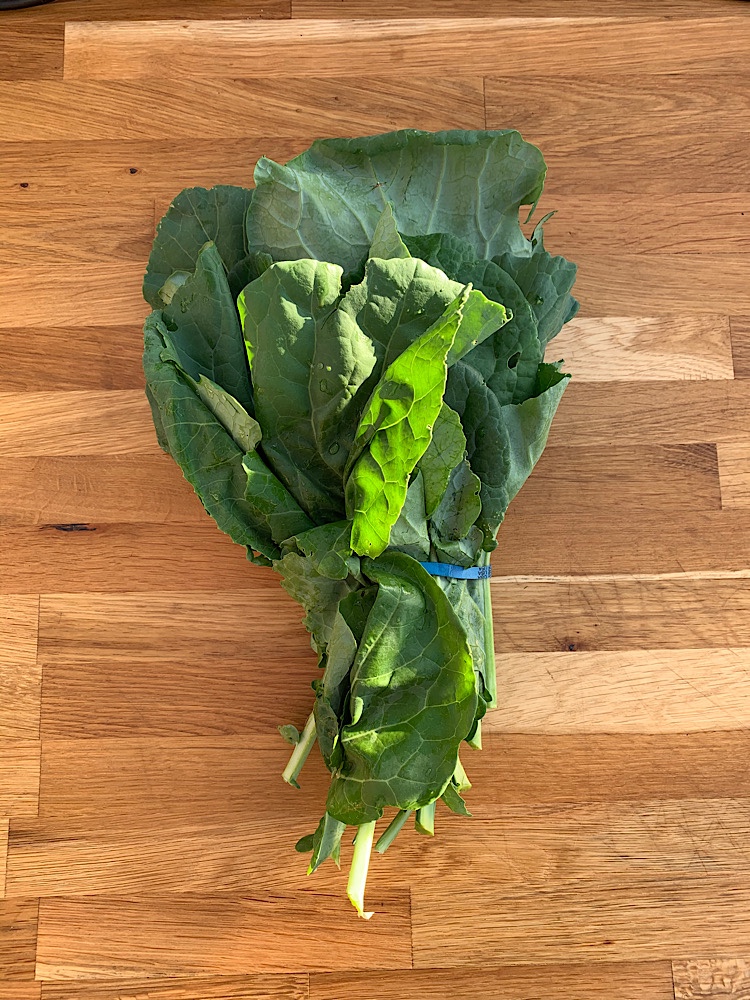
Collards are in the same family as cabbage, broccoli and cauliflower. A bitter green.
Prep
Rinse. Eat raw or cooked. Stems take longer to cook. I like to remove them and cook longer than leaves.
How to use:
Sautéed Collard Greens: Heat a tablespoon of oil in a large skillet over medium heat. Add chopped onions and minced garlic and sauté for a minute. Then add chopped collard greens, a pinch of salt, and some red pepper flakes (optional). Cook until the collard greens are tender, stirring occasionally.
Collard Green Wraps: Use collard greens as a substitute for tortillas or bread in wraps. Fill with your favorite veggies, protein, and sauce for a healthy and flavorful meal.
Collard Green Chips: Preheat the oven to 350°F. Remove the stems from collard greens and tear them into large pieces. Toss the leaves with a little oil and salt. Spread the leaves in a single layer on a baking sheet and bake for 10-15 minutes, or until crispy.
Collard Green Pesto: Combine blanched collard greens, garlic, olive oil, Parmesan cheese, and nuts (such as almonds or pine nuts) in a food processor. Pulse until the mixture forms a smooth paste. Serve with pasta or as a dip.
Collard Green Salad: Thinly slice raw collard greens and toss with a citrus-based dressing, sliced almonds, and dried fruit (such as cranberries or raisins). Add crumbled feta cheese or goat cheese for extra flavor.
Collard Green Soup: Cook chopped onions and garlic in a large pot until softened. Add chopped collard greens, chicken or vegetable broth, and a can of diced tomatoes. Season with salt and pepper to taste. Simmer until the collard greens are tender and the flavors are blended. Serve with crusty bread.
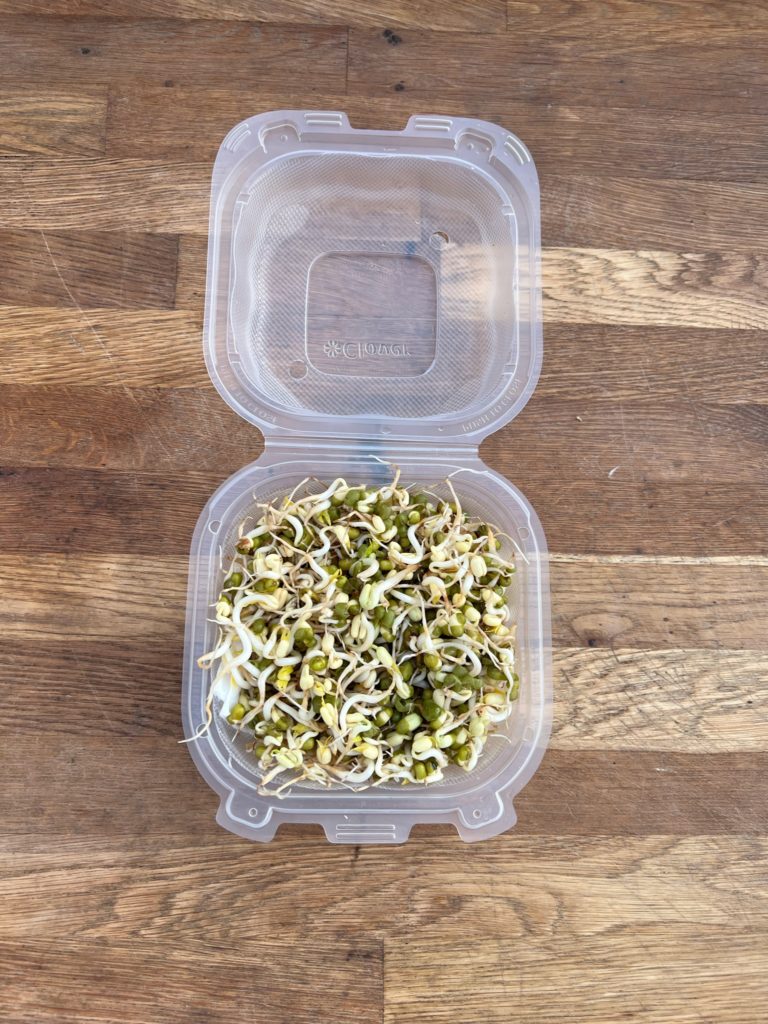
Mung bean sprouts are, crisp, and crunchy sprouts that emerge from germinated mung beans. These sprouts are commonly used in various cuisines, particularly in Asian dishes. Mung bean sprouts have a delicate and mild flavor, with a slight nuttiness.
Prep
Rinse. Eat raw or cooked.
Storing
To store it, place unwashed sprouts in a container lined with a dry paper towel to absorb excess moisture. Seal the bag or container loosely to allow for some airflow. Store the bag in the refrigerator's crisper drawer, where it will stay fresh for a few days.
How to use:
Salad: Add mung bean sprouts to your favorite salad recipe for a crunchy texture and a boost of nutrition.
Stir-fry: Stir-fry mung bean sprouts with vegetables like bell peppers, mushrooms, and onions for a quick and easy meal.
Sandwiches and wraps: Use mung bean sprouts as a filling for sandwiches or wraps, along with other vegetables and your favorite protein.
Soups and stews: Add mung bean sprouts to soups and stews for a refreshing crunch. They are delicious in Asian-style soups like miso soup or tom yum soup.
Spring rolls: Use mung bean sprouts as a filling for fresh spring rolls, along with other vegetables and your favorite protein.
Toppings: Use mung bean sprouts as a topping for dishes like ramen, pho, or bibimbap, along with other toppings like scallions, cilantro, and sesame seeds.
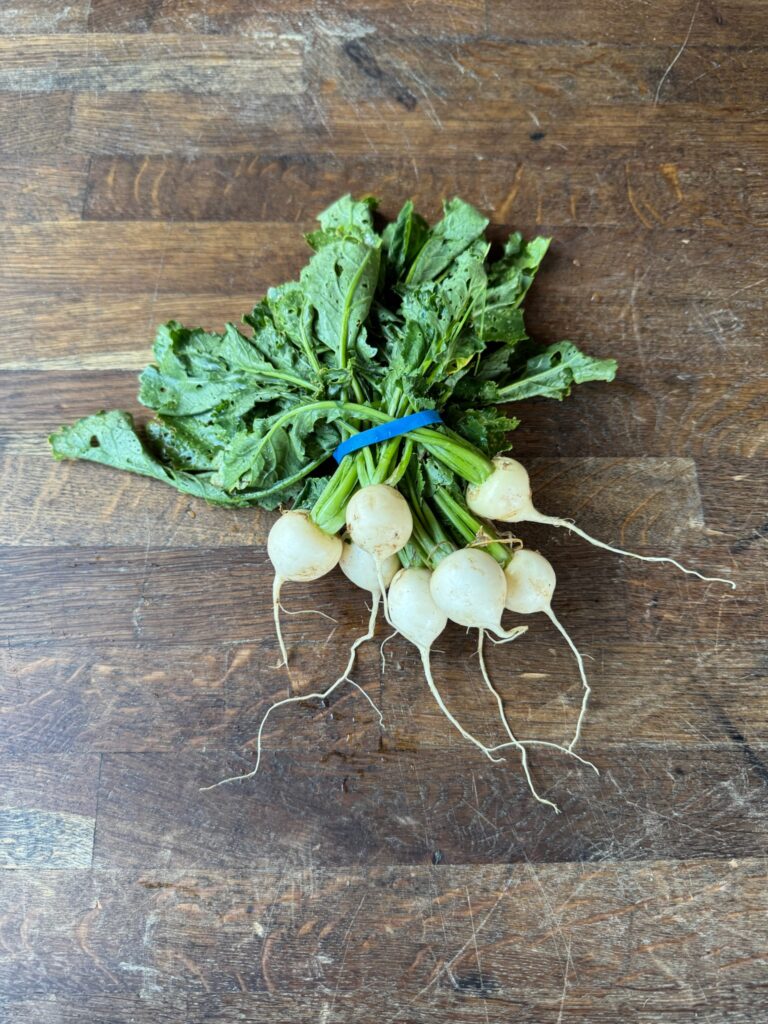
Hakurei turnips, also known as baby salad turnips, are small, smooth, white turnips with tender skin and a sweet, crisp texture. Unlike larger, more pungent turnips, these can be enjoyed raw or cooked, and their mild flavor makes them a favorite in fresh salads, pickles, or lightly sautéed dishes. The leafy green tops are also edible and can be used like other leafy greens in sautés or soups.
Prep
Rinse. The whole turnip is edible, leaves and root. Eat raw or cooked. If the leaves start to wilt, you can revive them by soaking in ice water for a few minutes before patting them dry and using as desired.
Storing
Store the turnips and greens separately.
It's best to use leaves within a few days for optimal flavor. To store it, place unwashed leaves in a perforated plastic bag or a container lined with a dry paper towel to absorb excess moisture. Seal the bag or container loosely to allow for some airflow. Store the bag in the refrigerator's crisper drawer, where it will stay fresh for a few days.
Turnip roots can keep for months in the refrigerator.
Preserving
Freezing: Turnips can be blanched and frozen for long-term storage. Start by cutting the turnips into your desired shape (slices, cubes, or wedges). Blanch them in boiling water for a couple of minutes, then immediately transfer them to an ice bath to stop the cooking process. Drain and pat dry the turnips before packaging them in airtight freezer bags or containers. Label and date the packages, then store them in the freezer for up to 10 to 12 months.
Fermenting: Fermenting turnips creates a tangy and flavorful product. Grate the turnips, then place them in a clean jar. Prepare a brine solution by dissolving salt in water (approximately 2 tablespoons of salt per quart of water). Pour the brine over the grated turnips, ensuring they are completely submerged. Place a weight on top to keep the turnips submerged and cover the jar loosely with a lid. Allow the turnips to ferment at room temperature for a few days to a week, depending on your desired level of fermentation. Taste after a few days. Once fermented, secure the lid tightly and store the jar in the refrigerator.
Pickling: Turnips can be pickled to preserve their crispness and add a tangy flavor. Prepare a pickling brine by combining vinegar, water, salt, sugar, and your choice of spices. Bring the brine to a boil, then let it cool. Peel and slice the turnips, then pack them into sterilized jars. Pour the cooled brine over the turnips, ensuring they are fully submerged. Seal the jars with sterilized lids and store them in the refrigerator. Allow a few days for the flavors to develop before enjoying the pickled turnips.
How to use:
Raw in Salads: Slice or quarter baby salad turnips and toss them into green or grain salads for a sweet, crisp bite.
Pickled: Quick-pickle sliced turnips in vinegar, sugar, and salt for a tangy snack or topping.
Sautéed: Sauté whole or halved turnips in olive oil or butter until golden and tender. Add the greens near the end for a full use of the plant.
Roasted: Roast with other root vegetables for a caramelized, slightly sweet side dish.
Soups and Stir-Fries: Add chopped turnips and greens to soups or stir-fries for a light, earthy flavor and tender texture.
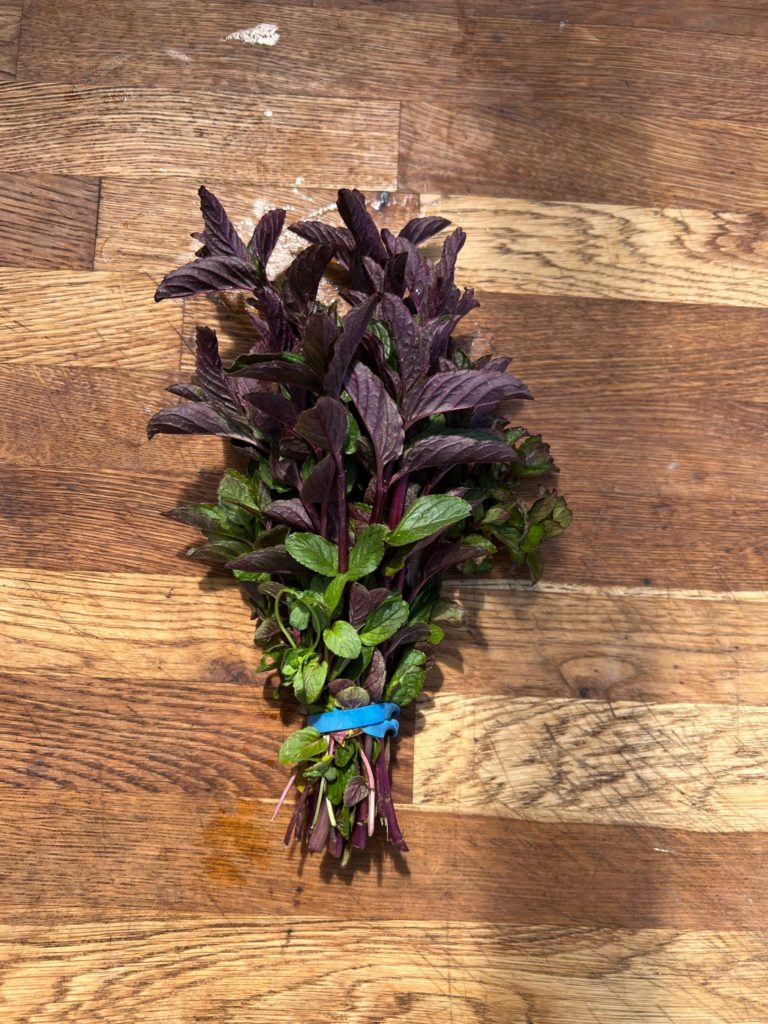
Mint is a fragrant herb known for its refreshing and cooling properties. It features vibrant green leaves that grow on square stems. Its taste is often described as fresh, aromatic, and mildly sweet with a subtle peppermint or spearmint flavor, depending on the variety. Mint is commonly used in both savory and sweet dishes, including salads, teas, cocktails, desserts, and as a garnish.
Prep
Rinse. Remove leaves from stems, chop or add whole leaves. Eat raw or cooked.
Storing
It's best to use it within a few days for optimal flavor. To store it, wrap the fresh mint in a damp paper towel and place it in a plastic bag. Store the bag in the refrigerator's crisper drawer, where it will stay fresh for a few days.
How to use:
Add it to salads: Tear or chop fresh mint leaves and toss them into green salads or fruit salads for a burst of freshness.
Flavor drinks: Mint leaves are commonly used to flavor beverages such as iced tea, lemonade, or cocktails. Muddle a few leaves in the bottom of a glass before adding the liquid to release the oils.
Infuse water: Place a few fresh mint leaves in a pitcher of water for a refreshing infused water.
Garnish dishes: Sprinkle whole or chopped mint leaves on top of dishes like soups, stews, curries, or roasted vegetables for added flavor and visual appeal.
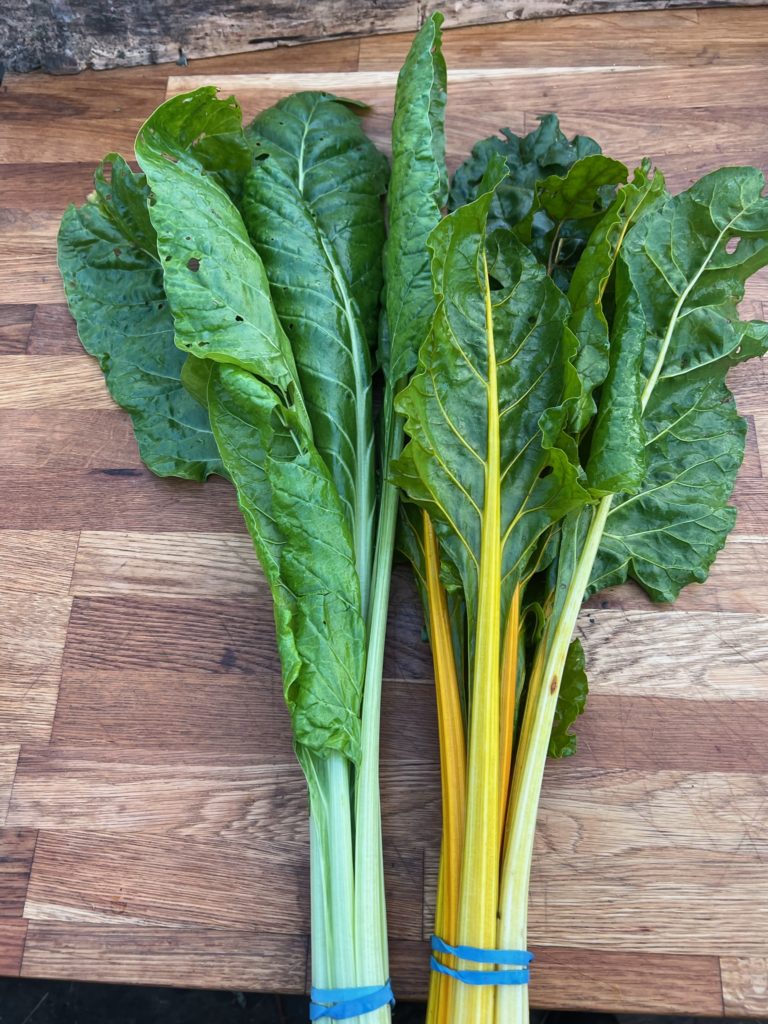
Rainbow chard, a vibrant and visually stunning leafy green, is a variety of Swiss chard distinguished by its multicolored stems and veins. The leaves are broad, glossy, and range in color from deep green to red and yellow. With a flavor profile similar to spinach, rainbow chard offers a mild earthiness and a slight bitterness. Suitable for both raw and cooked applications, rainbow chard can be sautéed, steamed, stir-fried, or added fresh to salads.
Prep
Rinse. Remove from stems because leaves cook faster. Chop or use whole leaves. Eat raw or cooked. If the chard starts to wilt, you can revive it by soaking the leaves in ice water for a few minutes before patting them dry and using as desired.
Storing
To store chard, place unwashed leaves in a bag or a container lined with a dry paper towel to absorb excess moisture. Seal the bag or container loosely to allow for some airflow. Store the bag in the refrigerator's crisper drawer, where it will stay fresh for a few days.
How to use:
Rainbow Chard can be used any way you would use spinach.
Sautéed Rainbow Chard: Heat olive oil in a pan, add stems first and once soft, add leaves, and sauté with garlic, onions, or your favorite herbs and spices for a quick and nutritious side dish.
Rainbow Chard Salad: Use raw, thinly sliced rainbow chard leaves in salads. Combine with other greens, cherry tomatoes, nuts, and a light vinaigrette for a refreshing and colorful salad.
Stir-Fried Rainbow Chard: Stir-fry rainbow chard with other vegetables, tofu, or meat for a flavorful and vibrant stir-fry. Add soy sauce, ginger, and garlic for an Asian-inspired twist.
Rainbow Chard Wraps: Use large rainbow chard leaves as a wrap for your favorite fillings, such as hummus, quinoa, or grilled vegetables.
Rainbow Chard and Cheese Frittata: Incorporate sautéed rainbow chard into a frittata along with cheese, eggs, and herbs.
Rainbow Chard Smoothie: Add raw rainbow chard leaves to your favorite smoothie for a nutrient boost.
Rainbow Chard and Lentil Soup: Include chopped rainbow chard in hearty soups with lentils, beans, and a variety of vegetables for a nutritious and satisfying meal.
Rainbow Chard Pesto: Blend rainbow chard leaves with garlic, pine nuts, Parmesan cheese, and olive oil to create a vibrant and nutritious pesto. Use it on pasta, sandwiches, or as a dip.