A Note From Chris
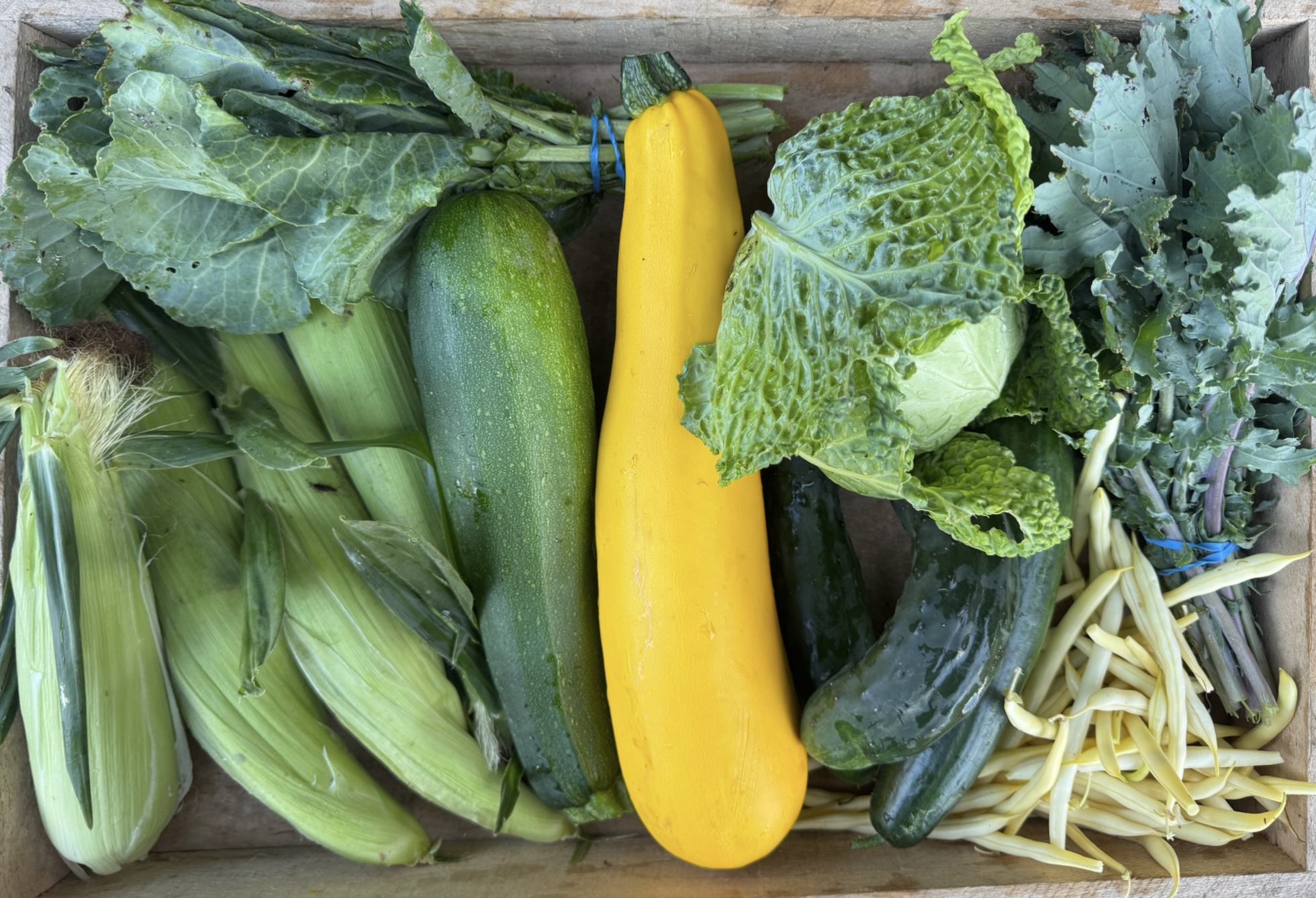
Batter up! After last week’s heat, the zucchini have gone right back into baseball bat mode. Apparently they took the heat wave as a personal challenge.
There was supposed to be lettuce mix this week, but the heat had other plans and cooked it before we could pick it.
The corn, on the other hand, is happy! We’ve got corn this week! Unfortunately, the raccoons have also discovered the corn patch, so now we’re in a race to see who gets to it first. Hopefully they leave us alone long enough for all of us to enjoy most of it.
We’re finally starting to see a few more ripe tomatoes too. Fingers crossed, if they keep going, we’ll have enough to start including them in the boxes next week. Weirdly, the slicers are ripening before the cherry tomatoes this year. Apparently nobody told the tomatoes what order they’re supposed to do this in.
The garden is doing its best to keep up with the weather, and so are we. It’s been a little bit of “what survived this week?” around here, but things are still growing and producing.
And in non-garden news, Plum had twin lambs this week! Mom and babies are doing well, and we’re pretty excited to have two new little faces running around the farm.

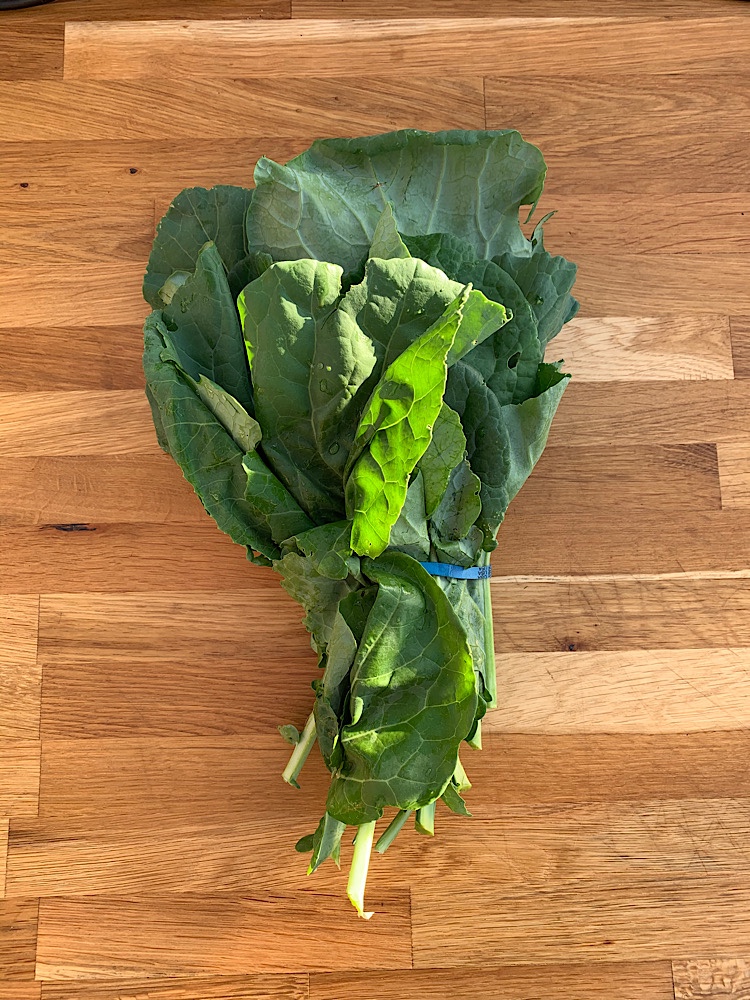
Collards are in the same family as cabbage, broccoli and cauliflower. A bitter green.
Rinse. Eat raw or cooked. Stems take longer to cook. I like to remove them and cook longer than leaves.
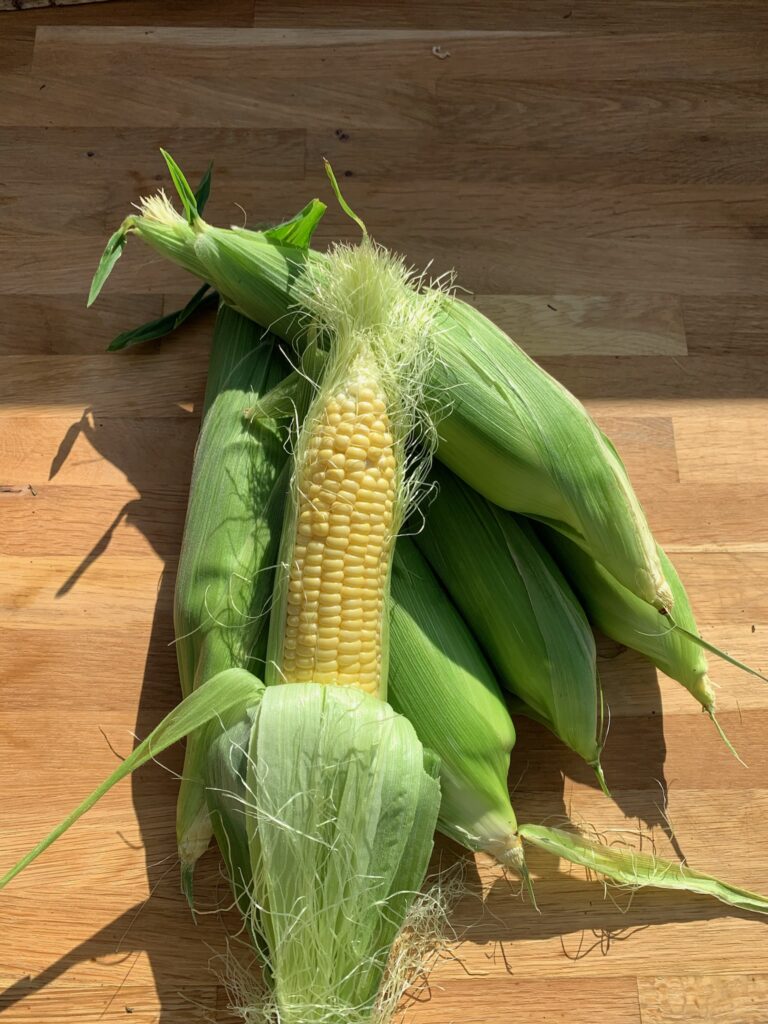
Corn on the cob is a quintessential summer treat, featuring tender, sweet kernels tightly nestled on a round cob. With a vibrant golden hue, each cob boasts a delightful mix of flavor and texture. Grilled, boiled, or steamed, corn on the cob exudes a satisfying crunch and bursts of sugary juice with every bite. Often adorned with a drizzle of butter, a sprinkle of salt, and a touch of herbs.
To ensure the best flavor and texture, it's recommended to use fresh corn on the cob right away. If you plan to wait, store the corn in a cool, well-ventilated place. Avoid exposing it to direct sunlight or high temperatures, as this can cause the kernels to dry out and lose their sweetness. If the husks are still intact, they can help protect the corn. If not, you can wrap the corn in a damp paper towel and place it in a plastic bag to prevent moisture loss. Using fresh corn promptly will provide you with the optimal taste and crunch that this seasonal delight offers.
Remove husks, unless you are grilling. Cook on the cob or remove the kernels.
Freezing: Start by blanching the corn in boiling water for a few minutes, then quickly transferring it to an ice bath to cool. Once cooled, cut the kernels off the cob and pack them into airtight freezer bags or containers. Label and date them before placing them in the freezer. Frozen corn can be used in soups, stews, casseroles, or as a side dish.
How to use
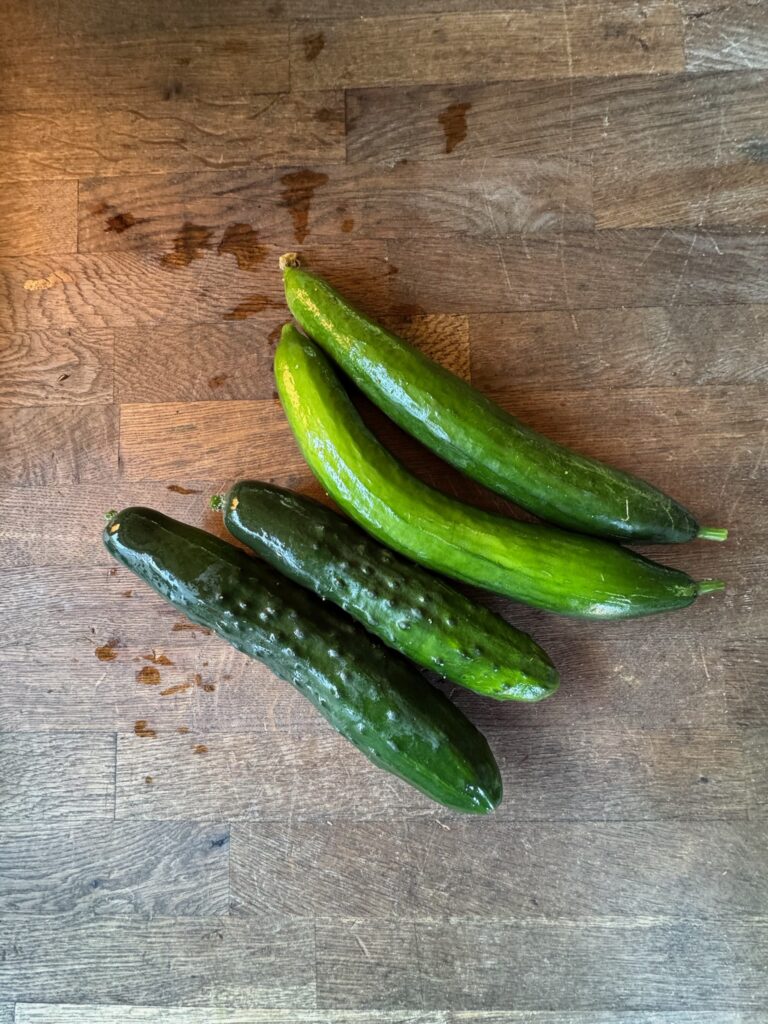
Cucumbers are a crisp and refreshing vegetable with a mild, subtly sweet flavor. They have a high water content, which gives them a hydrating and cooling quality. The flesh of cucumbers is pale green and juicy, with a crisp texture. They are commonly enjoyed fresh in salads, sandwiches, and wraps, or sliced as a refreshing snack.
Please refrigerate.
Rinse. Eat raw or cooked.
Pickling: To make refrigerator pickled cucumbers, start by washing and thinly slicing the cucumbers. Place the cucumber slices in a clean, sterilized jar or container. In a separate bowl, combine equal parts of water and vinegar (such as white vinegar or apple cider vinegar) along with salt and sugar to taste. Stir until the salt and sugar dissolve completely. You can also add spices like dill, garlic, mustard seeds, or red pepper flakes for extra flavor. Pour the vinegar mixture over the cucumber slices, making sure they are fully submerged. Place a lid or cover on the jar and refrigerate for at least 24 hours to allow the flavors to develop. The pickled cucumbers will keep well in the refrigerator for up to a few weeks, and they can be enjoyed as a tangy and refreshing snack or used as a topping for sandwiches, salads, or tacos.
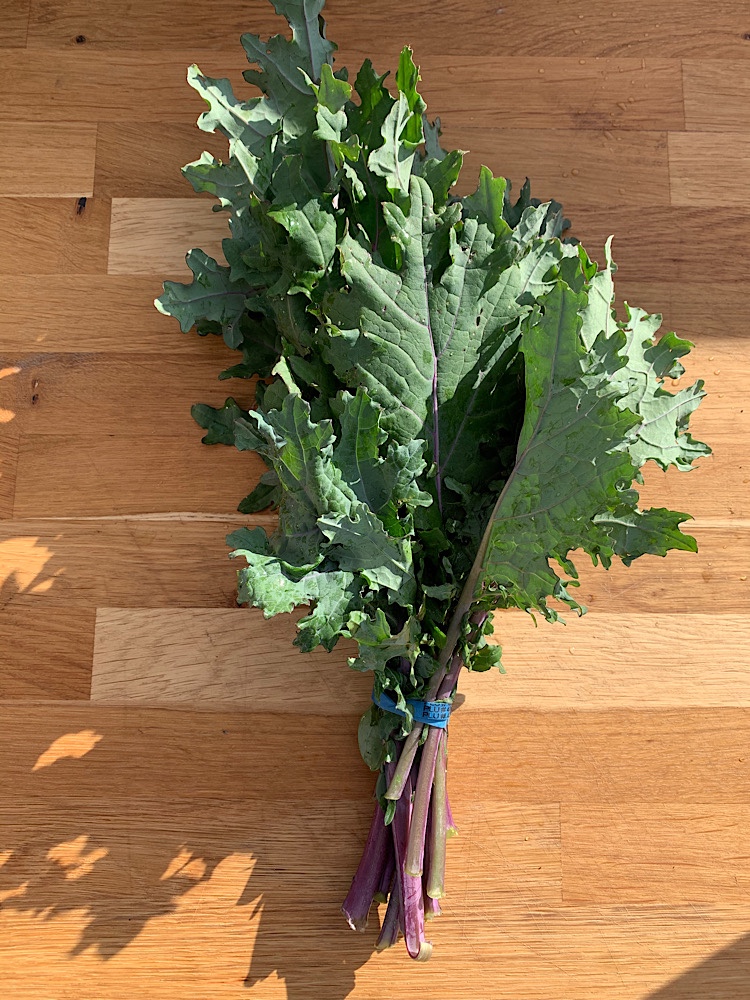
Kale, a leafy green vegetable renowned for its robust and earthy flavor, belongs to the Brassica family and stands as a nutritional powerhouse. Its slightly bitter, peppery taste lends itself well to a multitude of culinary applications, from hearty salads and smoothies to sautés and soups.
Rinse. Remove from stems because leaves cook faster. Chop or use whole leaves. Eat raw or cooked. If the kale starts to wilt, you can revive it by soaking the leaves in ice water for a few minutes before patting them dry and using as desired.
To store kale, place unwashed leaves in a container lined with a dry paper towel to absorb excess moisture. Seal the bag or container loosely to allow for some airflow. Store the bag in the refrigerator's crisper drawer, where it will stay fresh for a few days.
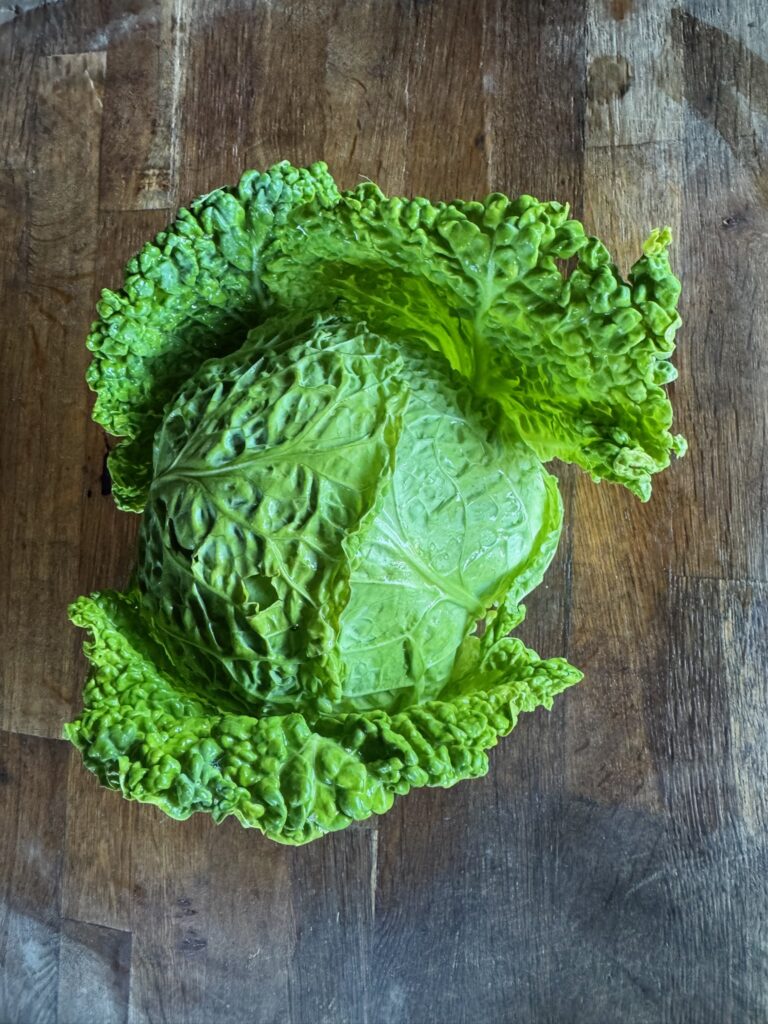
Savoy cabbage is known for its deeply crinkled, tender leaves and mild, slightly sweet flavor. Compared with traditional green cabbage, its leaves are softer and more delicate while still holding up well to cooking. Savoy cabbage can be enjoyed raw in salads and slaws, fermented into sauerkraut, or cooked in soups, stews, stir-fries, and sautés. Its flexible leaves are especially well suited for stuffed cabbage rolls. Rich in vitamin C and dietary fiber, Savoy cabbage is a versatile vegetable that works equally well in fresh and cooked dishes.
To store cabbage and maintain its freshness, wait to remove any loose or damaged outer leaves, they will protect the cabbage in the refrigerator. Place the cabbage in the vegetable crisper drawer of your refrigerator. It can typically be stored in the fridge for several weeks, maintaining its crispness and flavor. If you've cut a portion of the cabbage, wrap the remaining part securely to prevent it from drying out.
Remove outer leaves. Rinse. Eat raw or cooked.
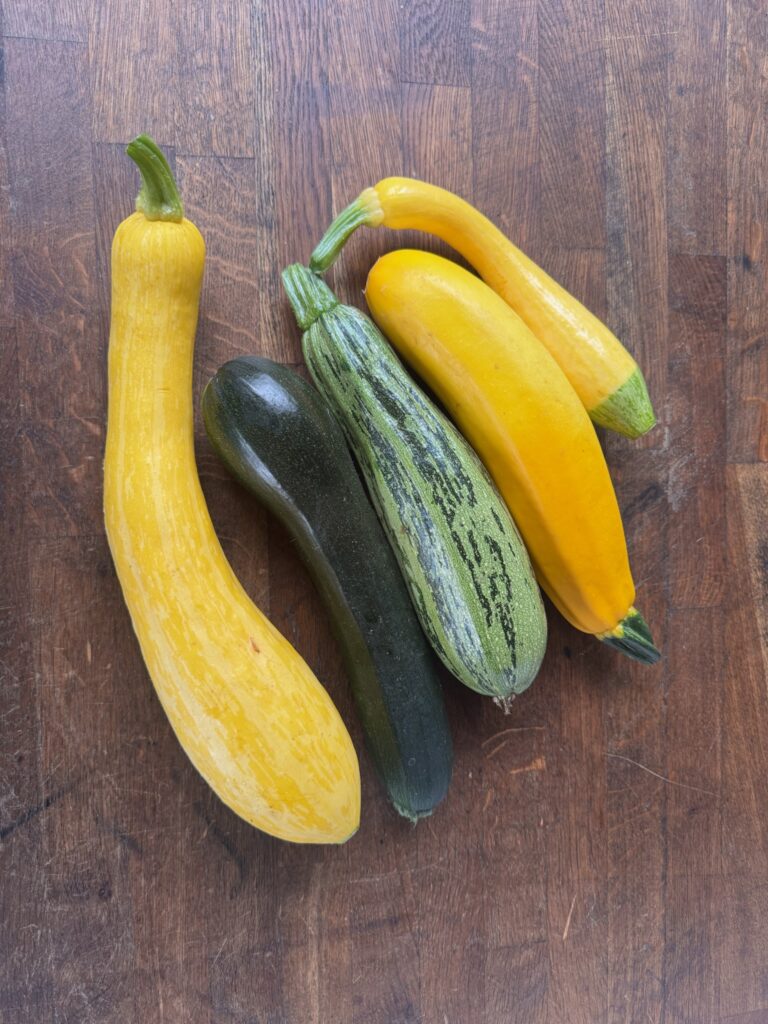
Summer squash refers to a variety of tender, edible gourds that are harvested during the summer months. They typically have a vibrant, yellow or green skin and a mild, slightly sweet flavor. Summer squash comes in various shapes, including elongated, cylindrical zucchini and round or bulbous varieties like pattypan and yellow crookneck squash. The flesh is tender and succulent, with a delicate texture that holds up well in both raw and cooked preparations.
Rinse. Eat raw or cooked.
Handle gently. The skin is thin and fragile. Keep on the counter and use within a week. If you aren't going to use them right away keep in the refrigerator.
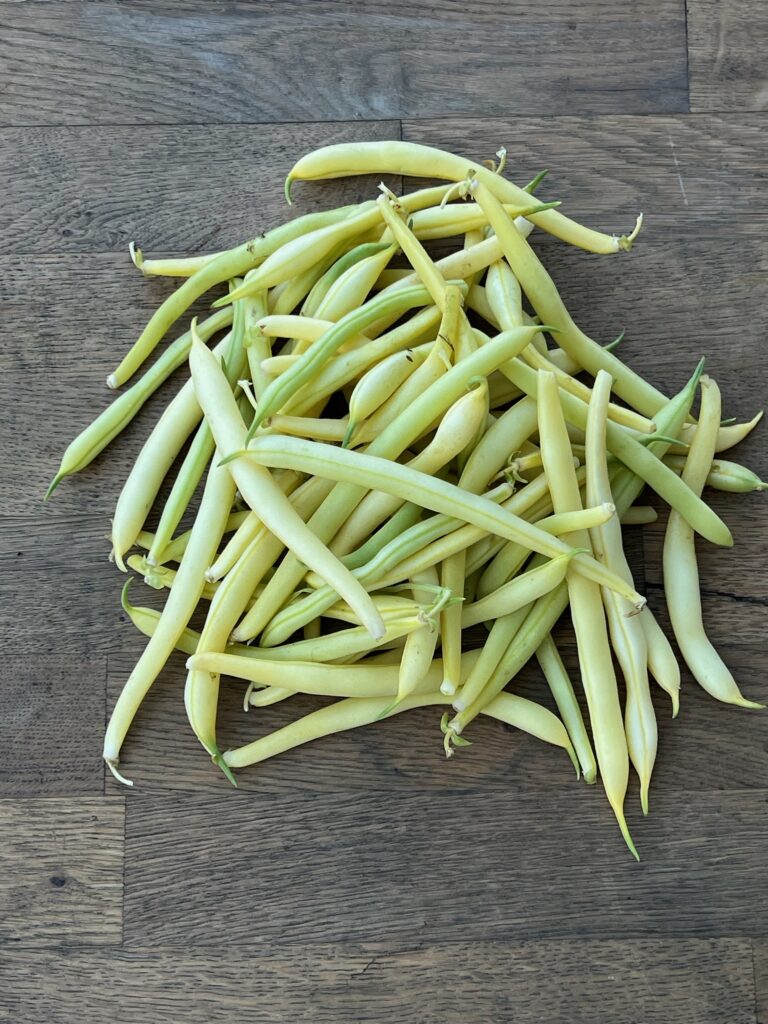
Wax beans, also known as yellow beans or butter beans, are slender, elongated pods that are harvested when young and tender. They have a smooth, waxy texture with a slightly sweeter and milder flavor compared to green beans. Wax beans typically have a bright yellow color, and like their green counterparts, they are widely used in various cuisines across the globe. Whether sautéed, steamed, roasted, or included in salads, stir-fries, or casseroles, wax beans offer a delightful and versatile addition to meals.
Wax beans should be used sooner versus later. Place the unwashed wax beans in a bag or a container lined with a dry paper towel to absorb excess moisture. Leave the bag slightly open or use a container with ventilation to allow for some airflow. Store the wax beans in the refrigerator's crisper drawer, where they will stay fresh for up to a week. It's best to avoid washing the beans until you're ready to use them, as excess moisture can lead to spoilage.
These are stringless beans. That means you only need to remove the stem end to enjoy. Rinse. Eat raw or cooked.
Freezing: Blanch the wax beans by briefly boiling them in water, then transferring them to an ice bath to cool. Drain well and place the blanched beans in freezer-safe bags or containers. Label and date them before placing them in the freezer. Frozen wax beans can be used in various cooked dishes such as soups, stews, and stir-fries.
The table below isn't very mobile friendly, so there's also a Google Sheet and a simple list below with the same information. Use whichever format you prefer. You can even add your own meal ideas and recipes through the Google Sheet!
| Meal Idea | Use This Week’s Produce | Protein Ideas | Carb Ideas | Sauce / Seasoning |
|---|---|---|---|---|
| Stir-Fry | Savoy cabbage, wax beans, summer squash, Red Russian kale | Chicken, tofu, shrimp | Rice, noodles | Tamari, garlic, ginger, lime |
| Soup | Collard greens, Savoy cabbage, corn, wax beans | White beans, shredded chicken, lentils | Crusty bread, potatoes | Bay leaf, thyme, black pepper, parmesan |
| Pasta | Summer squash, Red Russian kale, corn, cucumbers | Italian sausage, chickpeas, grilled chicken | Pasta | Lemon cream sauce, basil, garlic, cracked pepper |
| Grain Bowl | Corn, cucumbers, collard greens, summer squash | Salmon, tofu, black beans | Brown rice, quinoa, farro | Cilantro-lime dressing, cumin, yogurt sauce |
| Salad | Cucumbers, Savoy cabbage, corn, Red Russian kale | Feta, grilled chicken, chickpeas | Pita, crackers, sourdough | Apple cider vinaigrette, dill, mustard |
| Wraps | Collard greens, cucumbers, wax beans, summer squash | Turkey, hummus, chicken | Tortillas, flatbread, pita | Garlic aioli, ranch, herb yogurt sauce |
| Noodle Bowl | Savoy cabbage, wax beans, Red Russian kale, summer squash | Beef, tofu, shrimp | Rice noodles, soba, ramen | Peanut sauce, chili crisp, lime |
| Hash | Corn, collard greens, summer squash, wax beans | Eggs, sausage, black beans | Potatoes, toast | Smoked paprika, garlic, hot sauce |
| Egg Dish | Red Russian kale, corn, summer squash, Savoy cabbage | Eggs, cheddar, bacon | Toast, roasted potatoes | Chives, black pepper, salsa |
| Flatbread | Summer squash, corn, Red Russian kale, cucumbers | Mozzarella, ricotta, chicken | Flatbread, naan, pizza dough | Pesto, garlic oil, balsamic drizzle |