What's in the Box?! Week 5 Summer 2026

July 15, 2026
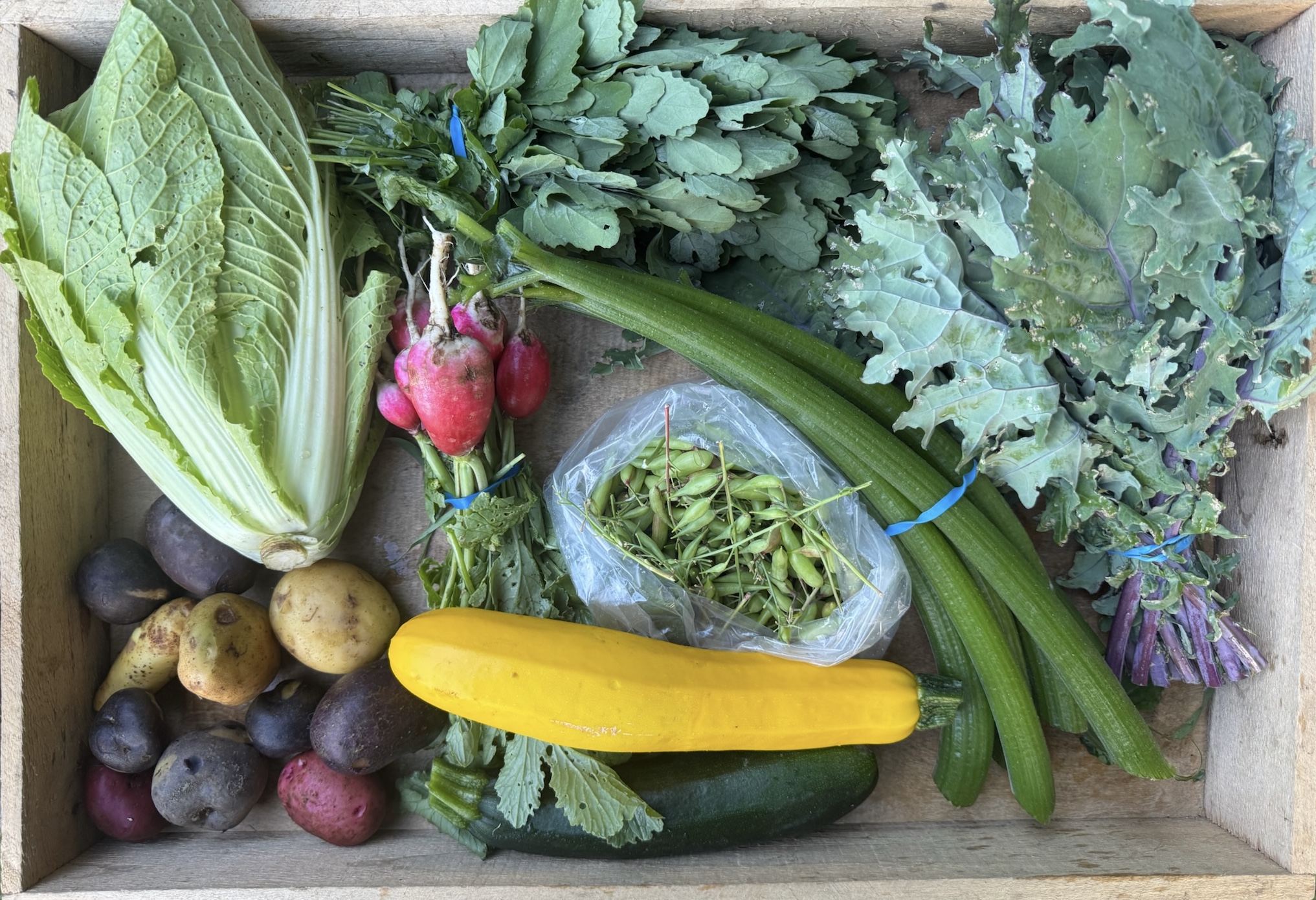
Chinese Cabbage, Lambsquarter, Potatoes, Radish Pods, Radishes, Red Russian Kale, Summer Squash, Squash Stems
  • Chinese Cabbage: Ideal for adding crunch and a mild flavor, great in stir-fries, salads, and soups.
  • Lambsquarter: Mild and slightly earthy with a tender texture similar to spinach. Great raw in salads, blended into smoothies, or lightly sautéed as a tasty side.
  • Potatoes: Earthy and creamy with a comforting flavor. Great roasted, mashed, fried, or added to soups and stews.
  • Radish Pods: Peppery and crunchy like a cross between a radish and a green bean. Snack on raw, add to salads, or stir-fry.
  • Radishes: Add a spicy crunch, versatile in salads, sandwiches, and as garnishes.
  • Red Russian Kale: Sweet and tender with a mild, earthy flavor. Best raw in salads, sautéed, or blended into smoothies.
  • Summer Squash: Sweet and tender, can be grilled, roasted, or sautéed.
  • Squash Stems: Mild and green-tasting with a tender bite when cooked. Best sautéed, stir-fried, or simmered in soups. Remove tough fibers first.

    A Note From Chris

    This week’s weather has been about as perfect as it gets. This is the kind of Oregon summer day that’s just right for sitting under a shade tree and taking a nap in the middle of the afternoon.

    We put up our second cutting of hay this week, and it looks fantastic. Hay is one of those quintessential farm things. It’s basically future food for the sheep, stored away for winter. The fact that we can turn a field of grass into neat little bales still blows my mind every single time. It’s one of those jobs that makes me feel like a kid again.

    The garden is plugging along. Flea beetles have gotten a bit aggressive with the kale, so we’re hoping to get them under control and convince them to leave it alone.

    This will be the last of the Napa cabbage for a while. I planted another round, but it just didn’t take. I’ll keep trying because it’s one of my favorites. Regular green cabbages are on the way as well. They’re growing nicely and just starting to form heads.

    Cucumbers have been a struggle this year, but we’re finally seeing a few showing up. If all goes well, we’re hoping to have cucumbers in your boxes within the next couple of weeks.

    The early potatoes are finally ready! They're one of my favorite harvests because you never really know what you'll find until you dig them up. Every hill feels a little like opening a present.

    And the tomatoes are getting close. Every single tomato plant is covered in little green tomatoes, so now we're just waiting for them to start changing color. It won't be long!
    Chinese Cabbage

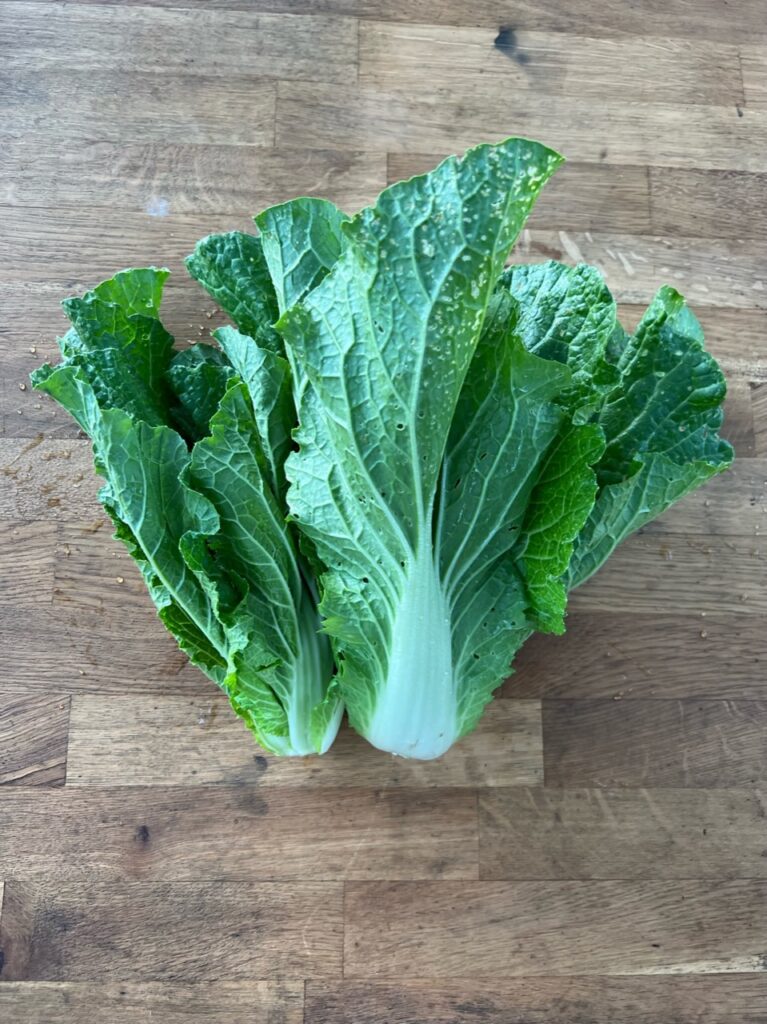
    Chinese cabbage is a leafy vegetable with crisp, green to white leaves. It has a mild and slightly sweet flavor, reminiscent of regular cabbage but milder and more delicate. The leaves are tender and have a pleasant crunch when raw, making them versatile for salads and wraps. When cooked, Chinese cabbage softens and absorbs flavors well, making it a popular choice for stir-fries, soups, and stews.

    Prep

    Rinse. Remove leaves from the base, chop or add whole leaves. Eat raw or cooked. If the leaves start to wilt, you can revive it by soaking the leaves in ice water for a few minutes before patting them dry and using as desired.

    Storing

    Keep the cabbage whole or chop it into smaller pieces if desired. Next, place it in a plastic bag with a paper towel or cloth to maintain moisture while allowing airflow. Alternatively, you can store it in the crisper drawer of your refrigerator. Chinese cabbage can stay fresh for up to a week when stored properly. Avoid washing the cabbage before storing, as moisture can speed up spoilage. Remember to check on it regularly and discard any leaves that show signs of decay.
    How to use:

    • Stir-fries: Chinese cabbage works well in stir-fries. Cut the cabbage into thin strips or bite-sized pieces and stir-fry it with your choice of protein, such as chicken, beef, or tofu, along with other vegetables and seasonings. The cabbage adds a mild, slightly sweet flavor and a pleasant crunch to the dish.
    • Soups and stews: Chinese cabbage is a great addition to soups and stews. Add it to hot broths along with other vegetables, noodles, and proteins. The cabbage will soften slightly while retaining its texture and impart a delicate flavor to the soup.
    • Salads: Chinese cabbage can be used as a base for refreshing salads. Shred or chop the cabbage finely and combine it with other vegetables, such as carrots, cucumbers, and bell peppers. Toss with your favorite dressing and enjoy.
    • Kimchi: Nappa cabbage is normally used but Chinese cabbage is a great ingredient in making kimchi, a traditional Korean fermented side dish. It is typically sliced, salted, and mixed with spices, garlic, ginger, and other ingredients, then left to ferment for a period of time. The resulting kimchi is flavorful and tangy, with a slight heat.
    • Wraps and rolls: Use the large, outer leaves of Chinese cabbage as wraps for filling, you can use rice paper too for a sturdier wrap. Fill the leaves with your choice of fillings, such as grilled chicken, shrimp, or vegetables, and roll them up tightly.

    Recipes

    Lambsquarter

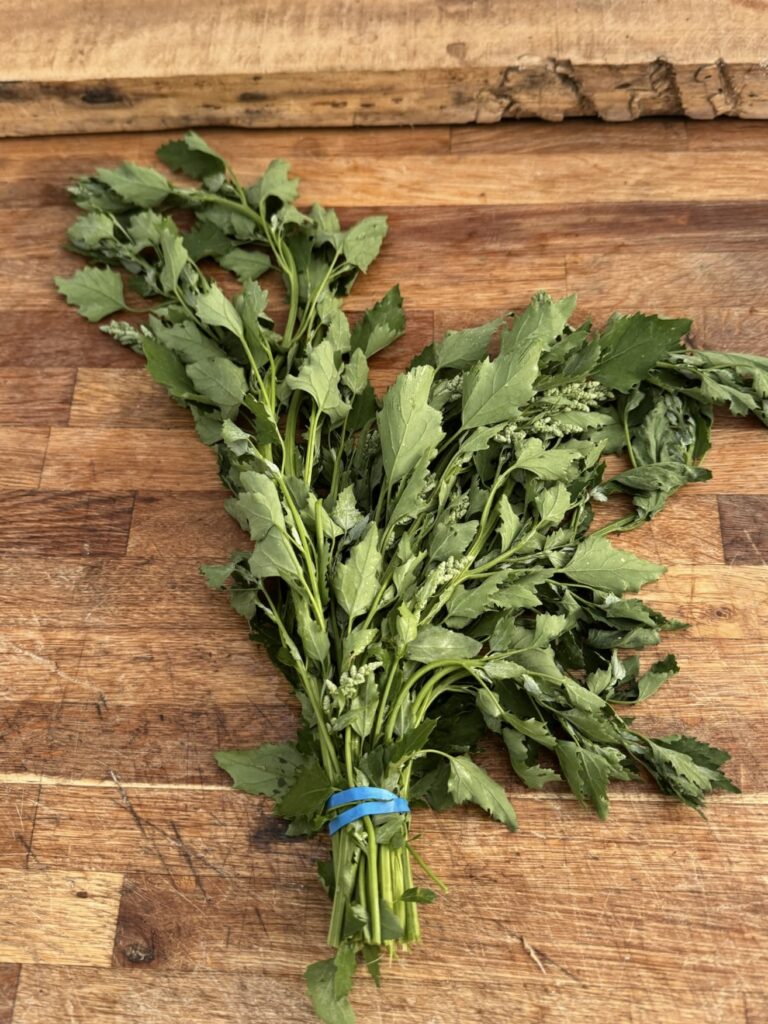
    Lambsquarter, also known as wild spinach or goosefoot, is a leafy green plant related to spinach and beets. It has diamond-shaped leaves that often have a powdery coating and a mild, spinach-like flavor with a hint of earthiness. This versatile green can be used in salads, steamed, sautéed, or added to soups and stews. Packed with vitamins A, C, and K, as well as calcium and iron.

    Prep

    Rinse. Remove leaves from the steam, chop or add whole leaves. Eat raw or cooked. If the leaves starts to wilt, you can revive by soaking the leaves in ice water for a few minutes before patting them dry and using as desired.

    Storing

    It's best to use it within a few days for optimal flavor. To store it, place unwashed leaves in a bag or a container lined with a dry paper towel to absorb excess moisture. Seal the bag or container loosely to allow for some airflow. Store the bag in the refrigerator's crisper drawer, where it will stay fresh for a few days.
    How to Use

    • Salads: Add fresh lambsquarter leaves to salads for a mild, spinach-like flavor and a nutritional boost.
    • Smoothies: Blend lambsquarter leaves into smoothies for added vitamins and minerals.
    • Sautéed: Sauté lambsquarter with garlic and olive oil for a quick and nutritious side dish.
    • Soups and Stews: Stir chopped lambsquarter into soups and stews for extra flavor and nutrients.
    • Egg Dishes: Mix lambsquarter leaves into omelets, frittatas, or scrambled eggs.
    • Pesto: Use lambsquarter leaves as a base for a unique and tasty pesto.
    • Stuffed Dishes: Incorporate lambsquarter into stuffed peppers, mushrooms, or zucchini for added greens and flavor.
    • Stir-Fries: Add lambsquarter to stir-fries along with your favorite vegetables and proteins.
    • Baked Goods: Mix finely chopped lambsquarter into savory muffins or bread for an extra nutritional punch.
    • Casseroles: Layer lambsquarter into casseroles or lasagnas for a healthy and flavorful addition.

    Recipes

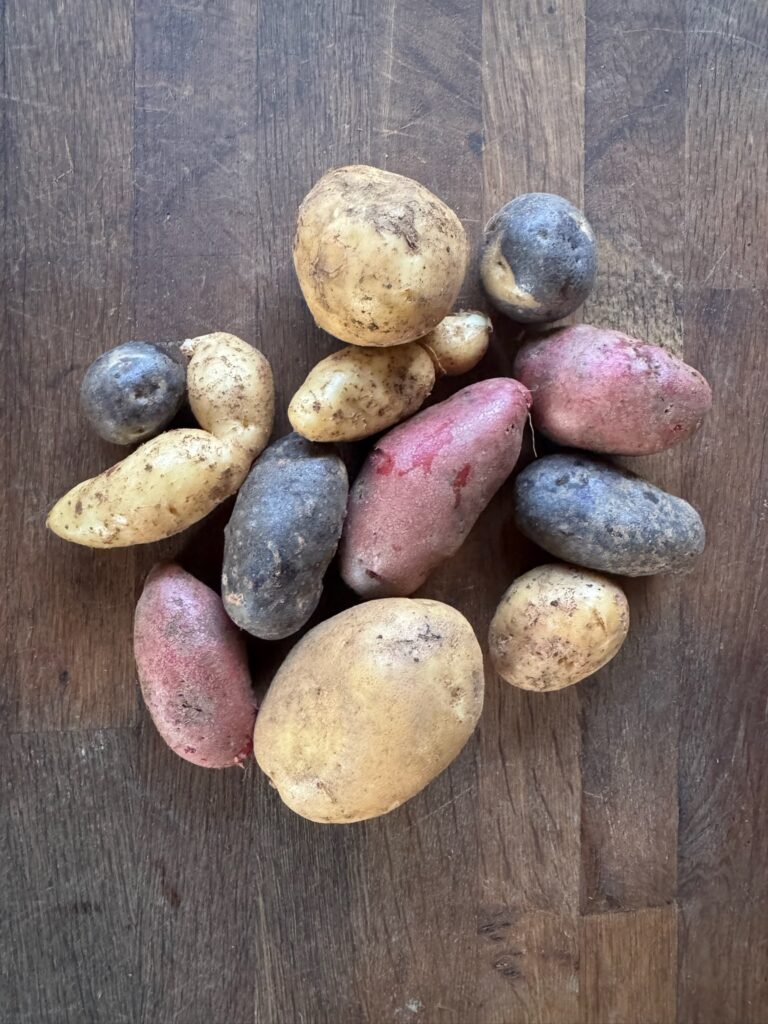
    Potatoes

    Potatoes are a versatile and hearty vegetable, known for their starchy, creamy texture and mild, earthy flavor. They can be boiled, roasted, mashed, or fried, and they pair well with a wide range of dishes. Their sturdy skins are often edible, and they hold their shape well in soups, stews, and salads. As Samwise Gamgee said in The Lord of the Rings, “Po-ta-toes! Boil ’em, mash ’em, stick ’em in a stew.” Potatoes have long been a staple in kitchens around the world, cherished for their simplicity, nutrition, and comfort.

    Prep

    Scrub and cooked.

    Storage

    Store potatoes in a cool, dark, and well-ventilated place, like a pantry. Avoid the fridge, as cold temperatures can alter their texture.
    How to use:

    • Roasted: Toss potatoes with olive oil, salt, and herbs, then roast until crispy and golden for a delicious side dish.
    • Boiled: Boil potatoes until tender and toss with butter, garlic, and fresh herbs for a simple, comforting dish.
    • Salads: Boiled or roasted potatoes work wonderfully in potato salads, adding a creamy texture and unique flavor.
    • Smashed: Boil, lightly smash, then roast or pan-fry for crispy edges and a fluffy interior.
    • Grilled: Slice potatoes in half, brush with oil, and grill for a smoky, caramelized flavor—perfect as a summer side.

    Recipes

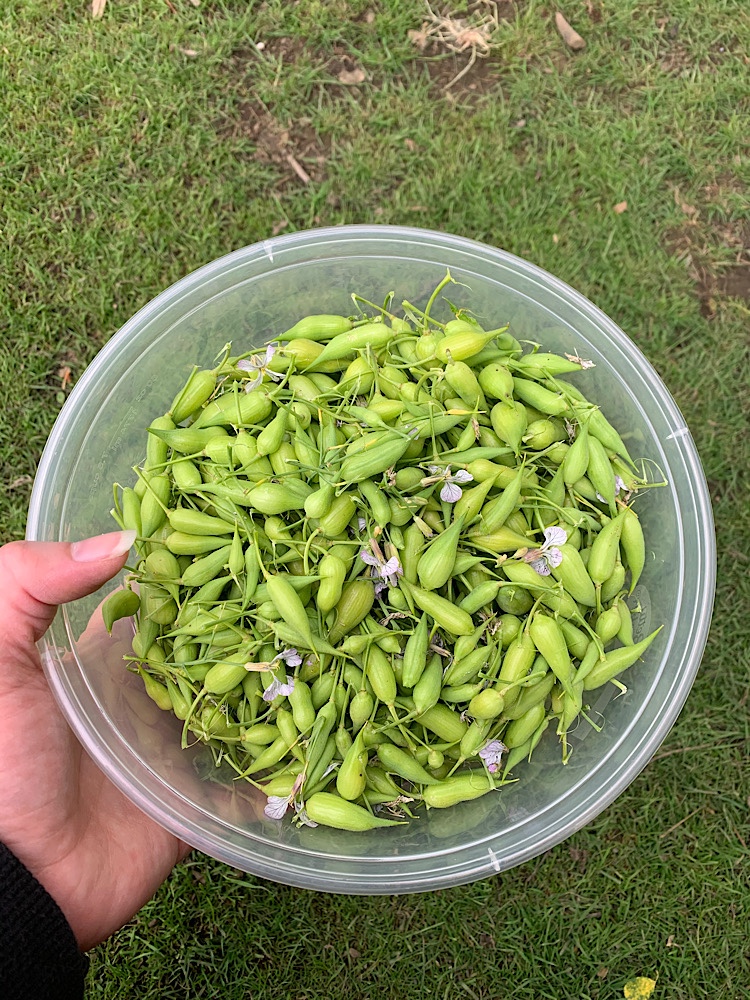
    Radish Pods

    Radish pods are one of my FAVORTIE treats from the garden that you can't find anywhere else.

    Radish pods, also known as radish seed pods, are the edible seed pods that form after radish plants flower. These pods have a slender, elongated shape and a crisp texture, similar to snap peas or green beans. They have a mildly spicy and peppery flavor, reminiscent of radish roots but milder in intensity. Radish pods can be enjoyed raw, or lightly cooked in stir-fries, sautés, they are less spicey after cooking.

    Storing

    Best to keep refrigerated.

    Prep

    Rinse. The stems should be removed. Eat raw or cooked.
    Preserving

    • Pickling: To make refrigerator pickled radish pods, start by washing and trimming the radish pods to remove any stems or damaged parts. In a saucepan, combine equal parts vinegar and water along with sugar and salt, adjusting the amounts based on your taste preference. Bring the mixture to a boil, stirring until the sugar and salt dissolve. Remove the brine from heat and let it cool slightly. Place the radish pods in clean, sterilized jars, along with desired herbs, spices, or garlic cloves for added flavor. Pour the cooled brine over the radish pods, ensuring they are completely submerged. Seal the jars and place them in the refrigerator for at least 24 hours to allow the flavors to develop. The pickled radish pods can be enjoyed within a few days and will keep in the refrigerator for up to a few weeks.
    • Freezing: Blanch the radish pods in boiling water for a couple of minutes, then quickly transfer them to an ice bath to cool. Drain well and pat dry. Pack the blanched radish pods into freezer bags or containers, removing as much air as possible. Label and date the packages, then store them in the freezer for up to several months. Frozen radish pods are suitable for adding to stir-fries, soups, stews, or other cooked dishes.

    How to use:

    • Raw in salads: Slice them thinly and toss them with other vegetables, greens, and a flavorful dressing.
    • Pickled: As mentioned earlier, radish pods can be pickled. Use them as a condiment or a side dish to complement sandwiches, wraps, or charcuterie boards. The pickled pods add a zesty bite and can also be enjoyed on their own as a snack.
    • Stir-fries and sautés: Include radish pods in stir-fries or sautés for a quick and healthy addition. Heat a little oil in a pan, add the pods along with other vegetables, and cook them over high heat until they are slightly tender yet still crisp. Season with soy sauce, garlic, ginger, or other desired spices for added flavor.
    • Tempura or fritters: Dip radish pods in a light batter and deep-fry them to create crispy tempura or fritters. The hot oil will bring out their natural flavors and provide a delightful crunch. Serve them as an appetizer or snack with a dipping sauce of your choice.
    • Soups and stews: Add radish pods to vegetable soups or stews for an extra layer of texture and flavor. Simmer them with other vegetables, broth, and seasonings to infuse the dish with their unique taste.

    Recipes

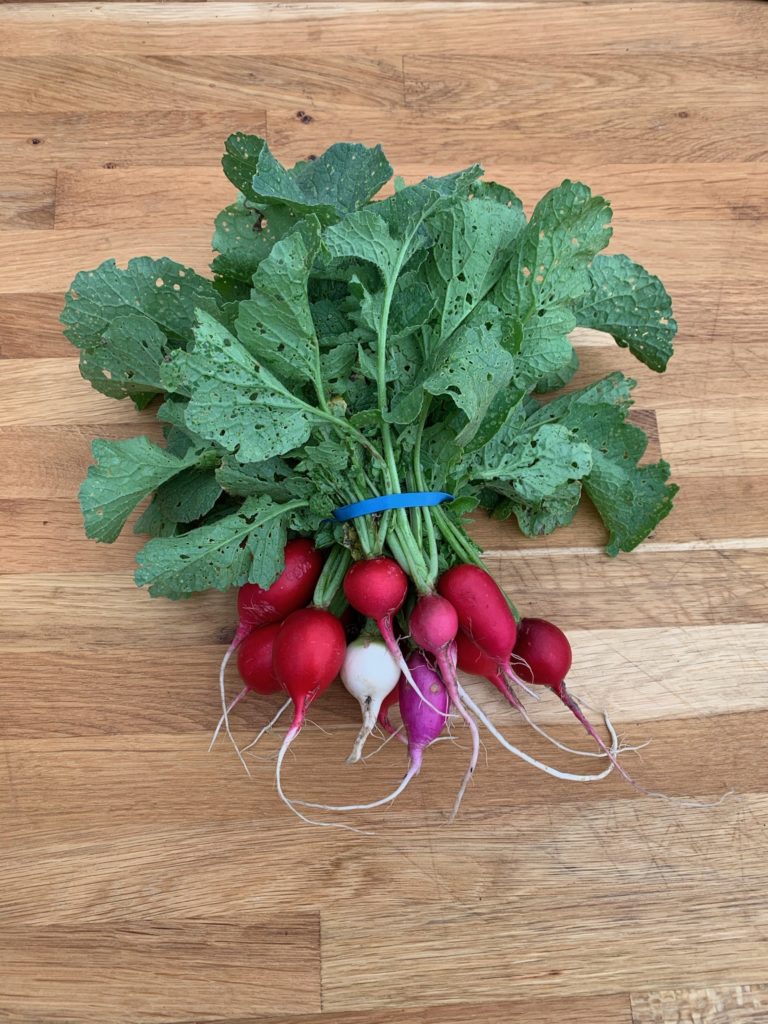
    Radishes

    Radishes are small root vegetables known for their crisp texture and slightly peppery flavor. The flesh of radishes is typically firm, crunchy, and juicy, while the skin can range from smooth to slightly rough. They can be enjoyed raw as a snack, sliced and added to vegetable platters, or used as a garnish. Radishes also offer versatility in cooking, as they can be roasted, sautéed, or pickled to enhance their natural flavors. Rinse. Eat raw or cooked.

    Storing

    Remove greens for radishes. The leaves will continue to draw moisture from the root. Store the radishes and greens separately.

    It's best to use the greens within a few days for optimal flavor. To store the greens, place unwashed leaves in a container lined with a dry paper towel to absorb excess moisture. Seal the container loosely to allow for some airflow. Store in the fridge. Here it will stay fresh for a few days.

    Radish roots can keep for several weeks, sometimes even months, when stored in the fridge.

    Prep

    Rinse. The whole radish is edible, leaves and root. Eat raw or cooked. If the leaves start to wilt, you can revive them by soaking in ice water for a few minutes before patting them dry and using as desired.
    How to use:

    • Sliced radishes are a great addition to salads for a crisp and refreshing crunch.
    • Radish chips can be made by thinly slicing radishes, tossing them with a little bit of oil, and baking them in the oven until crispy.
    • Pickled radishes can be used to add a tangy and slightly sweet flavor to sandwiches, tacos, or bowls.
    • Radishes can be roasted or grilled to bring out their natural sweetness.
    • Radish greens can be used in salads, sautéed as a side dish, or blended into a pesto.
    • Radishes can be grated and added to sandwiches, wraps, or tacos for an extra kick of flavor and texture.
    • Radishes can be used as a topping for avocado toast or as a garnish for soups and stews.
    • Radish salsa can be made by combining diced radishes, tomatoes, onions, jalapenos, and lime juice for a fresh and flavorful dip.
    • Radish can be added to sandwiches, salads.
    • Radishes can also be used in stir-fries, roasted vegetable medleys, or as a side dish sautéed with garlic and butter.

    Recipes

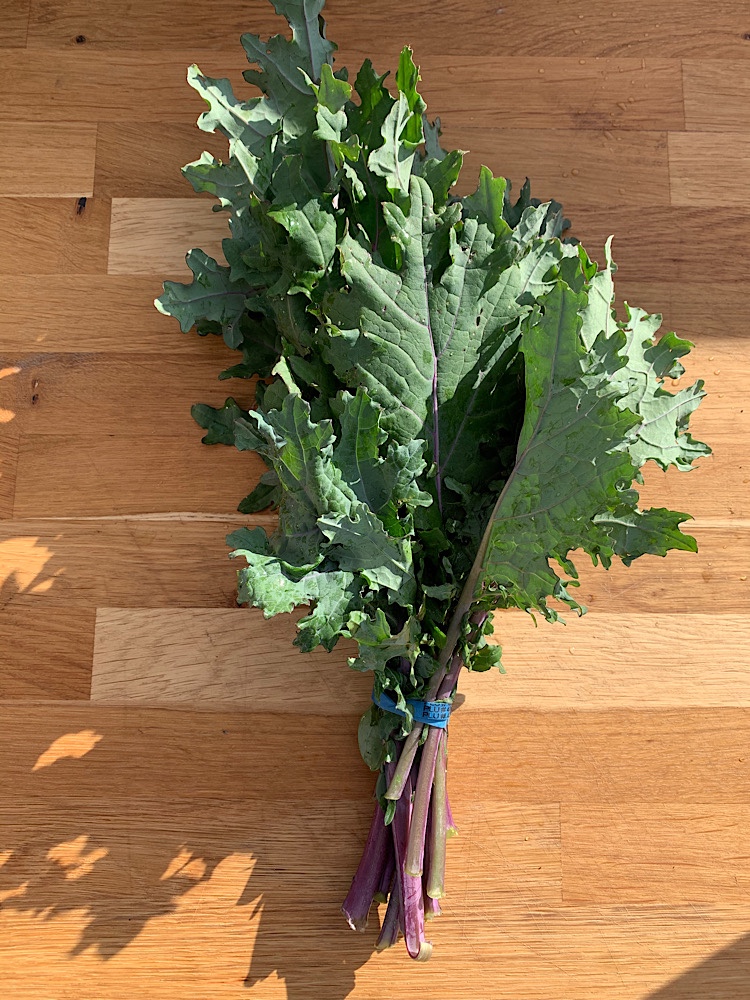
    Red Russian Kale

    Kale, a leafy green vegetable renowned for its robust and earthy flavor, belongs to the Brassica family and stands as a nutritional powerhouse. Its slightly bitter, peppery taste lends itself well to a multitude of culinary applications, from hearty salads and smoothies to sautés and soups.

    Prep

    Rinse. Remove from stems because leaves cook faster. Chop or use whole leaves. Eat raw or cooked. If the kale starts to wilt, you can revive it by soaking the leaves in ice water for a few minutes before patting them dry and using as desired.

    Storing

    To store kale, place unwashed leaves in a container lined with a dry paper towel to absorb excess moisture. Seal the bag or container loosely to allow for some airflow. Store the bag in the refrigerator's crisper drawer, where it will stay fresh for a few days.
    How to use:

    • In salads: Kale is a sturdy green that holds up well in salads. Try massaging the kale with some olive oil and lemon juice to make it more tender.
    • In smoothies: Kale adds a nutritious boost to smoothies. Try blending kale with frozen fruit and yogurt for a delicious and healthy breakfast.
    • In soups: Kale is a great addition to soups. Add it to vegetable soup or use it in place of spinach in a classic Italian minestrone.
    • In stir-fries: Kale works well in stir-fries. Add it to your favorite stir-fry recipe along with other vegetables and a protein.
    • In pasta dishes: Kale can be added to pasta dishes for a nutritious twist. Try tossing it with spaghetti, olive oil, and garlic for a simple yet satisfying meal.
    • In sandwiches and wraps: Use kale leaves as a healthy alternative to lettuce in sandwiches and wraps. They add a crunchy texture and a boost of nutrition.
    • In pesto: Use kale instead of basil in a classic pesto recipe. It adds a unique flavor and packs in extra nutrients.
    • In chips: Bake kale leaves in the oven with a little olive oil and salt for a healthy and delicious snack.

    Recipes

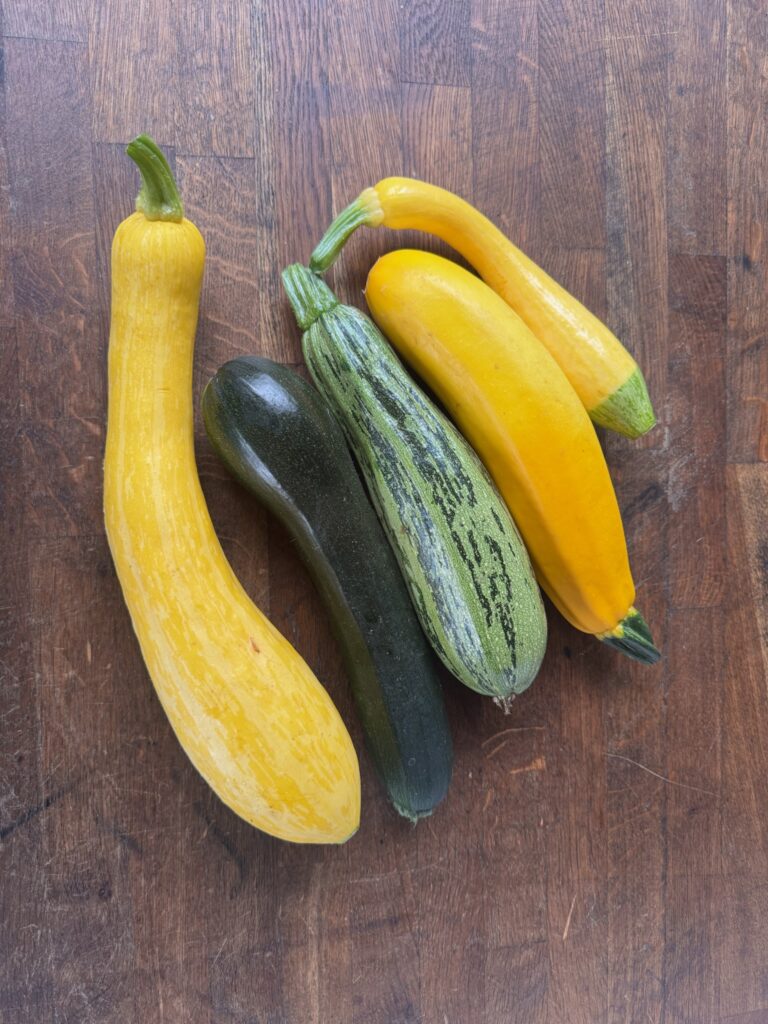
    Summer Squash

    Summer squash refers to a variety of tender, edible gourds that are harvested during the summer months. They typically have a vibrant, yellow or green skin and a mild, slightly sweet flavor. Summer squash comes in various shapes, including elongated, cylindrical zucchini and round or bulbous varieties like pattypan and yellow crookneck squash. The flesh is tender and succulent, with a delicate texture that holds up well in both raw and cooked preparations.

    Prep

    Rinse. Eat raw or cooked.

    Storing

    Handle gently. The skin is thin and fragile. Keep on the counter and use within a week. If you aren't going to use them right away keep in the refrigerator.
    Preserving

    • Freezing: Wash and slice the squash into desired shapes, such as rounds or cubes. Blanch the slices in boiling water for a couple of minutes, then quickly transfer them to an ice bath to cool. Drain well and pat dry. Arrange the slices in a single layer on a baking sheet and freeze until firm. Transfer the frozen slices to airtight freezer bags or containers, removing as much air as possible. Label and date the packages, then store them in the freezer for up to 8-10 months.
    • Dehydrating: Slice the squash into thin rounds or strips. Arrange the slices on dehydrator trays or a baking sheet lined with parchment paper. Set the dehydrator to the appropriate temperature for vegetables or use the oven on its lowest setting. Dry the slices until they are crisp and brittle. Store the dehydrated squash in airtight containers or resealable bags. Rehydrate the slices in water or broth before using them in recipes.

    How to use:

    • Grilling: Slice the squash into thick rounds or lengthwise strips and brush them with olive oil and seasonings. Grill them over medium heat until tender and slightly charred.
    • Sautéing: Cut the squash into bite-sized pieces or slices and sauté them in a little olive oil or butter until they are golden brown and tender. You can add herbs, garlic, or other seasonings for extra flavor. Sautéed summer squash can be enjoyed as a side dish, added to pasta, or used as a topping for pizzas.
    • Roasting: Toss sliced summer squash with olive oil, salt, and pepper, then spread them in a single layer on a baking sheet. Roast in a preheated oven at around 425°F (220°C) for 15-20 minutes or until they are tender and caramelized. Roasted summer squash is a tasty addition to grain bowls, salads, or as a side dish.
    • Raw in salads: Thinly slice or julienne summer squash and add it to salads for a fresh and crisp texture.
    • Stuffed squash: Hollow out larger summer squash varieties like zucchini or pattypan and fill them with a stuffing of your choice, such as cooked grains, cheese, herbs, or ground meat. Bake until the squash is tender and the filling is cooked through.
    • Soups and stews: Add sliced or cubed summer squash to soups, stews, or chili for added flavor and texture. It cooks relatively quickly and absorbs the flavors of the other ingredients.
    • Spiralized: use a spiralizer to make squash noodles. You can simply sauté the squash noodles in a bit of olive oil or butter until they are tender but still retain some crunch. Top them with your favorite pasta sauce, such as marinara, pesto, or alfredo, and garnish with grated cheese, fresh herbs, or toasted nuts. You can also use spiralized summer squash in salads, stir-fries, or cold noodle dishes.
    • Sauce base: Summer squash can be used to create a delicious and creamy sauce that pairs well with pasta, grains, or roasted vegetables. Start by slicing the summer squash into small cubes or rounds. Steam or sauté until it becomes tender. Transfer the cooked squash to a blender or food processor and blend it until smooth. Add a splash of broth or dairy of choice, a squeeze of lemon juice, and season with salt, pepper, and herbs like basil or thyme to enhance the flavor. You can also incorporate garlic, onion, or Parmesan cheese for additional depth. Adjust the consistency by adding more broth if needed. Toss the sauce with cooked pasta or drizzle it over roasted vegetables.

    Recipes

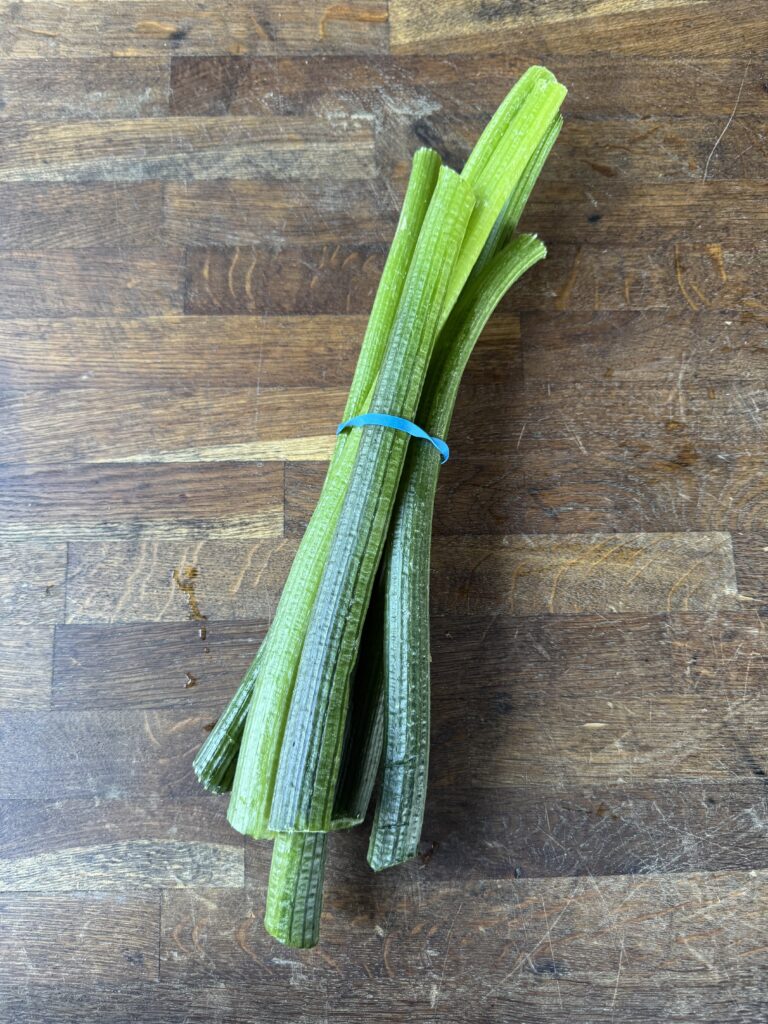
    Squash Stems

    Squash stems are the hollow stalks of the squash plant, often overlooked but entirely edible when properly prepared. They have a mild, slightly sweet flavor and a tender-crisp texture when cooked. The outer layer can sometimes be fibrous or spiny, so peeling or scraping it away is recommended before cooking. Once prepped, squash stems can be a flavorful addition to stir-fries, soups, or sautés, especially when paired with bold ingredients like garlic, onions, tomatoes, or coconut milk. Their sturdy structure holds up well in both quick and slow cooking methods, making them a versatile way to use more of the squash plant.

    Prep

    Rinse squash stems thoroughly to remove dirt and any small spines. Trim off the ends and peel or scrape away any tough or fibrous outer skin. Cut into bite-sized pieces. For a more tender texture, you can blanch them briefly before sautéing, stir-frying, or simmering.

    Storing

    Wrap unwashed squash stems in a damp paper towel and place them in a loosely sealed plastic bag or container. Store in the refrigerator's crisper drawer and use within a couple of days for best texture and flavor.

    How to use:

    • Fritters or Patties: Finely chop tender squash stems and mix with grated vegetables, herbs, and a binder like egg and flour. Pan-fry into crispy fritters or savory patties.
    • Pasta or Noodle Dishes: Sauté chopped squash stems and toss them into pasta dishes, especially ones with light sauces like garlic and olive oil, lemon butter, or tomato-based sauces.
    • Rice or Grain Bowls: Add cooked squash stems to rice, quinoa, or barley bowls for texture and mild green flavor. They pair well with roasted veggies, beans, and vinaigrettes.
    • Egg Dishes: Stir chopped, sautéed stems into scrambled eggs, omelets, or frittatas for an earthy green bite.
    • Pickled: For a tangy twist, lightly pickle blanched squash stems in vinegar, sugar, and spices. This makes a flavorful topping for rice bowls, tacos, or sandwiches.
    • Juiced: *Suggested by a CSA member* Run peeled stems through a juicer for a refreshing, lightly earthy drink. Optionally, add cucumber, citrus or apple for a bright drink.

    Meal Ideas

    The table below isn't very mobile friendly, so there's also a Google Sheet and a simple list below with the same information. Use whichever format you prefer. You can even add your own meal ideas and recipes through the Google Sheet!

    • Stir-Fry
      • Produce: Chinese cabbage, summer squash, squash stems, radish pods
      • Protein: chicken, tofu, shrimp
      • Carb: rice, noodles
      • Sauce/Seasoning: soy sauce, ginger, garlic, rice vinegar
    • Soup
      • Produce: Chinese cabbage, lambsquarter, red Russian kale, potatoes
      • Protein: white beans, chicken, lentils
      • Carb: bread, crackers
      • Sauce/Seasoning: oregano, thyme, black pepper, parmesan
    • Pasta
      • Produce: Red Russian kale, summer squash, squash stems, radishes
      • Protein: Italian sausage, chicken, cannellini beans
      • Carb: pasta
      • Sauce/Seasoning: olive oil, garlic, lemon, parmesan
    • Grain Bowl
      • Produce: potatoes, lambsquarter, radish pods, summer squash
      • Protein: salmon, tofu, chickpeas
      • Carb: rice, quinoa, farro
      • Sauce/Seasoning: tahini, lemon, cumin, parsley
    • Wraps
      • Produce: Chinese cabbage, red Russian kale, radishes, summer squash
      • Protein: turkey, chicken, black beans
      • Carb: tortillas, pita
      • Sauce/Seasoning: hummus, ranch, yogurt sauce
    • Noodle Bowl
      • Produce: Chinese cabbage, radish pods, squash stems, summer squash
      • Protein: beef, shrimp, tofu
      • Carb: rice noodles, soba
      • Sauce/Seasoning: peanut sauce, lime, garlic, chili sauce
    • Hash
      • Produce: potatoes, red Russian kale, squash stems, radishes
      • Protein: eggs, sausage, black beans
      • Carb: potatoes
      • Sauce/Seasoning: smoked paprika, garlic powder, hot sauce
    • Egg Dish
      • Produce: lambsquarter, Chinese cabbage, summer squash, radish pods
      • Protein: eggs, feta, bacon
      • Carb: toast, roasted potatoes
      • Sauce/Seasoning: dill, lemon, black pepper, feta
    • Curry
      • Produce: Chinese cabbage, potatoes, red Russian kale, summer squash
      • Protein: chickpeas, chicken, tofu
      • Carb: jasmine rice, naan
      • Sauce/Seasoning: coconut milk, curry paste, turmeric, lime
    • Flatbread
      • Produce: summer squash, red Russian kale, radishes, lambsquarter
      • Protein: mozzarella, chicken, ricotta
      • Carb: flatbread, naan
      • Sauce/Seasoning: pesto, garlic oil, balsamic glaze
    Meal IdeaUse This Week’s ProduceProtein IdeasCarb IdeasSauce / Seasoning
    Stir-FryChinese cabbage, summer squash, squash stems, radish podsChicken, tofu, shrimpRice, noodlesSoy sauce, ginger, garlic, rice vinegar
    SoupChinese cabbage, lambsquarter, red Russian kale, potatoesWhite beans, chicken, lentilsBread, crackersOregano, thyme, black pepper, parmesan
    PastaRed Russian kale, summer squash, squash stems, radishesItalian sausage, chicken, cannellini beansPastaOlive oil, garlic, lemon, parmesan
    Grain BowlPotatoes, lambsquarter, radish pods, summer squashSalmon, tofu, chickpeasRice, quinoa, farroTahini, lemon, cumin, parsley
    WrapsChinese cabbage, red Russian kale, radishes, summer squashTurkey, chicken, black beansTortillas, pitaHummus, ranch, yogurt sauce
    Noodle BowlChinese cabbage, radish pods, squash stems, summer squashBeef, shrimp, tofuRice noodles, sobaPeanut sauce, lime, garlic, chili sauce
    HashPotatoes, red Russian kale, squash stems, radishesEggs, sausage, black beansPotatoesSmoked paprika, garlic powder, hot sauce
    Egg DishLambsquarter, Chinese cabbage, summer squash, radish podsEggs, feta, baconToast, roasted potatoesDill, lemon, black pepper, feta
    CurryChinese cabbage, potatoes, red Russian kale, summer squashChickpeas, chicken, tofuJasmine rice, naanCoconut milk, curry paste, turmeric, lime
    FlatbreadSummer squash, red Russian kale, radishes, lambsquarterMozzarella, chicken, ricottaFlatbread, naanPesto, garlic oil, balsamic glaze
  • linkedin facebook pinterest youtube rss twitter instagram facebook-blank rss-blank linkedin-blank pinterest youtube twitter instagram