As I sit in the field writing this, it’s currently about 55 degrees. Apparently summer got worn out from all the early heat, took a nap, and let fall take over for a while.
It has been crazy cold and wet. Two weeks ago we were dealing with record-breaking heat, and now we’re back in raincoats. This is exactly what makes farming hard: the weather keeps changing the rules.
The good news is that it was perfect weather for weeding in the hoophouse. Sarah got the peppers dug out of the weeds, and I managed to get all 300 tomato plants pruned and trellised. They are getting close to 3 to 4 feet tall now, and we already have a ton of green tomatoes. I’m hopeful we’ll have ripe tomatoes before the end of July.
The summer squash is struggling a bit to get started in this weird weather too, but don’t worry. Soon there will be squash the size of baseball bats.
Weeds are still the word of the week. It feels like every bed is asking for attention at once, but we are slowly finding the crops again and making progress one row at a time.
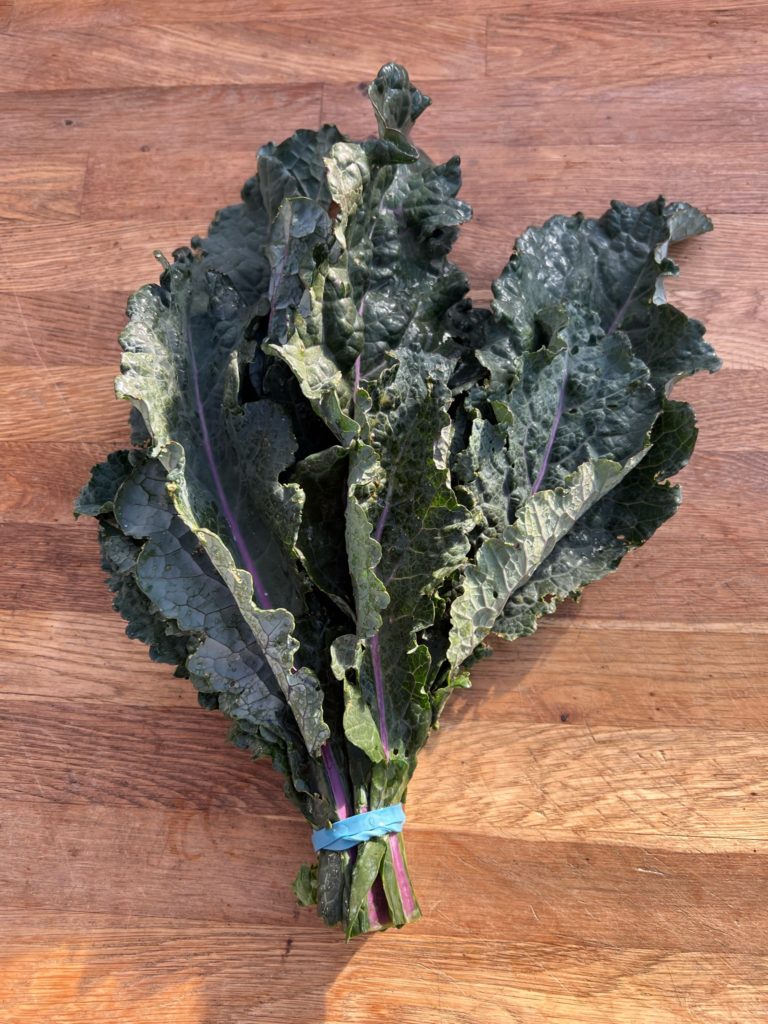
Black Magic kale is a dark blue-green, lacinato-type kale, also known as dinosaur kale or Tuscan kale. It has long, narrow, textured leaves with a hearty but tender bite. Black Magic is usually milder, slightly sweeter, and less bitter, making it useful both raw and cooked. It works well in salads, soups, sautés, pasta dishes, smoothies, and kale chips.
Rinse. Remove from stems because leaves cook faster. Chop or use whole leaves. Eat raw or cooked. If the kale starts to wilt, you can revive it by soaking the leaves in ice water for a few minutes before patting them dry and using as desired.
To store kale, place unwashed leaves in a perforated plastic bag or a container lined with a dry paper towel to absorb excess moisture. Seal the bag or container loosely to allow for some airflow. Store the bag in the refrigerator's crisper drawer, where it will stay fresh for a few days.
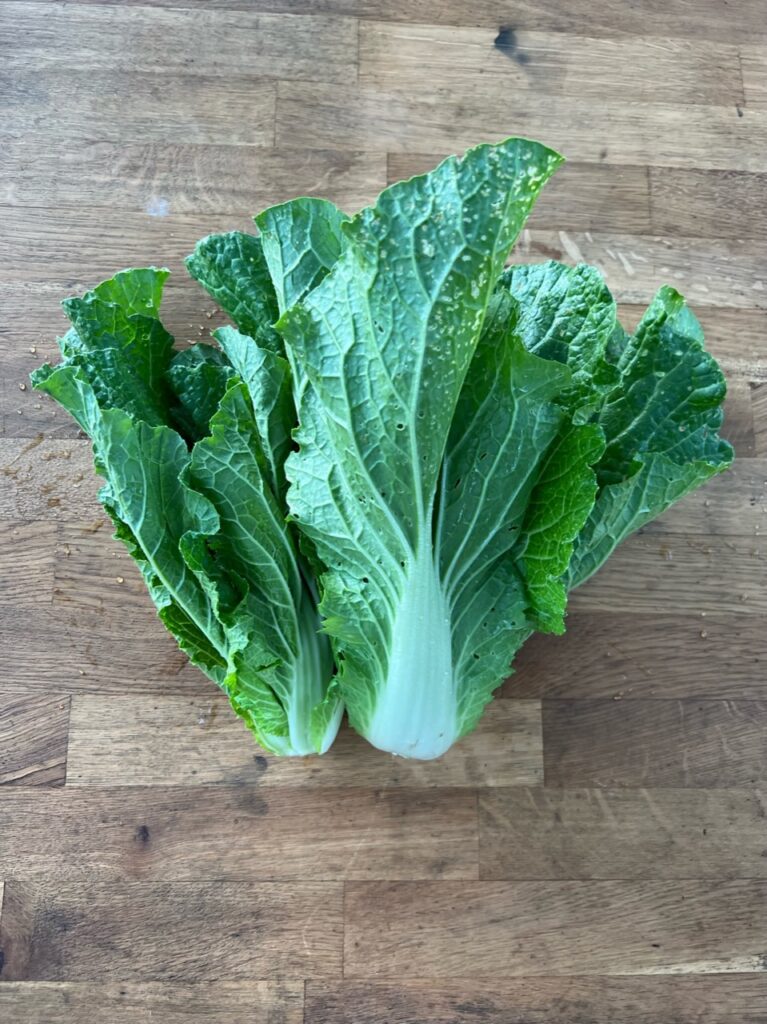
Chinese cabbage is a leafy vegetable with crisp, green to white leaves. It has a mild and slightly sweet flavor, reminiscent of regular cabbage but milder and more delicate. The leaves are tender and have a pleasant crunch when raw, making them versatile for salads and wraps. When cooked, Chinese cabbage softens and absorbs flavors well, making it a popular choice for stir-fries, soups, and stews.
Rinse. Remove leaves from the base, chop or add whole leaves. Eat raw or cooked. If the leaves start to wilt, you can revive it by soaking the leaves in ice water for a few minutes before patting them dry and using as desired.
Keep the cabbage whole or chop it into smaller pieces if desired. Next, place it in a plastic bag with a paper towel or cloth to maintain moisture while allowing airflow. Alternatively, you can store it in the crisper drawer of your refrigerator. Chinese cabbage can stay fresh for up to a week when stored properly. Avoid washing the cabbage before storing, as moisture can speed up spoilage. Remember to check on it regularly and discard any leaves that show signs of decay.
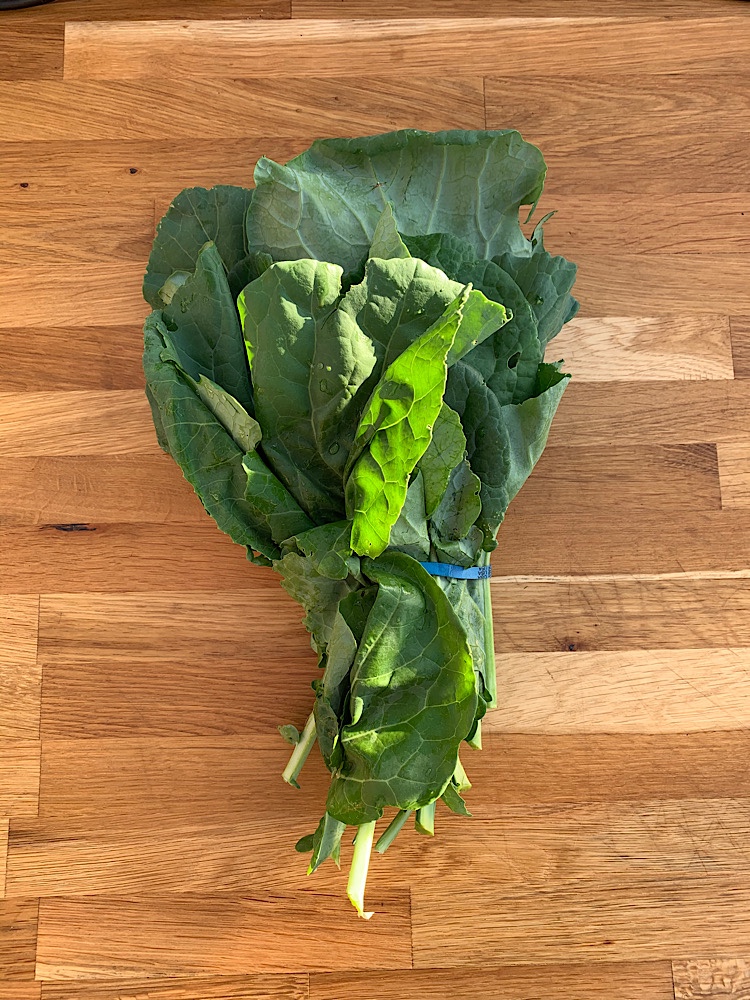
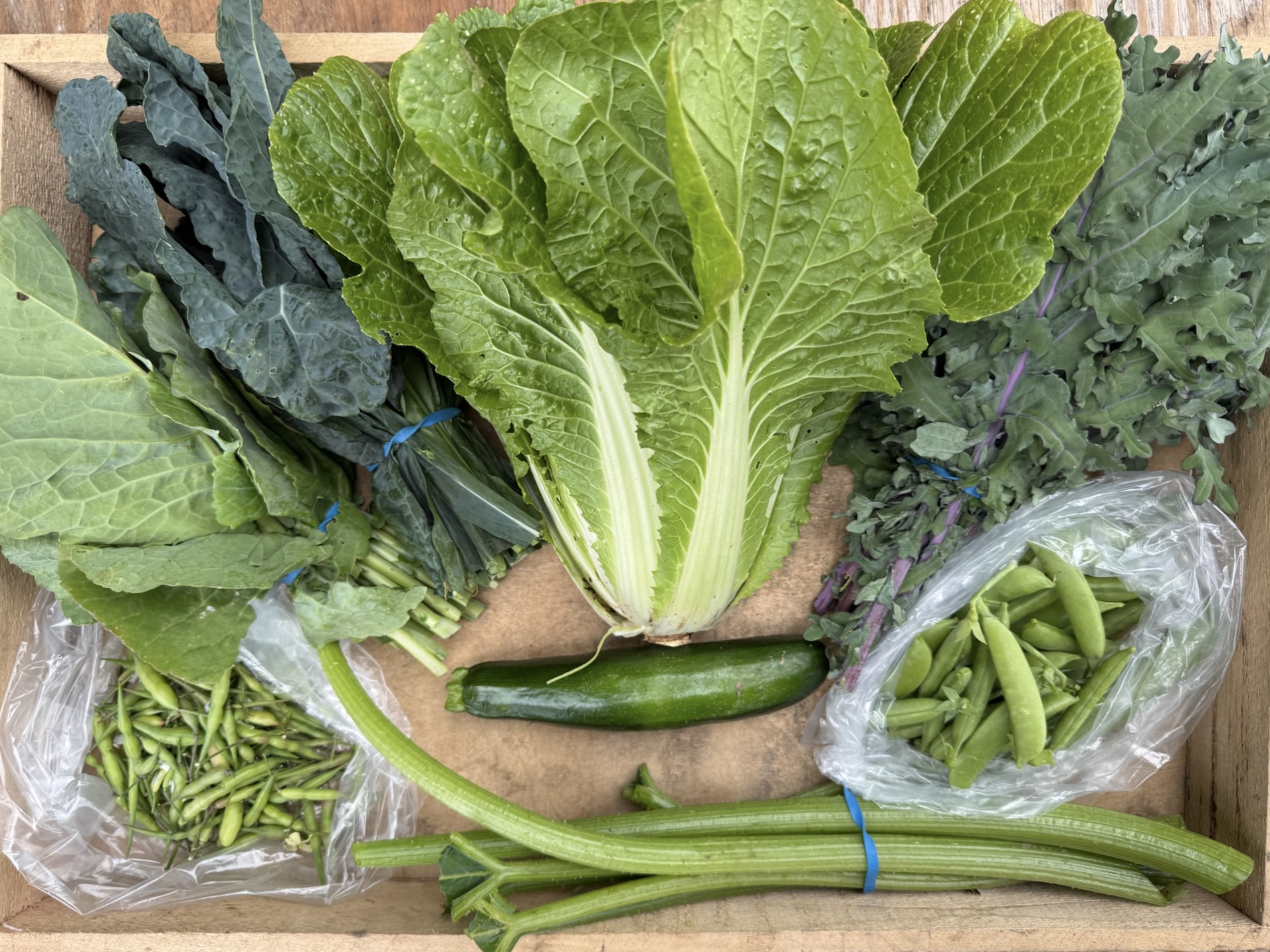
Collards are in the same family as cabbage, broccoli and cauliflower. A bitter green.
Rinse. Eat raw or cooked. Stems take longer to cook. I like to remove them and cook longer than leaves.
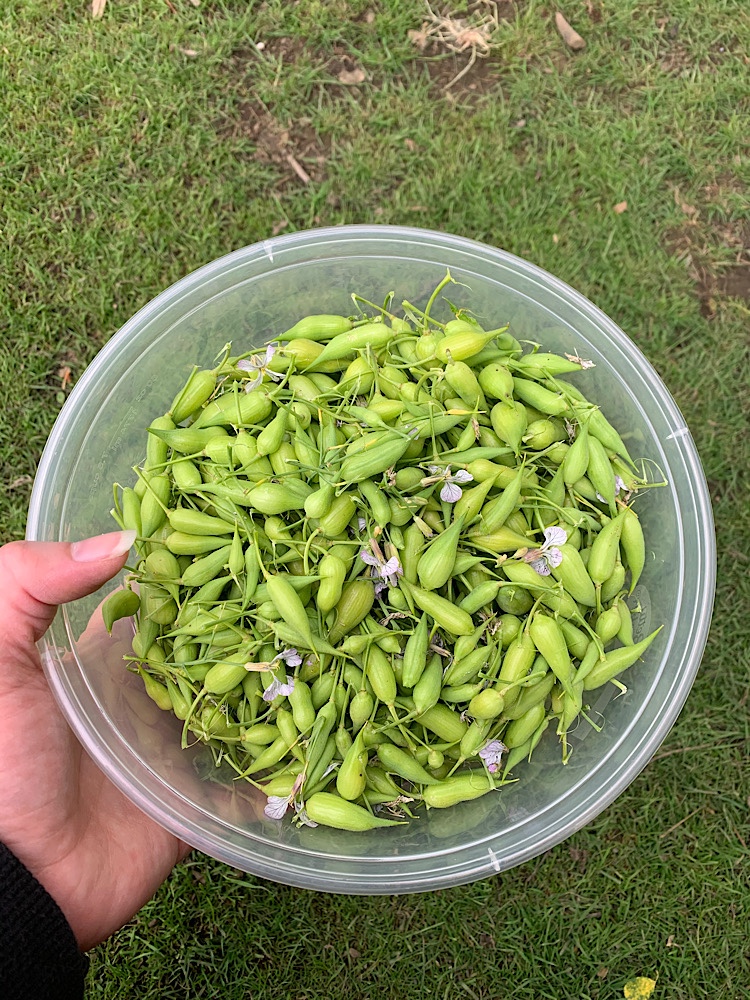
Radish pods are one of my FAVORTIE treats from the garden that you can't find anywhere else.
Radish pods, also known as radish seed pods, are the edible seed pods that form after radish plants flower. These pods have a slender, elongated shape and a crisp texture, similar to snap peas or green beans. They have a mildly spicy and peppery flavor, reminiscent of radish roots but milder in intensity. Radish pods can be enjoyed raw, or lightly cooked in stir-fries, sautés, they are less spicey after cooking.
Best to keep refrigerated.
Rinse. The stems should be removed. Eat raw or cooked.
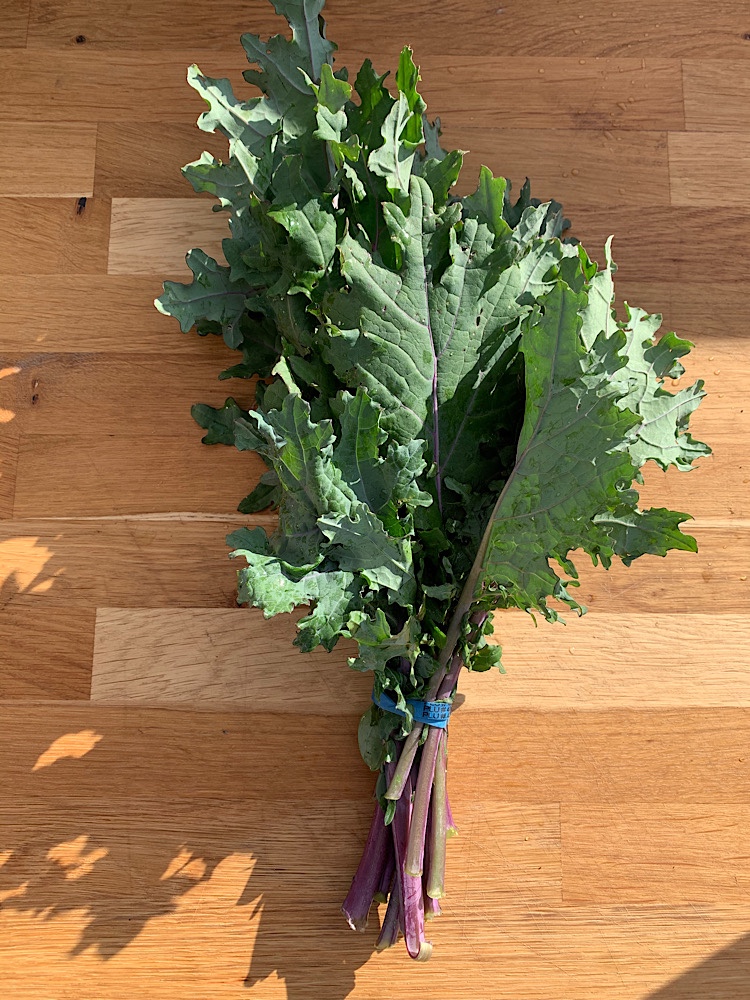
Kale, a leafy green vegetable renowned for its robust and earthy flavor, belongs to the Brassica family and stands as a nutritional powerhouse. Its slightly bitter, peppery taste lends itself well to a multitude of culinary applications, from hearty salads and smoothies to sautés and soups.
Rinse. Remove from stems because leaves cook faster. Chop or use whole leaves. Eat raw or cooked. If the kale starts to wilt, you can revive it by soaking the leaves in ice water for a few minutes before patting them dry and using as desired.
To store kale, place unwashed leaves in a container lined with a dry paper towel to absorb excess moisture. Seal the bag or container loosely to allow for some airflow. Store the bag in the refrigerator's crisper drawer, where it will stay fresh for a few days.
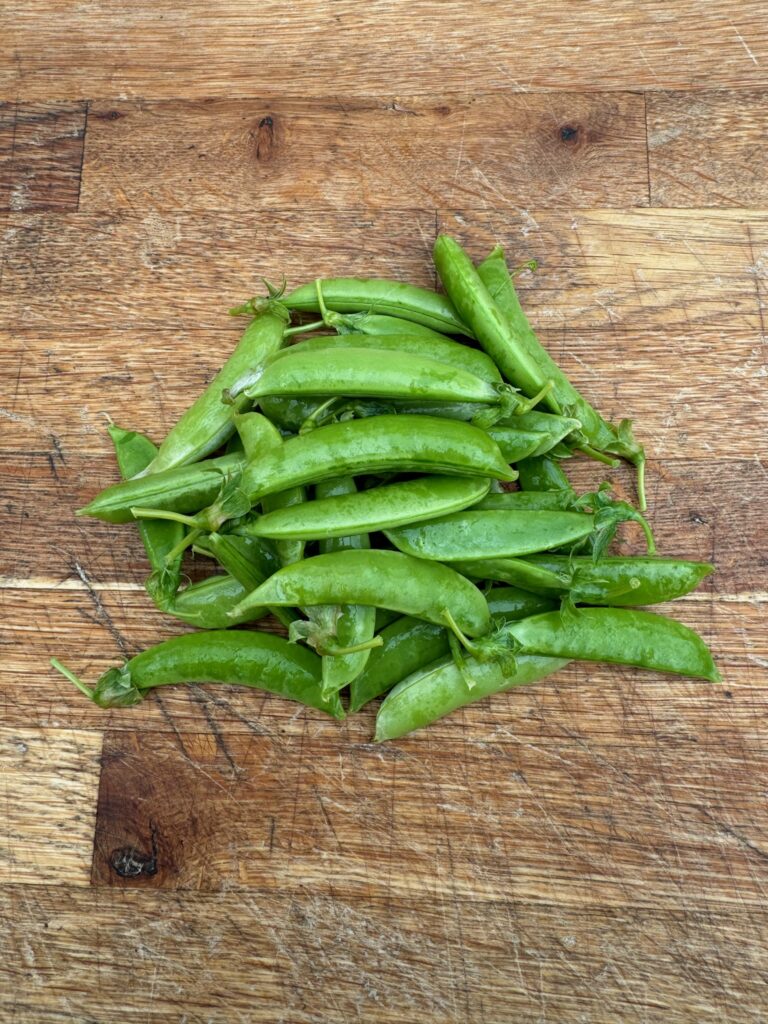
Sugar snap peas are known for their sweet flavor and crunchy texture. Unlike other pea varieties, both the pod and peas inside are edible, making them convenient and enjoyable to eat raw or cooked. Sugar snap peas are bright green, with a plump, juicy interior that bursts with a fresh, mildly sweet taste reminiscent of garden peas. They are often enjoyed in salads, stir-fries, or simply as a snack on their own.
Sugar snap peas only need the stem end removed to enjoy. Rinse before eating. They can be eaten raw or cooked. Note that fuller pods might have some strings that need to be removed.
Sugar snap peas should be used sooner rather than later. Place the unwashed sugar snap peas in a bag or a container lined with a dry paper towel to absorb excess moisture. Leave the bag slightly open or use a container with ventilation to allow for some airflow. Store the sugar snap peas in the refrigerator's crisper drawer.
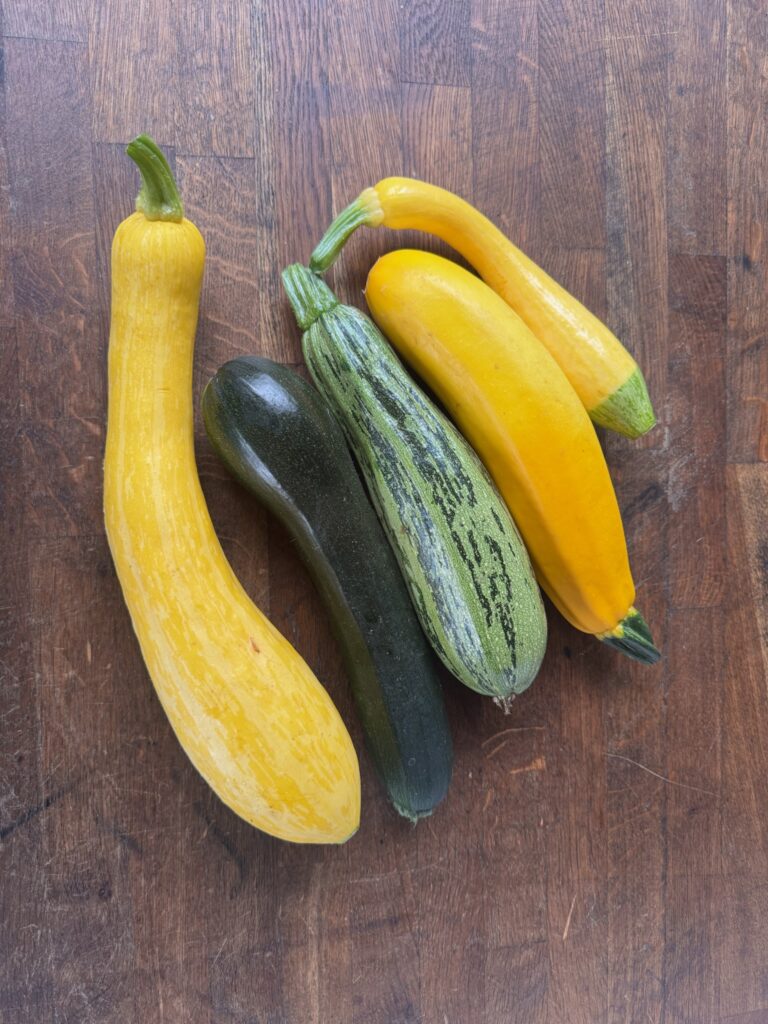
Summer squash refers to a variety of tender, edible gourds that are harvested during the summer months. They typically have a vibrant, yellow or green skin and a mild, slightly sweet flavor. Summer squash comes in various shapes, including elongated, cylindrical zucchini and round or bulbous varieties like pattypan and yellow crookneck squash. The flesh is tender and succulent, with a delicate texture that holds up well in both raw and cooked preparations.
Rinse. Eat raw or cooked.
Handle gently. The skin is thin and fragile. Keep on the counter and use within a week. If you aren't going to use them right away keep in the refrigerator.
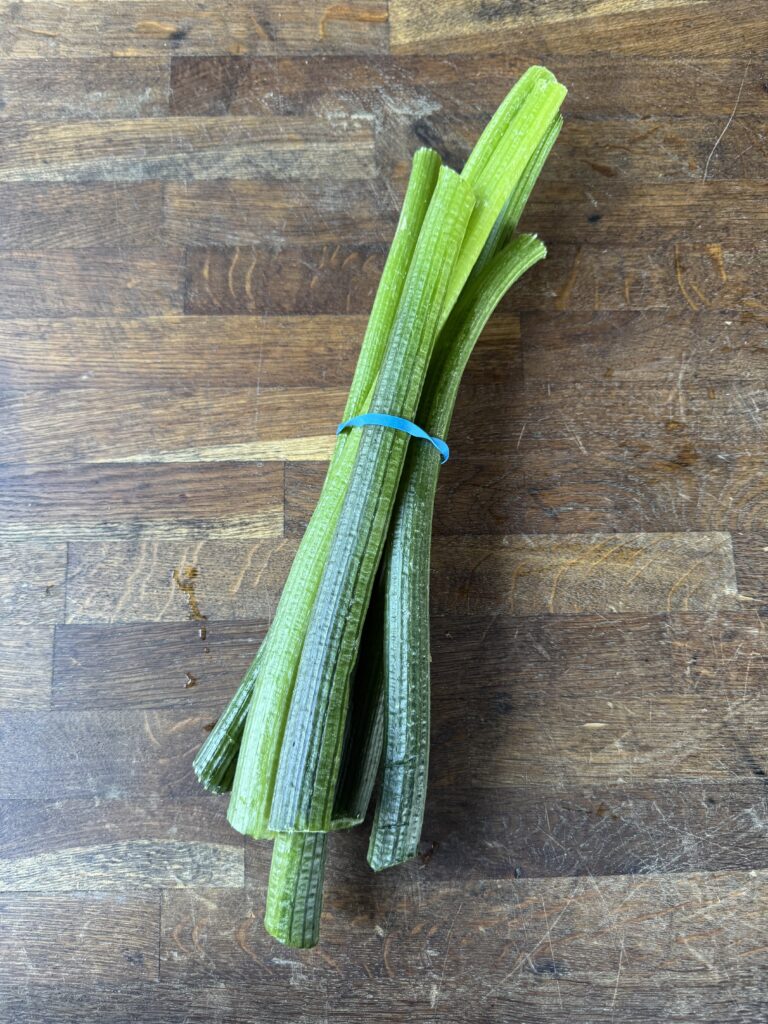
Squash stems are the hollow stalks of the squash plant, often overlooked but entirely edible when properly prepared. They have a mild, slightly sweet flavor and a tender-crisp texture when cooked. The outer layer can sometimes be fibrous or spiny, so peeling or scraping it away is recommended before cooking. Once prepped, squash stems can be a flavorful addition to stir-fries, soups, or sautés, especially when paired with bold ingredients like garlic, onions, tomatoes, or coconut milk. Their sturdy structure holds up well in both quick and slow cooking methods, making them a versatile way to use more of the squash plant.
Rinse squash stems thoroughly to remove dirt and any small spines. Trim off the ends and peel or scrape away any tough or fibrous outer skin. Cut into bite-sized pieces. For a more tender texture, you can blanch them briefly before sautéing, stir-frying, or simmering.
Wrap unwashed squash stems in a damp paper towel and place them in a loosely sealed plastic bag or container. Store in the refrigerator's crisper drawer and use within a couple of days for best texture and flavor.
The table below isn't very mobile friendly, so there's also a Google Sheet and a simple list below with the same information. Use whichever format you prefer. You can even add your own meal ideas and recipes through the Google Sheet!
| Meal Idea | Use This Week’s Produce | Protein Ideas | Carb Ideas | Sauce / Seasoning |
|---|---|---|---|---|
| Stir-Fry | Chinese cabbage, sugar snap peas, summer squash, squash stems | Chicken, tofu, shrimp | Rice, noodles | Soy sauce, garlic, ginger, splash of vinegar |
| Soup | Collard greens, Black Magic kale, Chinese cabbage, squash stems | White beans, chicken, lentils | Bread, potatoes | Oregano, thyme, black pepper |
| Pasta | Red Russian kale, summer squash, squash stems, radish pods | Italian sausage, chicken, cannellini beans | Pasta | Olive oil, garlic, parmesan, lemon |
| Grain Bowl | Chinese cabbage, collard greens, radish pods, sugar snap peas | Salmon, tofu, chickpeas | Rice, quinoa, farro | Tahini dressing, lemon vinaigrette |
| Wraps | Chinese cabbage, Black Magic kale, sugar snap peas, summer squash | Turkey, chicken, black beans | Tortillas, pita | Hummus, yogurt sauce, ranch |
| Noodle Bowl | Chinese cabbage, radish pods, squash stems, sugar snap peas | Beef, shrimp, edamame, tofu | Rice noodles, soba | Teriyaki, peanut sauce, soy-ginger sauce |
| Hash | Collard greens, Red Russian kale, squash stems, summer squash | Eggs, sausage, black beans | Potatoes, sweet potatoes | Smoked paprika, garlic powder, hot sauce |
| Egg Dish | Black Magic kale, Chinese cabbage, summer squash, radish pods | Eggs, feta, bacon | Toast, roasted potatoes | Black pepper, fresh herbs, chili flakes |
| Curry | Chinese cabbage, collard greens, sugar snap peas, summer squash | Chickpeas, chicken, tofu | Jasmine rice, naan | Coconut milk, curry paste, garlic, lime |
| Flatbread | Red Russian kale, summer squash, squash stems, radish pods | Mozzarella, chicken, ricotta | Flatbread, naan | Pesto, garlic oil, balsamic glaze |