Site is under construction... Thanks for your patience! 

What's in the Box?! Week 22 Summer 2025

November 11, 2025
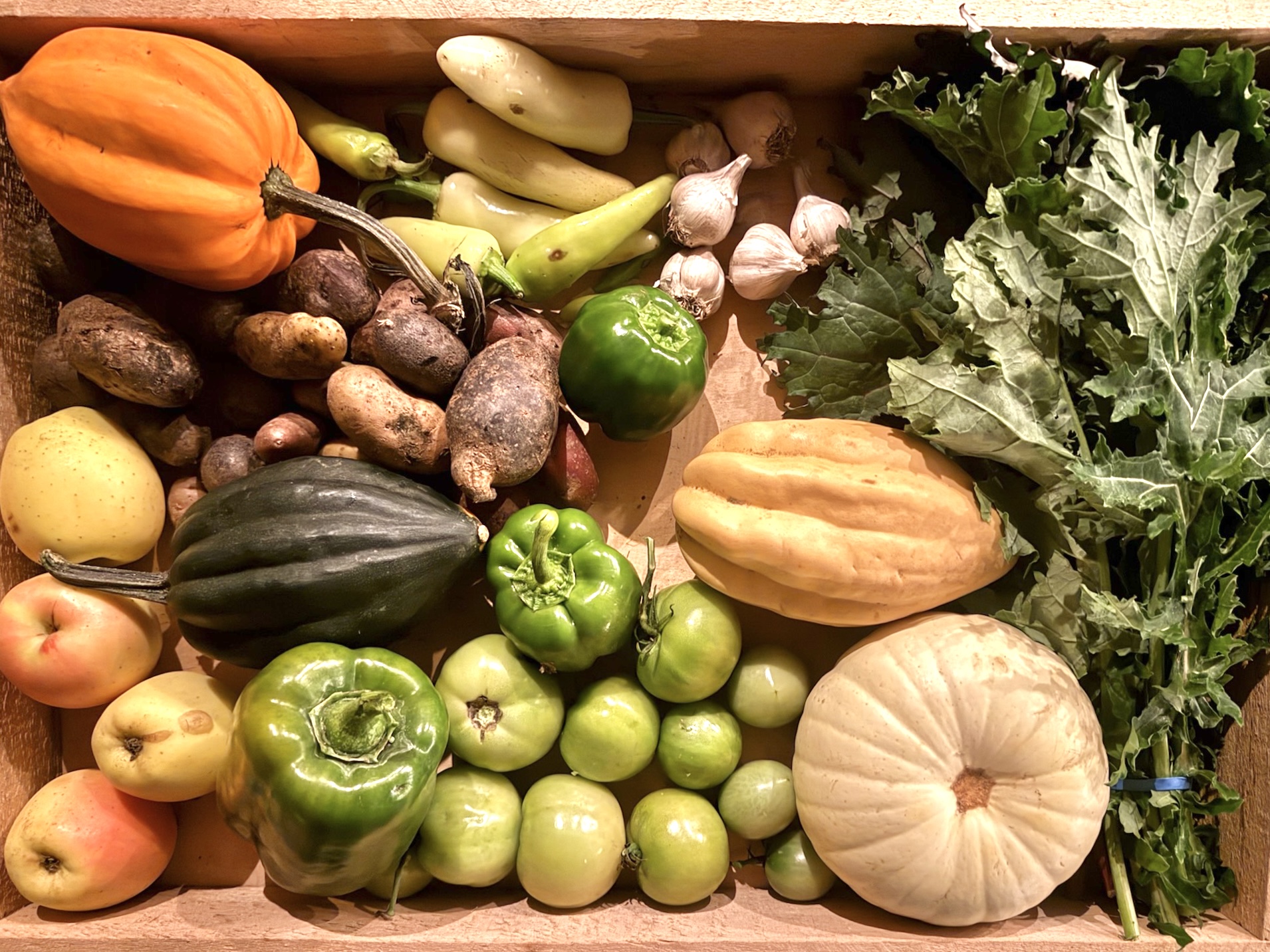
Acorn Squash, Bell Peppers, Garlic, Gold Rush Apple, Green Tomatoes, Rainbow Jalapeños, Potatoes, Red Russian Kale, Snowball Pumpkin, Thelma Sanders Squash
  • Acorn Squash: Sweet and nutty with a creamy texture, perfect for roasting, stuffing, or blending into soups.
  • Bell Peppers: Crisp and juicy with a mild sweetness, great raw in salads, roasted, or stuffed.
  • Garlic: Pungent and aromatic with a savory bite, adds depth to sauces, marinades, and roasted vegetables.
  • Gold Rush Apple: Sweet-tart and firm with honeyed notes, excellent for snacking, baking, or drying.
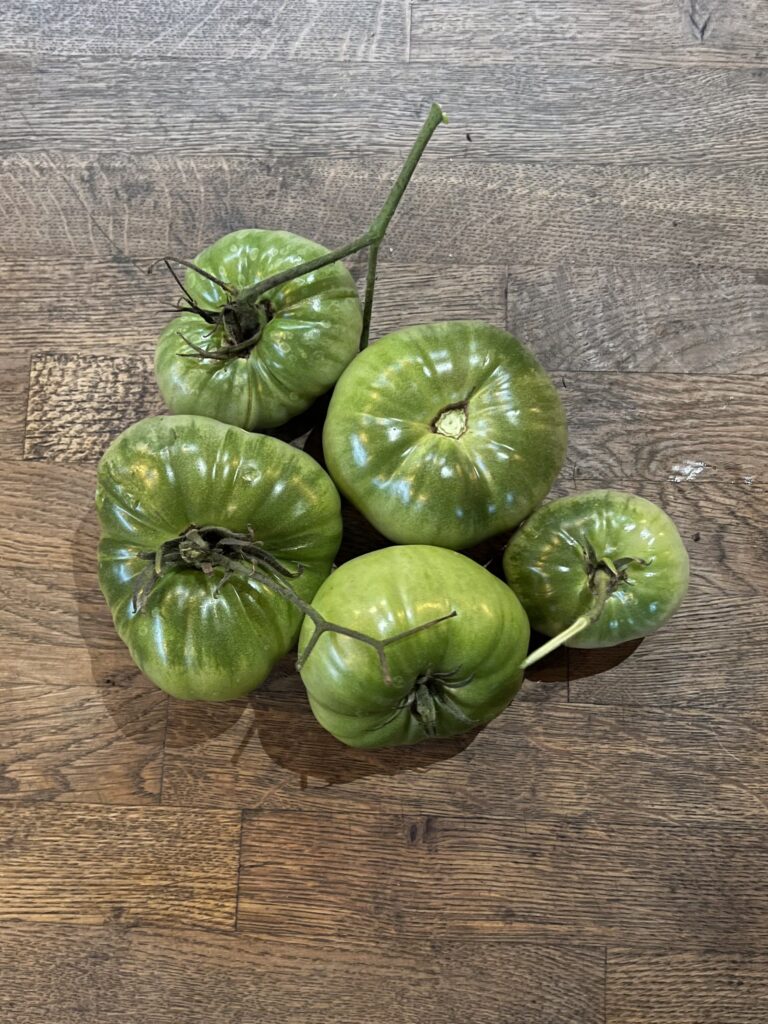
  • Green Tomatoes: Firm and tangy with a hint of citrus, ideal for frying, pickling, or adding brightness to sauces.
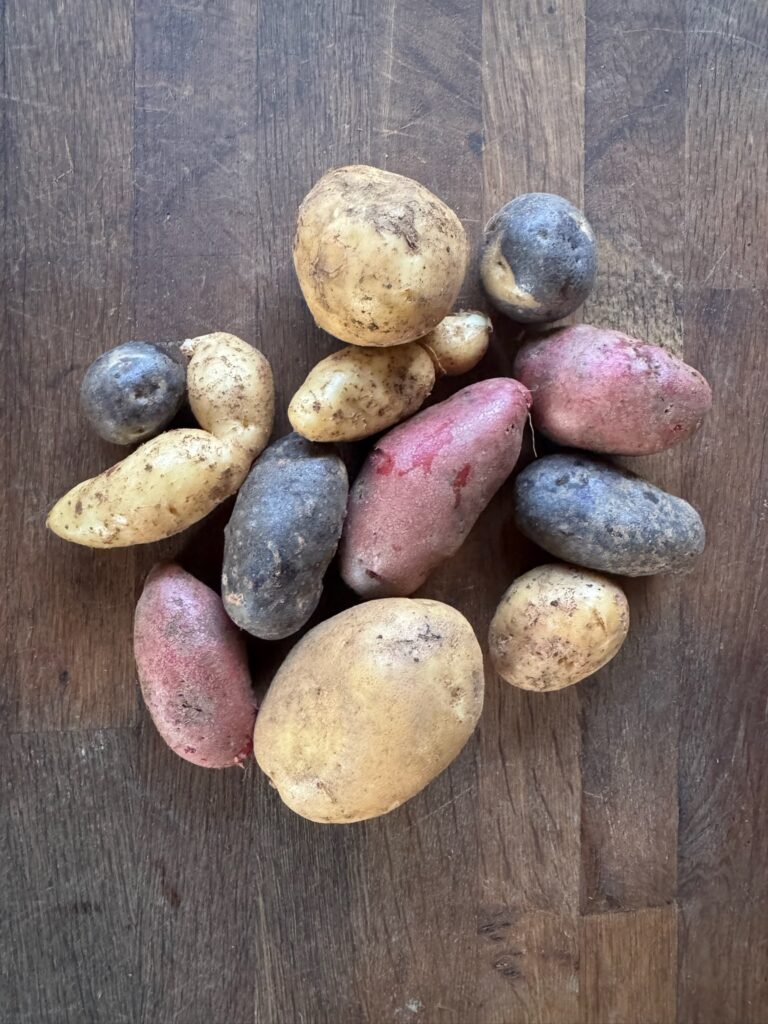
  • Potatoes: Earthy and versatile with a tender, creamy texture when cooked. Roast, mash, pan-fry, or add to soups and stews.
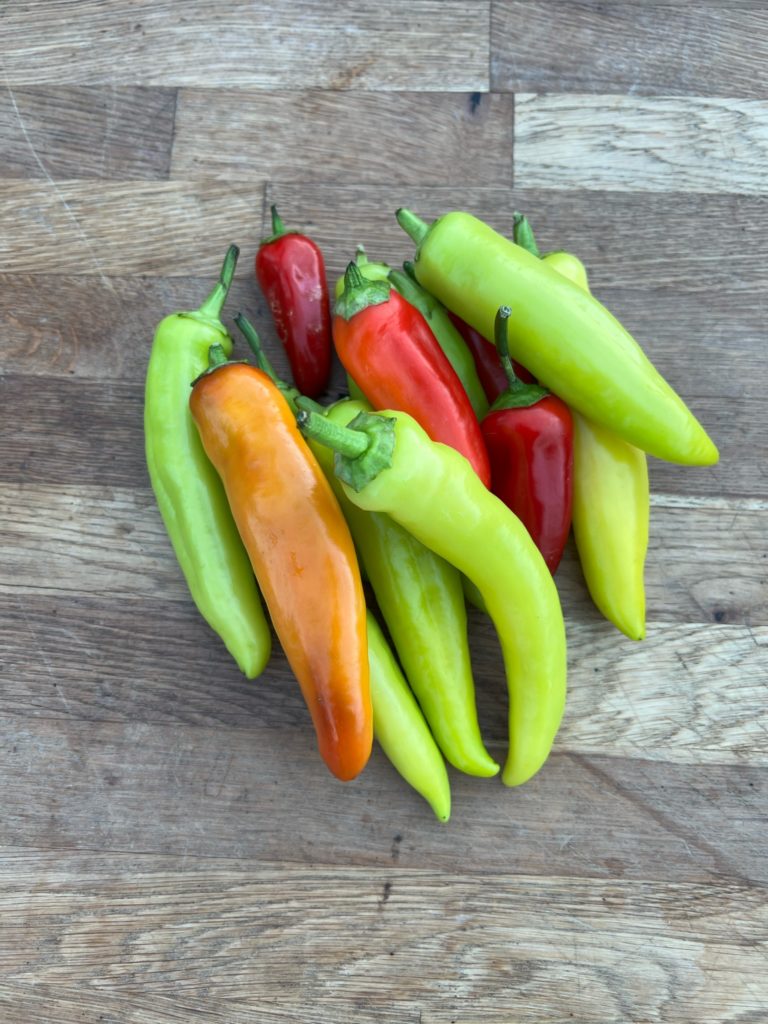
  • Rainbow Jalapeños: Colorful and spicy with a bold kick, perfect for salsa, grilling, or adding heat to any dish.
  • Red Russian Kale: Sweet and tender with a mild, earthy flavor. Best raw in salads, sautéed, or blended into smoothies.
  • Snowball Pumpkin: Sweet and smooth with creamy white flesh, excellent for pies, roasting, or pureeing into soups and sauces.
  • Thelma Sanders Squash: Sweet and buttery with a nutty flavor, delicious roasted, mashed, or used in fall-inspired casseroles.

    If you said "yes" to hot peppers, you'll have peppers this week!

    Meal Ideas

    Well, it’s the last delivery of the year!

    Thank you so much for being part of our farm family and for helping support Little BearFox Farm! This season has been one of the most challenging yet, but thanks to your encouragement and commitment, we made it through to the end.

    This week’s box includes some of the very first apples from our orchard, which we planted back in 2019 when we first moved to the farm. We harvested around 1,600 pounds of apples this year. Once the trees are in full production, we expect to bring in about ten times that amount! Crazy right?

    Also new this year is the first harvest of our Music garlic that we’re able to share, originally started from a single pound we purchased from a friend in Canada in 2020. That gave us just 40 cloves to start with. Over the past four years we’ve been harvesting, dividing, and replanting. This season, after planting nearly 600 cloves, we finally have enough to share some with you in your boxes this week.

    Thank you again for being part of our journey. Your support helps our small farm keep growing.

    With gratitude,
    Sarah, Chris, and all the creatures at Little Bearfox Farm
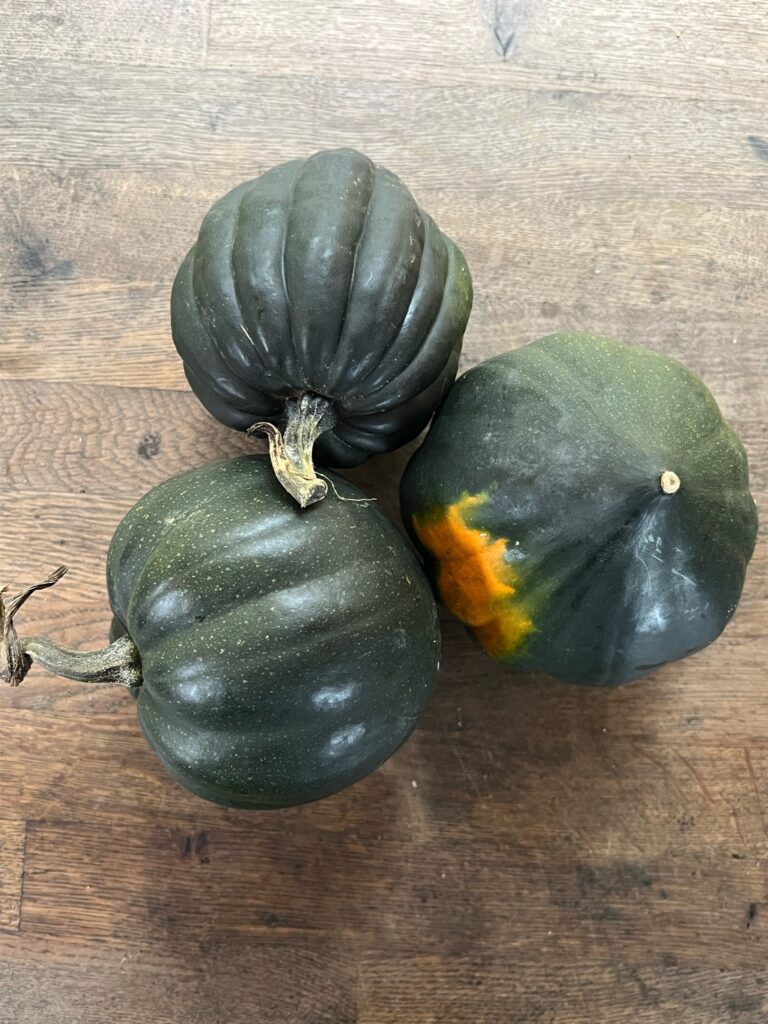
    Acorn Squash

    Acorn squash, a member of the winter squash family, is characterized by its small, dark green, or orange ribbed exterior, often with a distinctive acorn-like shape. Its sweet, yellow-orange flesh is dense and nutty. Whether stuffed, mashed, pureed into soups, or simply roasted with a drizzle of maple syrup, acorn squash is celebrated for its rich taste and nutritional value, adding warmth and vibrancy to fall and winter menus.

    Prep

    To prepare acorn squash, begin by washing the outer skin to remove any dirt or debris, the skin is edible. Then, carefully slice the squash in half, lengthwise. Scoop out the seeds (save the seeds for roasting) and stringy pulp using a spoon. Slice, dice, or roast the squash as desired for your chosen recipe, and it's ready to be used in various culinary creations, from savory soups and side dishes to sweet pies and casseroles.

    Squash seeds can be roasted to create a delicious and nutritious snack. Preheat your oven to 300°F (150°C). After cleaning the seeds thoroughly, toss them with olive oil and your preferred seasonings. Spread the seeds in a single layer on a baking sheet and roast for about 15-20 minutes, stirring occasionally, until they turn golden brown and are crispy. Keep a close eye on them to prevent burning, as the exact time may vary based on the size of the seeds and your specific oven. Once roasted, let the seeds cool before enjoying this crunchy and nutritious snack.

    Storing

    Store uncut squash in a cool, dry place, like a pantry or on the kitchen counter. It can keep for up to a month. Once cut, wrap the unused portion tightly in plastic wrap or foil, refrigerate, and use it within a few days for the best quality.
    How to use:

    • Roasted Acorn Squash Wedges: Slice the acorn squash into wedges, toss them with olive oil, salt, and pepper, and roast until golden brown and caramelized.
    • Stuffed Acorn Squash: Halve the squash, scoop out the seeds, and fill the cavity with a stuffing mixture of grains, vegetables, and protein. Bake until the squash is tender.
    • Acorn Squash Soup: Puree roasted acorn squash with broth, onions, and spices to create a comforting and flavorful soup.
    • Mashed Acorn Squash: Boil or steam the squash until tender, then mash it with butter, herbs, and spices for a delicious side dish.
    • Acorn Squash Rings: Slice the squash into rings, brush with maple syrup or honey, and bake for a sweet and savory side dish.
    • Grilled Acorn Squash: Cut the squash into thick slices, brush with olive oil, and grill until grill marks appear.
    • Acorn Squash Fries: Cut the squash into thin strips, toss with olive oil and your favorite seasonings, and bake until crispy for a healthier alternative to fries.
    • Acorn Squash and Apple Bake: Combine acorn squash with apples, cinnamon, and a touch of brown sugar for a delicious baked dish.
    • Acorn Squash Risotto: Incorporate diced roasted acorn squash into a creamy risotto for a rich and satisfying meal.
    • Acorn Squash Desserts: Use mashed acorn squash in desserts like pies, muffins, or cakes for a unique twist and added moisture.

    Recipes

    31 Best Acorn Squash Recipes

    Bell Peppers

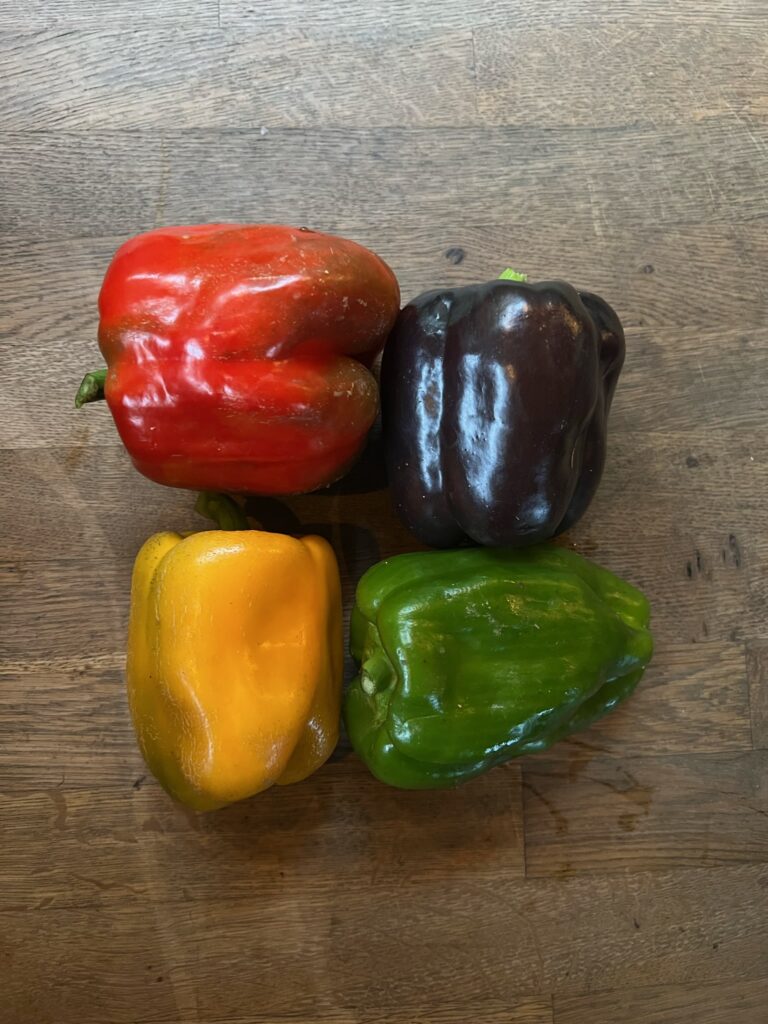
    Bell peppers are colorful and crisp vegetables that belong to the nightshade family. These versatile peppers come in various hues, including green, purple, red, yellow, and orange, with each color offering slightly different flavor profiles, from the grassy and mildly bitter taste of green peppers to the sweet and fruity notes of their more colorful counterparts. Whether enjoyed raw in salads, stuffed with savory fillings, sautéed in stir-fries, or roasted to enhance their natural sweetness, bell peppers are a culinary staple celebrated for their versatility, nutritional value, and culinary appeal.

    Storage

    Please refrigerate.

    Prep

    Rinse. Remove seeds. Eat raw or cooked. Roast or blanch to remove skin.
    Preserving

    • Freezing: Start by washing, deseeding, and cutting the peppers into slices or cubes. Blanch the pieces in boiling water for a few minutes, then cool them in an ice bath. Drain and pack them into airtight freezer bags or containers, removing as much air as possible. Frozen bell peppers can be used in a variety of cooked dishes, such as stir-fries, soups, and casseroles.
    • Drying: Dehydrate bell pepper slices to create dried peppers. Use a food dehydrator or your oven at a low temperature. Dried bell peppers can be rehydrated and added to various dishes or ground up and used as a seasoning.

    How to use

    • Stir-Fries: Slice them into thin strips and stir-fry with other vegetables, proteins, and your choice of sauce for a colorful and nutritious meal.
    • Salads: Add raw bell pepper strips to salads for a refreshing crunch and a burst of vibrant color. They pair well with greens, tomatoes, cucumbers, and a variety of dressings.
    • Stuffed Peppers: Hollow out bell peppers and stuff them with a mixture of rice, ground meat, or a vegetarian filling. Bake until the peppers are tender for a satisfying meal.
    • Sauces and Salsas: Use bell peppers to make homemade sauces and salsas. Roast, peel, and blend them with other ingredients like tomatoes and chili for a rich salsa, or simmer them with garlic and onions for a pasta sauce.
    • Grilled: Brush them with oil, season with salt and pepper, and grill until they develop a smoky, charred flavor. Grilled bell peppers are great in sandwiches or as a side dish.
    • Fajitas and Tacos: Sauté sliced bell peppers with onions and your choice of protein for fajitas and tacos.
    • Pizza Toppings: Slice them thinly and scatter them over your pizza for a burst of color and flavor.
    • Curries and Stews: Bell peppers are common additions to curries and stews. They contribute both flavor and texture to these hearty dishes.
    • Dips: Include bell peppers in dips like hummus, guacamole, or spinach and artichoke dip. Roasted and blended, they add a unique twist to classic recipes.
    • Sandwiches and Wraps: Layer bell pepper strips in sandwiches and wraps to enhance their crunch and flavor. They work well in everything from cold subs to warm panini.
    • Soups: Bell peppers can be used in various soups, providing a sweet and savory depth of flavor.
    • Sliced for Snacking: Slice bell peppers into strips and dip them in hummus, ranch dressing, or other favorite dips.

    Garlic

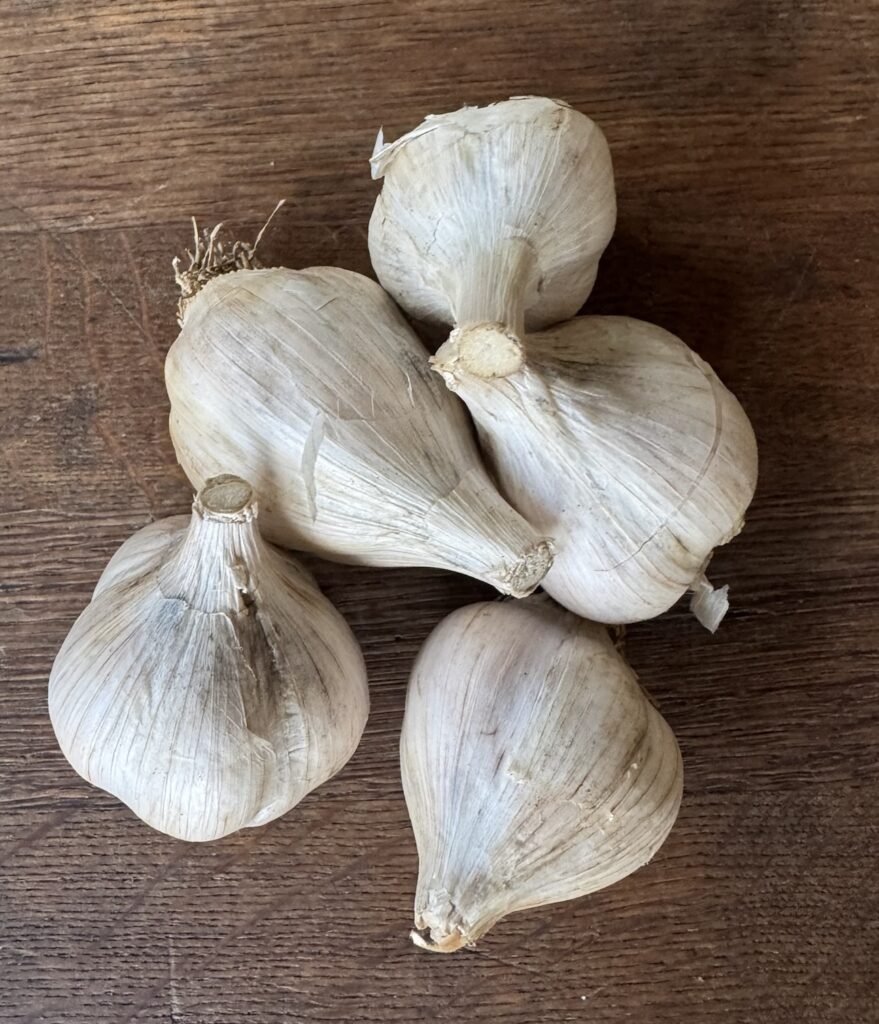
    Garlic is a staple ingredient known for its bold, savory flavor and unmistakable aroma. When raw, it delivers a sharp bite that mellows and sweetens beautifully when cooked. Each bulb is made up of multiple cloves encased in papery skin, and it can be used to add depth and warmth to almost any savory dish. From sauces and soups to roasted vegetables and meats, garlic brings a rich complexity that enhances everything it touches.

    Prep

    Separate the cloves from the bulb and peel off the papery skin. Garlic can be used raw, minced, sliced, crushed, or roasted. The smaller the pieces, the stronger the flavor will be.

    Storing

    Keep garlic bulbs in a cool, dry, and well-ventilated spot, away from sunlight. Do not refrigerate whole bulbs, as moisture can cause sprouting or mold. Once broken apart, individual cloves should be used within a week or two. Peeled or chopped garlic can be stored in a sealed container in the refrigerator for a few days, or submerged in oil for short-term use (always refrigerate if stored this way).
    How to use:

    • Roasted: Slice off the top of a garlic bulb, drizzle with olive oil, wrap in foil, and bake until soft and caramelized. The cloves can be squeezed out and spread on bread or used in mashed potatoes and sauces.
    • Sautéed: Cook minced garlic in oil or butter over low heat until fragrant, then add vegetables, meat, or grains.
    • Raw: Finely mince and mix into salad dressings, marinades, or dips for a sharp bite.
    • Pickled: Soak peeled cloves in vinegar with herbs and spices for a tangy condiment.
    • Infused Oil: Gently warm garlic in olive oil to make a flavorful base for pasta or bread dipping.
    • Soups and Stews: Add crushed or whole cloves to simmering dishes for deep flavor.
    • Garlic Butter: Blend softened butter with minced garlic and herbs for spreading on bread or topping grilled meats and vegetables.

    Gold Rush Apples

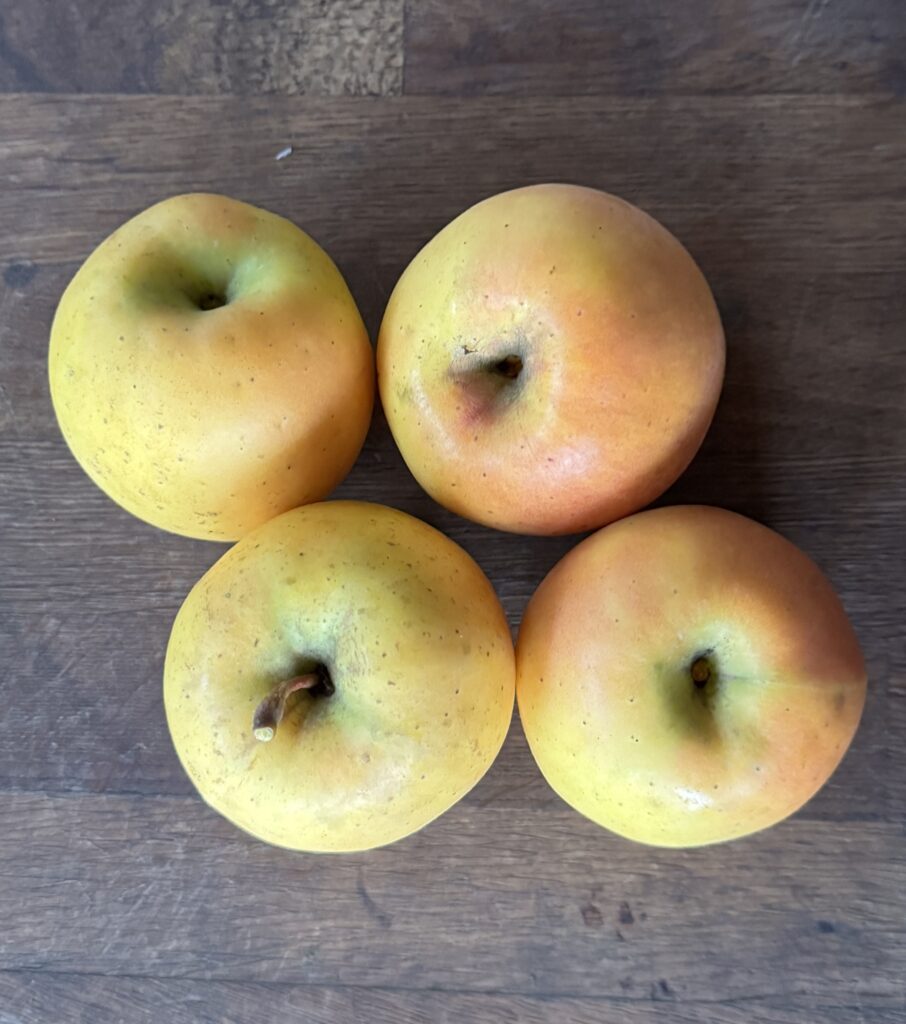
    Gold Rush apples are known for their crisp texture and complex sweet-tart flavor, with a bright tang. They are excellent for both fresh eating and cooking, holding their shape well in baked dishes and offering a refreshing bite when eaten raw. Their dense, juicy flesh makes them perfect for pies, sauces, and cider, as well as a naturally sweet snack straight from the fridge.

    Storage

    Please refrigerate.

    Prep

    Rinse. Eat raw or cooked.

    Preserving

    • Freezing: Apples can be frozen in various forms, such as slices, chunks, or applesauce. To prevent browning, you can pre-treat them with a solution of water and ascorbic acid or lemon juice. Pack them in airtight containers or freezer bags, removing excess air, and freeze for future use in pies, crisps, or sauces.
    • Drying: Dehydrating apples creates dried apples or apple chips. You can use a food dehydrator or an oven at a low temperature. These dried apples are great for snacking, adding to granola, or rehydrating for use in recipes.

    How to use

    • Fresh Snacking: Enjoy apples as a portable snack or slice, and eat them with or without a dip like peanut butter or yogurt.
    • Apple Slices in Salads: Add thin apple slices to green salads to provide a sweet and crunchy contrast to the greens.
    • Baking: Apples are a staple in baking. Use them to make apple pies, crisps, cobblers, tarts, muffins, and cakes. Their natural sweetness adds a wonderful flavor.
    • Applesauce: Make homemade applesauce by cooking peeled and sliced apples with a little water and sugar, if desired. It's a versatile condiment, snack, or dessert on its own and can be used in various recipes.
    • Cider: Press apples to make fresh apple cider, or use it as a base for apple cider vinegar or hard cider.
    • Apple Butter: Slow-cook apples with sugar and spices to create a rich and flavorful spread known as apple butter. It's great on toast or as a condiment for various dishes.
    • Fruit Salads: Add apple chunks to fruit salads for a sweet and refreshing twist.
    • Stuffing: Incorporate diced apples into stuffing recipes, particularly for poultry dishes.
    • Sandwiches: Include apple slices in sandwiches, particularly with ingredients like turkey and brie for a delightful crunch.
    • Chutneys: Apples can be used in chutney recipes to add sweetness and a pleasant tartness, which pairs well with various meats and cheeses.
    • Apple Slaw: Create a twist on traditional coleslaw by adding grated or julienned apples for a sweet and crunchy element.
    • Dried Apples: Dehydrate apples to create dried apple snacks, which are perfect for on-the-go munching.
    • Pork Dishes: Apples pair exceptionally well with pork. They can be used in roasts, chops, and sausages.
    • Apple Crisps: Make apple crisps by thinly slicing apples, seasoning with cinnamon and sugar, and baking until crispy.
    • Appetizers: Use apple slices as a base for appetizers, like apple and cheese platters.
    • Toppings: Top your morning cereal, oatmeal, or yogurt with apple slices or apple sauce.

    Green Tomatoes

    Green tomatoes, as the name suggests, are unripe tomatoes that are picked while still green in color. They possess a firmer texture and a tart, slightly tangy flavor compared to their fully ripened counterparts. Green tomatoes have a culinary versatility that extends beyond the typical tomato applications. They are known for their starring role in Southern classics like fried green tomatoes. Green tomatoes can also be pickled or used in chutneys, adding a zesty note to relishes and condiments.

    Storing

    Keep on counter and use soon or refrigerate.

    Prep

    Rinse. Cook.

    How to use:

    • Fried Green Tomatoes: This classic Southern dish involves slicing green tomatoes, coating them in a mixture of cornmeal and spices, and then frying them until golden and crispy. They are often served with a dipping sauce like remoulade.
    • Pickled Green Tomatoes: Green tomatoes can be pickled to create tangy, crunchy pickles. They are a great addition to sandwiches or as a side dish.
    • Green Tomato Salsa: Make a zesty salsa with diced green tomatoes, onions, cilantro, and hot peppers. It's a great accompaniment for grilled meats or as a dip for tortilla chips.
    • Chutney: Green tomatoes can be used to make a tangy and sweet chutney. It pairs well with roasted meats, cheese, or as a condiment for sandwiches.
    • Relish: Green tomato relish is a versatile condiment that can be used on hot dogs, burgers, or as a topping for sausages.
    • Grilled or Roasted: Grill or roast green tomatoes to soften them slightly and bring out their sweetness. They can be used as a side dish or topping for grilled meats.
    • Pies and Tarts: Some people enjoy using green tomatoes in pies and tarts, similar to how you'd use apples. Sweeten them with sugar and spices for a delightful dessert.
    • Green Tomato Jam: Make a sweet and slightly tangy jam or jelly from green tomatoes to spread on toast or use as a condiment.
    • Curries and Stews: In some cuisines, green tomatoes are used in curries and stews to add acidity and flavor.
    • They can also be used as a bell pepper replacement.

    Rainbow jalapeños

    Rainbow jalapeños are colorful hot peppers that ripen through a stunning range of colors, starting green, then turning yellow, orange, red, and sometimes purple. Each stage offers a slightly different flavor, from bright and grassy when green to sweet and smoky when fully ripe. They have a medium heat level, typically between 2,500 and 8,000 Scoville Heat Units, adding just the right amount of spice without overwhelming a dish.

    Storage
    Store unwashed rainbow jalapeños in a paper or plastic bag in the refrigerator’s crisper drawer, where they will keep for about a week. For longer storage, slice and freeze them in airtight containers or pickle them in vinegar to enjoy their heat and color year-round.

    Prep
    Rinse. Slice or chop as desired. Remove seeds and membranes to reduce heat. Wash hands well after handling, as the oils can irritate skin and eyes.

    How to use
    • Fresh: Dice and add to salsas, tacos, or guacamole for color and spice.
    • Roasted: Char under a broiler or on a grill for a smoky flavor and vibrant look.
    • Pickled: Preserve slices in vinegar for topping sandwiches, burgers, and nachos.
    • Stuffed: Fill with cheese or seasoned meat and bake or grill for a colorful appetizer.
    • Sauces: Blend into hot sauce or salsa for a beautiful hue and balanced heat.
    • Juiced: Add a small slice to fresh fruit or vegetable juice for a zesty, spicy twist.
    • Cooked Dishes: Add to chili, soups, stir-fries, or roasted vegetables for flavor and a pop of color.

    Potatoes

    Potatoes are a versatile and hearty vegetable, known for their starchy, creamy texture and mild, earthy flavor. They can be boiled, roasted, mashed, or fried, and they pair well with a wide range of dishes. Their sturdy skins are often edible, and they hold their shape well in soups, stews, and salads. As Samwise Gamgee said in The Lord of the Rings, “Po-ta-toes! Boil ’em, mash ’em, stick ’em in a stew.” Potatoes have long been a staple in kitchens around the world, cherished for their simplicity, nutrition, and comfort.

    Prep

    Scrub and cooked.

    Storage

    Store potatoes in a cool, dark, and well-ventilated place, like a pantry. Avoid the fridge, as cold temperatures can alter their texture.
    How to use:

    • Roasted: Toss potatoes with olive oil, salt, and herbs, then roast until crispy and golden for a delicious side dish.
    • Boiled: Boil potatoes until tender and toss with butter, garlic, and fresh herbs for a simple, comforting dish.
    • Salads: Boiled or roasted potatoes work wonderfully in potato salads, adding a creamy texture and unique flavor.
    • Smashed: Boil, lightly smash, then roast or pan-fry for crispy edges and a fluffy interior.
    • Grilled: Slice potatoes in half, brush with oil, and grill for a smoky, caramelized flavor—perfect as a summer side.

    Recipes

    Red Russian Kale

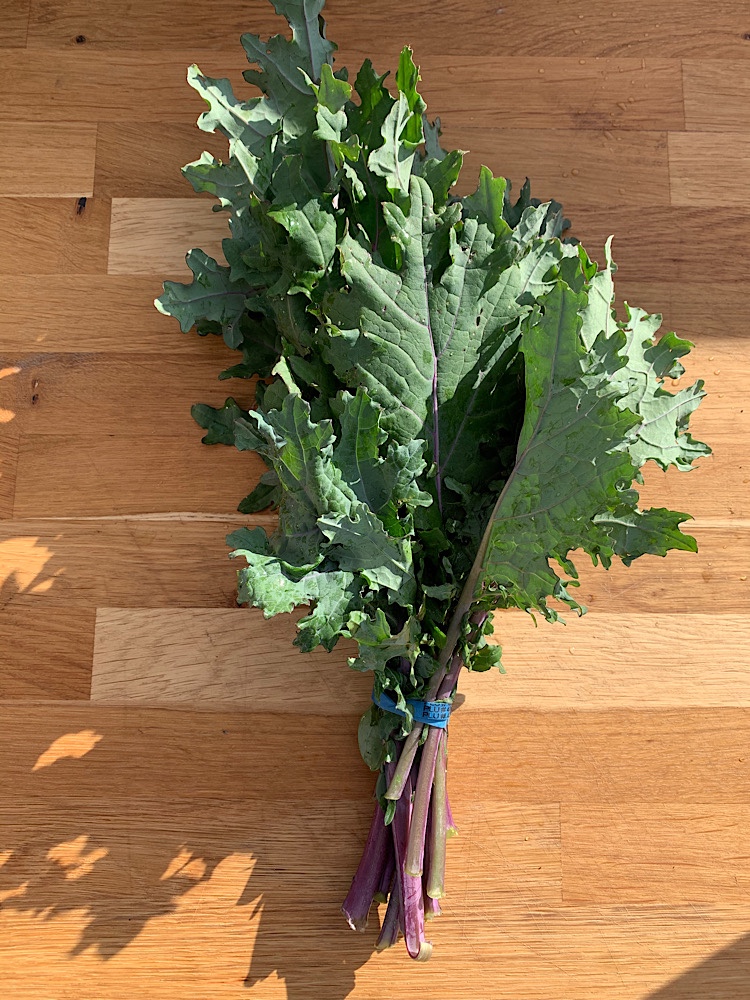
    Kale, a leafy green vegetable renowned for its robust and earthy flavor, belongs to the Brassica family and stands as a nutritional powerhouse. Its slightly bitter, peppery taste lends itself well to a multitude of culinary applications, from hearty salads and smoothies to sautés and soups.

    Prep

    Rinse. Remove from stems because leaves cook faster. Chop or use whole leaves. Eat raw or cooked. If the kale starts to wilt, you can revive it by soaking the leaves in ice water for a few minutes before patting them dry and using as desired.

    Storing

    To store kale, place unwashed leaves in a container lined with a dry paper towel to absorb excess moisture. Seal the bag or container loosely to allow for some airflow. Store the bag in the refrigerator's crisper drawer, where it will stay fresh for a few days.
    How to use:

    • In salads: Kale is a sturdy green that holds up well in salads. Try massaging the kale with some olive oil and lemon juice to make it more tender.
    • In smoothies: Kale adds a nutritious boost to smoothies. Try blending kale with frozen fruit and yogurt for a delicious and healthy breakfast.
    • In soups: Kale is a great addition to soups. Add it to vegetable soup or use it in place of spinach in a classic Italian minestrone.
    • In stir-fries: Kale works well in stir-fries. Add it to your favorite stir-fry recipe along with other vegetables and a protein.
    • In pasta dishes: Kale can be added to pasta dishes for a nutritious twist. Try tossing it with spaghetti, olive oil, and garlic for a simple yet satisfying meal.
    • In sandwiches and wraps: Use kale leaves as a healthy alternative to lettuce in sandwiches and wraps. They add a crunchy texture and a boost of nutrition.
    • In pesto: Use kale instead of basil in a classic pesto recipe. It adds a unique flavor and packs in extra nutrients.
    • In chips: Bake kale leaves in the oven with a little olive oil and salt for a healthy and delicious snack.

    Recipes

    Snowball Pumpkin

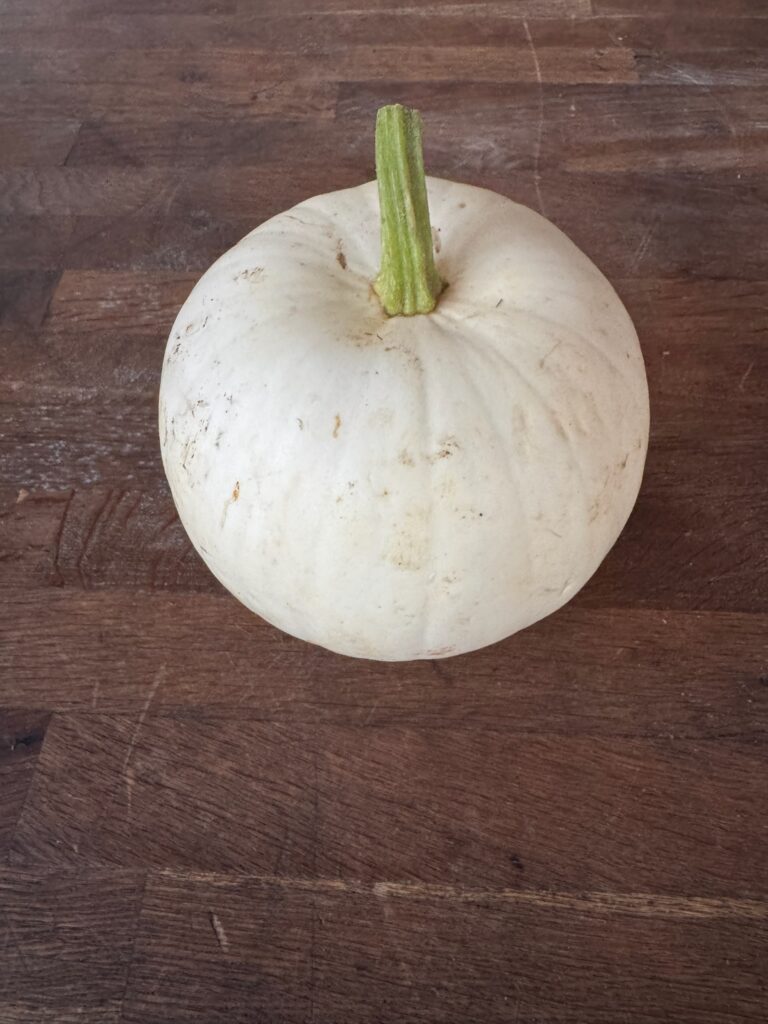
    Snowball pumpkin is a charming small white pumpkin known for its creamy, smooth flesh and mild sweetness. Its snow-white skin and round shape make it both decorative and delicious. The texture is velvety when cooked, and the flavor is rich yet delicate, making it perfect for pies, soups, or roasting. Snowball pumpkins are often chosen for their versatility in both savory and sweet dishes, as well as their striking appearance in fall displays.

    Prep

    Wash the outer skin to remove any dirt. Cut the pumpkin in half with a sharp knife and scoop out the seeds and stringy pulp. The skin can be peeled or left on depending on your recipe. Slice, cube, or roast the flesh as needed for your dish. Snowball pumpkin’s tender, slightly sweet flesh works beautifully in both baked and savory recipes.

    Pumpkin seeds can also be roasted for a crunchy snack. Clean the seeds, toss them with a little oil and seasoning, spread them on a baking sheet, and roast at 300°F for 15–20 minutes, stirring occasionally until golden and crisp.

    Storage

    Keep whole pumpkins in a cool, dry place for up to a month. Once cut, wrap tightly in plastic or foil, refrigerate, and use within a few days.
    How to use

    • Pumpkin Pie: The smooth, creamy texture of Snowball pumpkin makes it perfect for pies. Roast, purée, and use in any favorite pumpkin pie recipe.
    • Soups: Blend roasted pumpkin with broth, herbs, and cream for a comforting fall or winter soup.
    • Breads and Muffins: Add puréed pumpkin to muffin or quick bread batter for extra flavor and moisture.
    • Casseroles: Mix diced or mashed pumpkin into casseroles or gratins for added sweetness and color.
    • Ravioli Filling: Use puréed pumpkin as a rich filling for pasta or stuffed shells.
    • Curries: Add roasted chunks to curries or stews for a creamy, mildly sweet element.
    • Side Dishes: Roast with olive oil, salt, and herbs for an easy and flavorful side.
    • Smoothies: Blend pumpkin purée into smoothies with cinnamon or nutmeg for a fall twist.
    • Desserts: Use puréed pumpkin in puddings, cheesecakes, or tarts.
    • Preserves: Turn Snowball pumpkin into chutneys, jams, or spiced butter to enjoy year-round.

    Thelma Sanders Squash

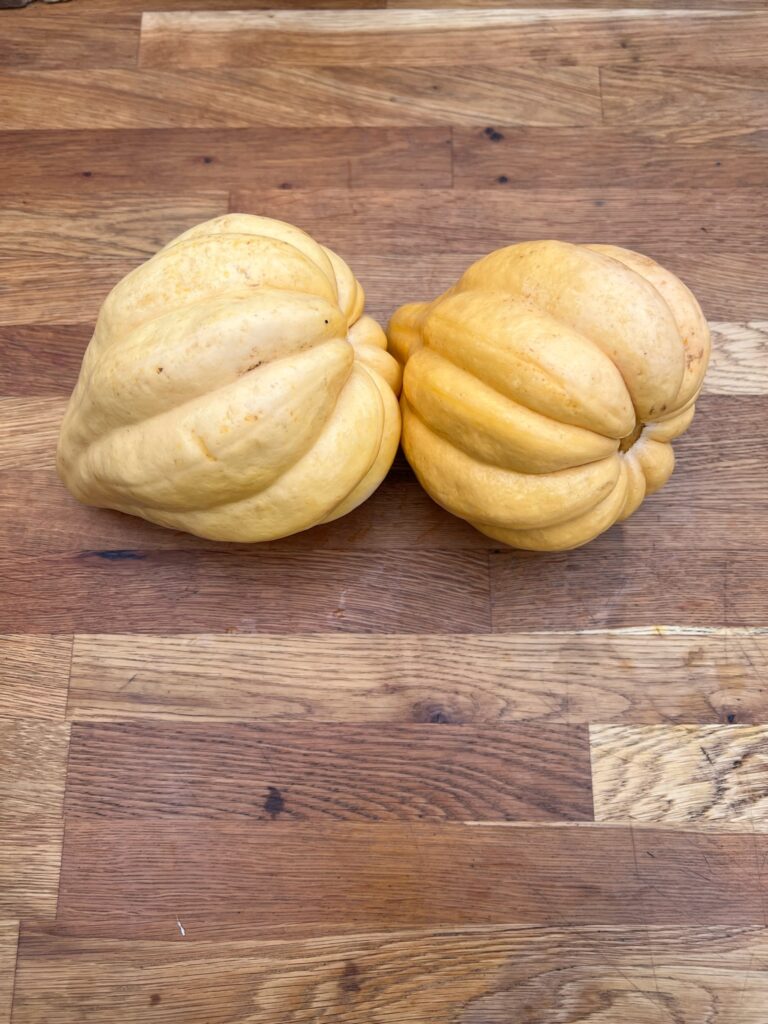
    Thelma Sanders squash, a cherished heirloom variety, is a petite, cream-colored winter squash with a delicately ribbed, flattened shape and a smooth, sweet flavor. This squash is known for its exceptional sweetness and nutty undertones. Its flesh is fine-textured and creamy, making it a superb choice for roasting, baking, or puréeing into soups and sauces.

    Prep

    To prepare Thelma Sanders squash, start by washing the outer skin to remove any dirt or debris. Then, carefully slice it in half, lengthwise. Scoop out the seeds and stringy pulp using a spoon. Slice, dice, or roast the squash as desired for your chosen recipe, and it's ready to be used in various culinary creations, from soups and side dishes to pies and casseroles.

    Storing

    Store uncut squash in a cool, dry place, like a pantry or on the kitchen counter. It can keep for up to a month. Once cut, wrap the unused portion tightly in plastic wrap or foil, refrigerate, and use it within a few days for the best quality.

    How to use:

    • Roasting: Toss Thelma Sanders squash with olive oil, salt, and pepper, then roast it until tender. Roasted squash makes a tasty side dish or can be added to salads.
    • Mashed: Boil or steam the squash until soft, then mash it with butter and seasonings for a creamy and flavorful side dish.
    • Soup: Purée Thelma Sanders squash to create a velvety soup, often blended with spices like nutmeg, cinnamon, and ginger.
    • Pies and Tarts: Use the sweet squash in pies, tarts, or custards as a delightful and unique filling.
    • Casserole: Incorporate diced or mashed squash into casseroles, such as gratins or baked dishes.
    • Risotto: Add cubes of Thelma Sanders squash to your risotto for a rich and hearty texture.
    • Curries: Include squash in curries for a touch of sweetness and creaminess.
    • Stuffed: Hollow out the squash halves, stuff them with a mixture of grains, vegetables, and protein, and bake for a flavorful and impressive main course.
    • Preserves: Make jams, chutneys, or pickles using Thelma Sanders squash for a unique twist on preserves.

    Meal Ideas

    • Roasted Veggie Medley: Roast acorn squash, potatoes, and bell peppers with olive oil and garlic.
    • Apple and Kale Salad: Slice Gold Rush apples and toss with shredded kale, olive oil, and lemon juice.
    • Green Tomato Stir-Fry: Sauté green tomatoes, bell peppers, and jalapeños with garlic and serve over rice.
    • Squash and Potato Soup: Simmer cubed squash, potatoes, and garlic in broth until tender, then blend smooth.
    • Kale and Jalapeño Hash: Cook diced potatoes, kale, and sliced jalapeños together for a hearty side dish.
    • Baked Acorn Squash Rings: Roast sliced acorn squash with olive oil and a sprinkle of salt until caramelized.
    • Pumpkin and Apple Puree: Blend cooked pumpkin and apples with a touch of cinnamon for a sweet side.
    • Garlic Roasted Potatoes: Toss potatoes with chopped garlic and roast until golden.

  • linkedin facebook pinterest youtube rss twitter instagram facebook-blank rss-blank linkedin-blank pinterest youtube twitter instagram