A Note From Chris
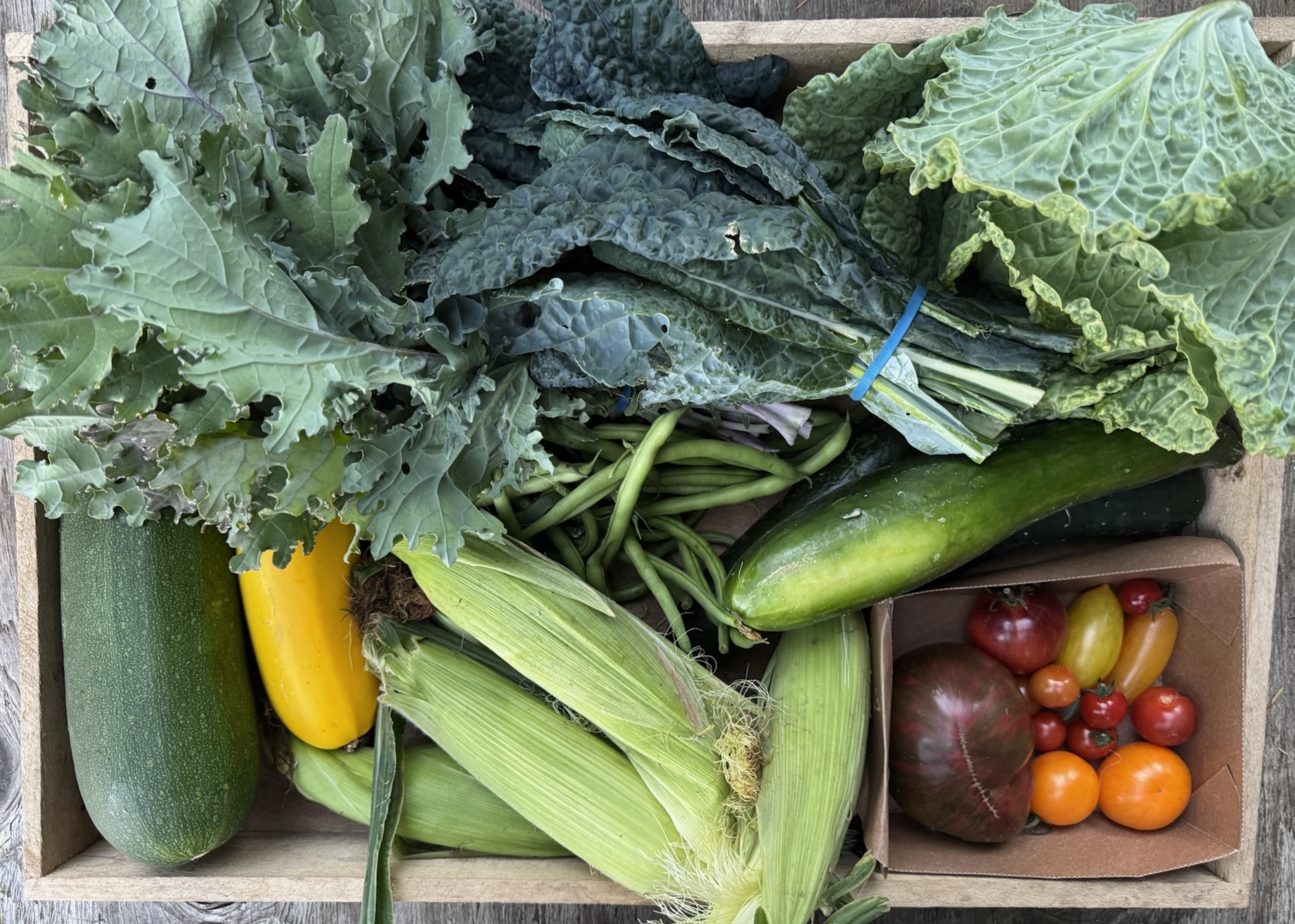
Summer is beginning its slow, golden fade. The kids are getting ready to head back to school, Labor Day is just around the corner, and somehow we’re already more than halfway through our CSA season. Thank you for sharing the ride with us, we hope you’re enjoying the harvest!
The cucumbers are having a full-blown jungle party! They’ve been playing an impressive game of hide-and-seek beneath the leaves, and every so often we uncover a giant that has managed to escape our notice. This week’s champion weighed in at a whopping 1½ pounds! The eggplants have joined the harvest parade, too, with enough for one in each box this week. We’re sure there will be more to share in the weeks ahead.
The tomatoes are also gathering momentum and beginning to pour in. Keep an eye out for more of them in your boxes soon.
Unfortunately, the raccoons have discovered the sweet corn. This week’s corn is no more: Rocky ate it. We’re doing our best to convince Rocky and his friends that the farm is not an all-you-can-eat buffet. Especially when it comes to the corn. Fingers crossed that we can protect the rest of the crop for your upcoming boxes!
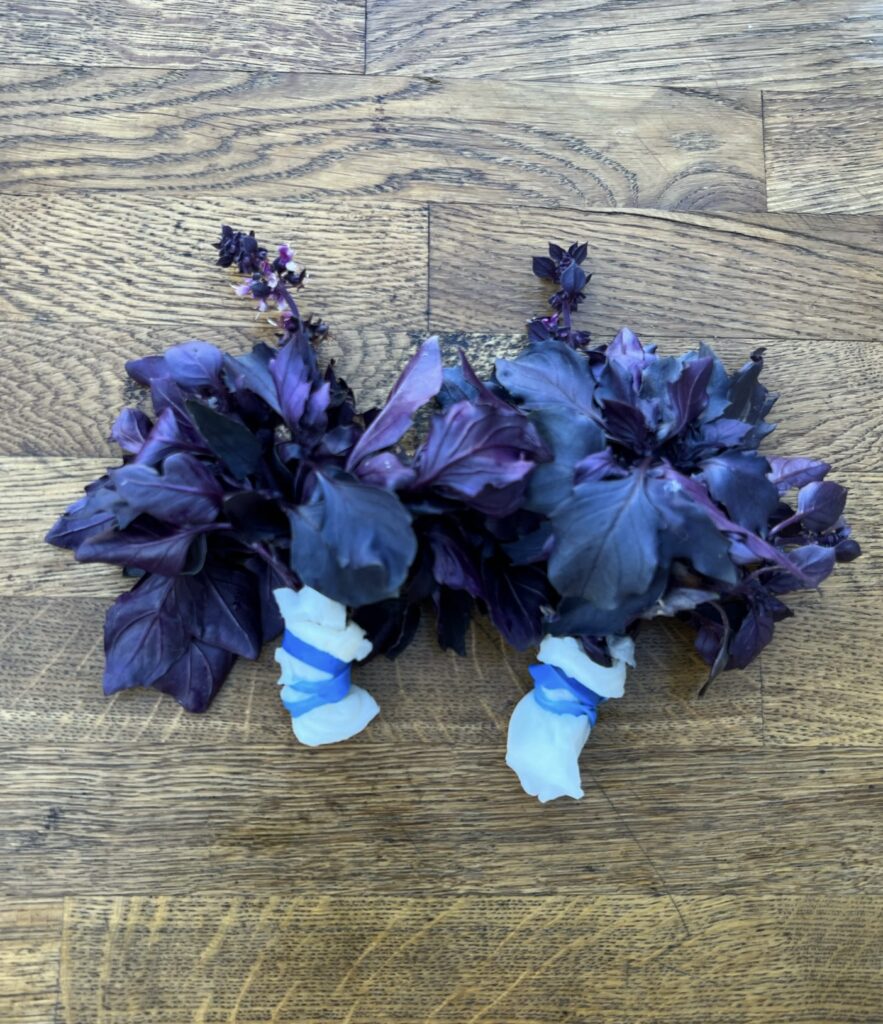
Purple basil boasts striking dark purple or burgundy leaves. Beyond its visual appeal, purple basil shares the same aromatic and slightly spicy fragrance as its green counterpart, but often carries subtle undertones of citrus or anise. The leaves can be used in a similar fashion to green basil, lending their unique color and flavor to dishes such as salads, pasta, sauces, and pestos.
In a glass of water: Trim the stems and any leaves that would be under water. Use them first. Place the basil in a glass of water, just like you would with flowers. Store the glass in the refrigerator for up to a week or keep near a window. If you leave it out, you can use the leaves and roots will grow. Change the water every few days. Soon you can plant in a pot and have your own basil plant!
Refrigerator: place basil in a plastic bag with a paper towel or cloth to maintain moisture while allowing airflow.
Rinse. Remove leaves from stems. Chop or use the whole leaf. Eat raw or cooked.
Cucumbers are a crisp and refreshing vegetable with a mild, subtly sweet flavor. They have a high water content, which gives them a hydrating and cooling quality. The flesh of cucumbers is pale green and juicy, with a crisp texture. They are commonly enjoyed fresh in salads, sandwiches, and wraps, or sliced as a refreshing snack.
Please refrigerate.
Rinse. Eat raw or cooked.
Pickling: To make refrigerator pickled cucumbers, start by washing and thinly slicing the cucumbers. Place the cucumber slices in a clean, sterilized jar or container. In a separate bowl, combine equal parts of water and vinegar (such as white vinegar or apple cider vinegar) along with salt and sugar to taste. Stir until the salt and sugar dissolve completely. You can also add spices like dill, garlic, mustard seeds, or red pepper flakes for extra flavor. Pour the vinegar mixture over the cucumber slices, making sure they are fully submerged. Place a lid or cover on the jar and refrigerate for at least 24 hours to allow the flavors to develop. The pickled cucumbers will keep well in the refrigerator for up to a few weeks, and they can be enjoyed as a tangy and refreshing snack or used as a topping for sandwiches, salads, or tacos.
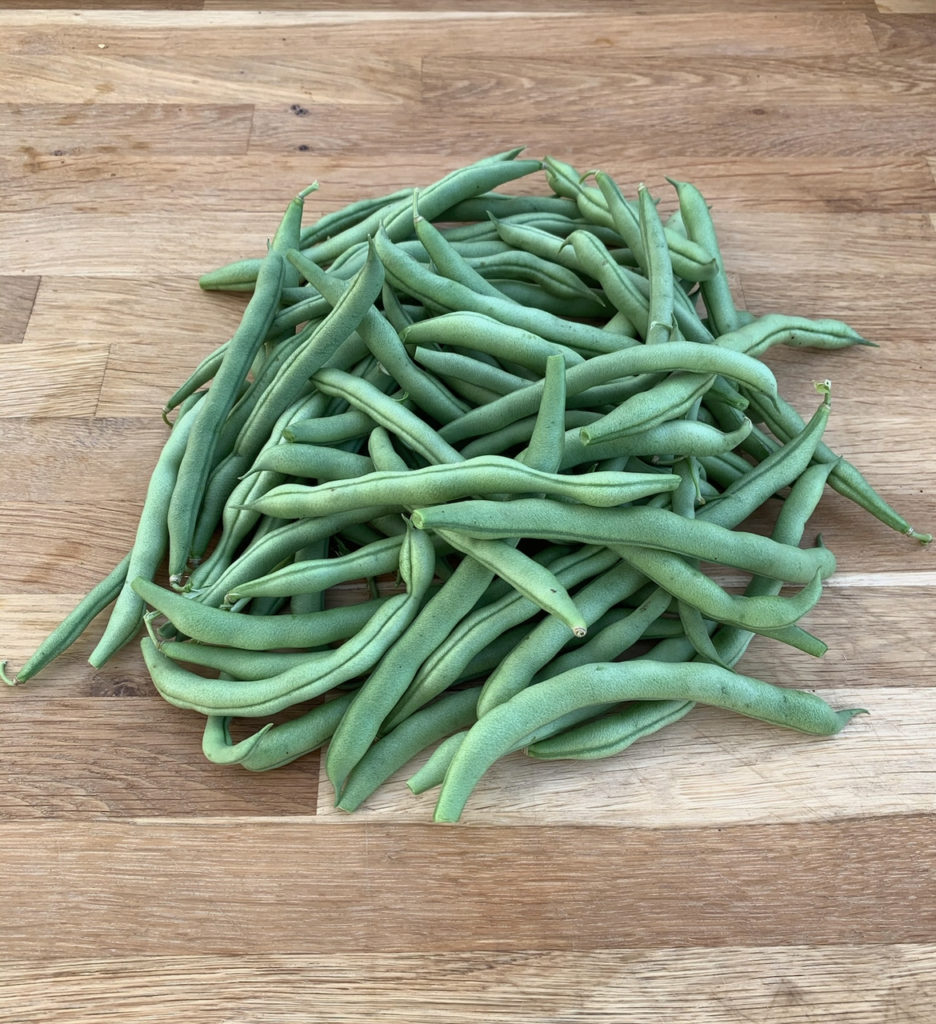
Green beans, also known as string beans or snap beans, are slender, elongated pods that are harvested when young and tender. They have a crisp and crunchy texture with a bright, fresh flavor. Green beans can range in color from vibrant green to yellow, and they are a popular vegetable used in various cuisines worldwide. Whether sautéed, steamed, roasted, or included in salads, stir-fries, or casseroles, green beans provide a satisfying and versatile addition to meals.
Green beans should be used sooner versus later. Place the unwashed green beans in a bag or a container lined with a dry paper towel to absorb excess moisture. Leave the bag slightly open or use a container with ventilation to allow for some airflow. Store the green beans in the refrigerator's crisper drawer, where they will stay fresh for up to a week. It's best to avoid washing the beans until you're ready to use them, as excess moisture can lead to spoilage.
These are Blue Lake Stringless beans. That means you only need to remove the stem end to enjoy. Rinse. Eat raw or cooked.
Freezing: Blanch the green beans by briefly boiling them in water, then transferring them to an ice bath to cool. Drain well and place the blanched beans in freezer-safe bags or containers. Label and date them before placing them in the freezer. Frozen green beans can be used in various cooked dishes such as soups, stews, and stir-fries.
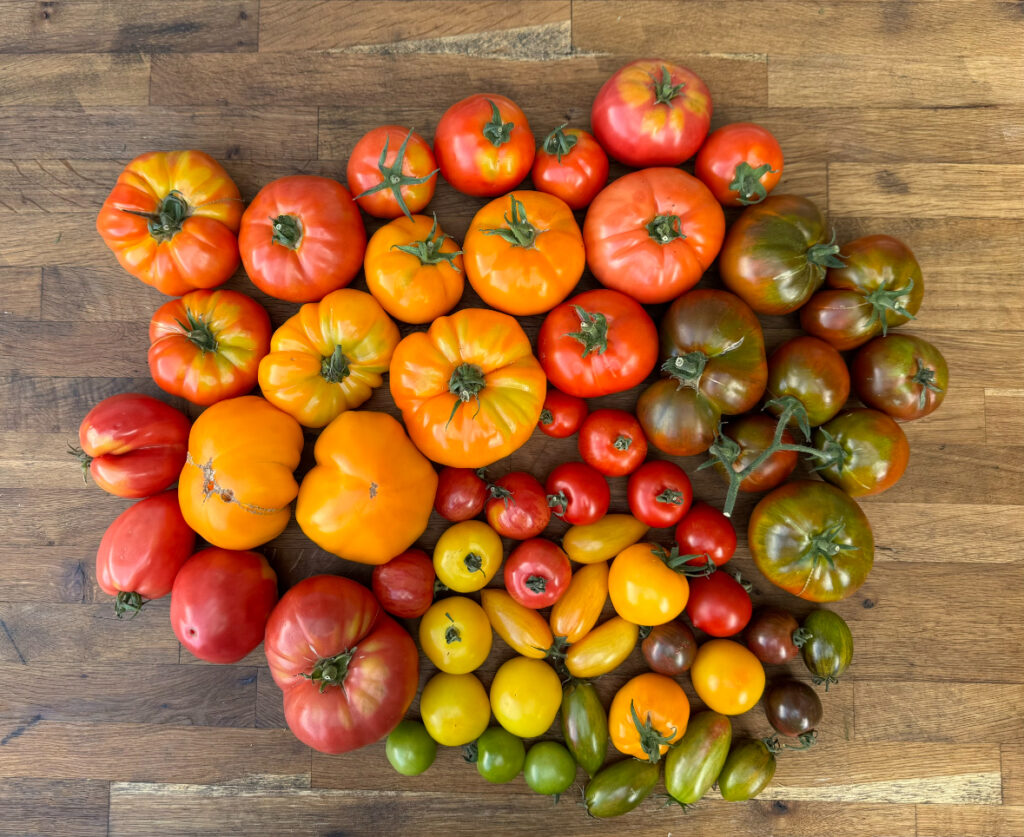
Heirloom tomatoes come in a rainbow of colors from deep red to golden yellow, green-striped, purple, and even nearly black, with flavors ranging from sweet and fruity to tangy and smoky. Their unique shapes and rich taste make them perfect for salads, sandwiches, roasting, or enjoying fresh.
Keep ripe, uncut tomatoes at room temperature, away from direct sunlight, in a single layer with the stem side up to prevent bruising. If tomatoes are not fully ripe, place them in a paper bag at room temperature to encourage ripening. Once fully ripe, you can transfer them to the refrigerator's vegetable drawer, but allow them to return to room temperature before consuming for optimal flavor. Avoid storing tomatoes in airtight containers, as this can lead to moisture buildup and affect their quality. Use tomatoes within a few days of ripening for the best taste and texture.
Rinse. Eat raw or cooked.
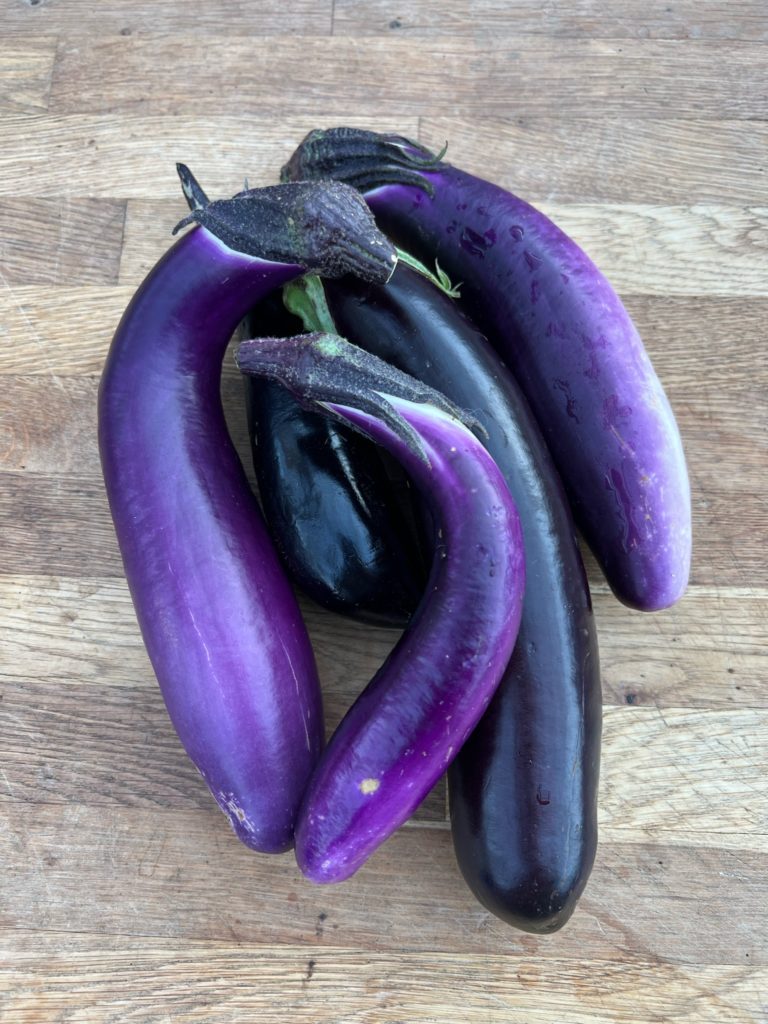
Japanese eggplant is a slender, elongated variety of eggplant commonly used in Asian cuisine. It features smooth, glossy skin that can range from deep purple to almost black, and its flesh is tender, creamy, and less bitter than larger eggplant varieties. It is incredibly versatile and can be grilled, roasted, stir-fried, or used in soups and stews. Its thin skin does not require peeling, and its mild taste absorbs sauces and seasonings beautifully, making it a favorite for dishes like miso-glazed eggplant, stir-fries, and curries.
To store Japanese eggplant, place it in a plastic bag or wrap it loosely in a paper towel and store it in the refrigerator's crisper drawer. This helps maintain its moisture and prevents it from becoming too dry. Ideally, use the eggplant within a week to ensure optimal freshness and flavor. Avoid storing it near ethylene-producing fruits like apples and bananas, as they can cause the eggplant to spoil more quickly. If the eggplant begins to soften or develop spots, it's best to use it immediately or discard it.
You can steam slices and freeze if you don't have time for them this week.
Rinse, remove the stem, and slice or chop as needed. Cook as desired.
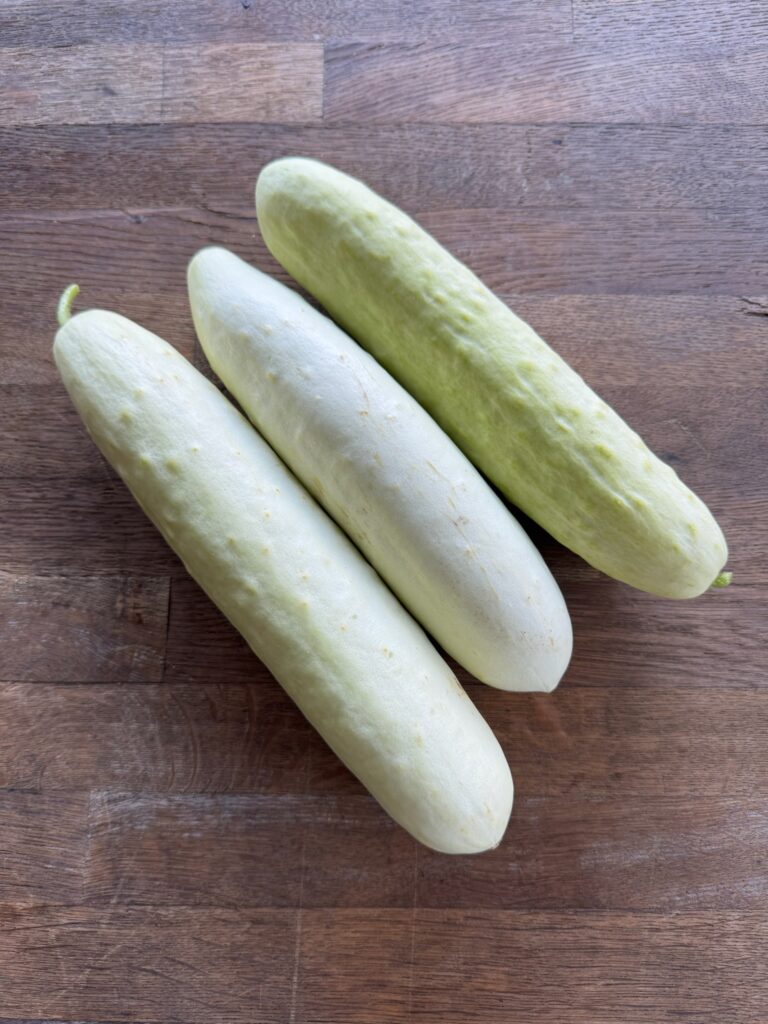
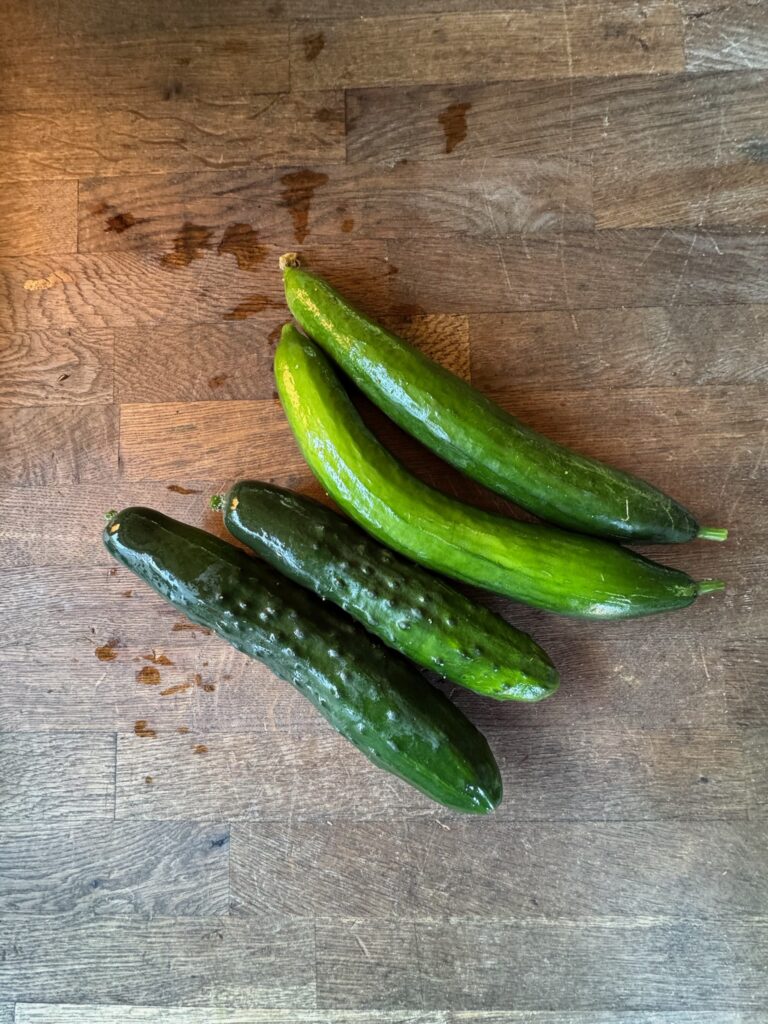
Itachi White cucumbers are long, slender cucumbers with pale white skin, crisp texture, and firm, juicy flesh. They are sweet, mild, and notably bitter-free, with small seed cavities. Itachi is excellent for fresh eating, but unlike many cucumbers, its firm flesh also holds up especially well to stir-frying. Fruits average about 9–11 inches long.
Please refrigerate.
Rinse. The tender skin is edible and does not need to be peeled. Eat raw or cooked.
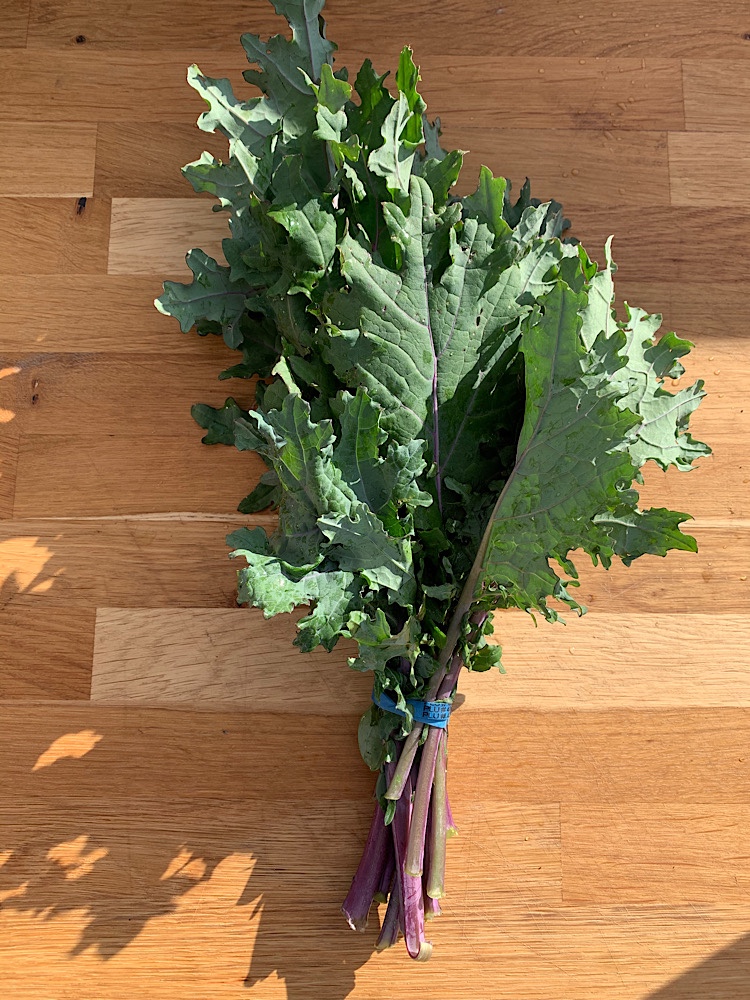
Kale, a leafy green vegetable renowned for its robust and earthy flavor, belongs to the Brassica family and stands as a nutritional powerhouse. Its slightly bitter, peppery taste lends itself well to a multitude of culinary applications, from hearty salads and smoothies to sautés and soups.
Rinse. Remove from stems because leaves cook faster. Chop or use whole leaves. Eat raw or cooked. If the kale starts to wilt, you can revive it by soaking the leaves in ice water for a few minutes before patting them dry and using as desired.
To store kale, place unwashed leaves in a container lined with a dry paper towel to absorb excess moisture. Seal the bag or container loosely to allow for some airflow. Store the bag in the refrigerator's crisper drawer, where it will stay fresh for a few days.
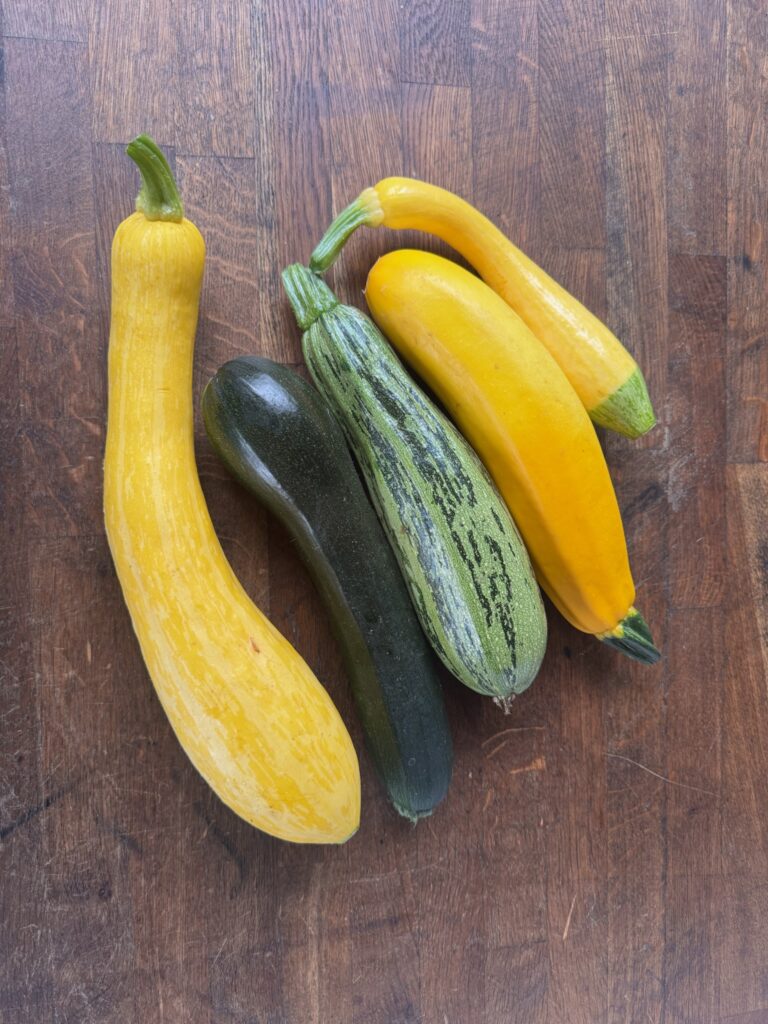
Summer squash refers to a variety of tender, edible gourds that are harvested during the summer months. They typically have a vibrant, yellow or green skin and a mild, slightly sweet flavor. Summer squash comes in various shapes, including elongated, cylindrical zucchini and round or bulbous varieties like pattypan and yellow crookneck squash. The flesh is tender and succulent, with a delicate texture that holds up well in both raw and cooked preparations.
Rinse. Eat raw or cooked.
Handle gently. The skin is thin and fragile. Keep on the counter and use within a week. If you aren't going to use them right away keep in the refrigerator.
The table below isn't very mobile friendly, so there's also a Google Sheet and a simple list below with the same information. Use whichever format you prefer. You can even add your own meal ideas and recipes through the Google Sheet!
| Meal Idea | Use This Week’s Produce | Protein Ideas | Carb Ideas | Sauce / Seasoning |
|---|---|---|---|---|
| Stir-Fry | Japanese eggplant, green beans, summer squash, Red Russian kale | Chicken, tofu, shrimp | Rice, noodles | Soy-garlic sauce, ginger, lime |
| Soup | Heirloom tomatoes, Japanese eggplant, Red Russian kale, green beans | White beans, shredded chicken, lentils | Crusty bread, potatoes | Basil, oregano, black pepper, parmesan |
| Pasta | Heirloom tomatoes, purple basil, summer squash, Japanese eggplant | Italian sausage, chicken, cannellini beans | Pasta | Tomato basil sauce, garlic, olive oil |
| Grain Bowl | Summer squash, green beans, cucumbers, Red Russian kale | Salmon, tofu, chickpeas | Brown rice, quinoa, farro | Lemon tahini dressing, cumin, parsley |
| Salad | Cucumbers, Itachi white cucumbers, heirloom tomatoes, purple basil | Feta, grilled chicken, chickpeas | Pita, crackers, sourdough | Balsamic vinaigrette, cracked pepper, olive oil |
| Wraps | Cucumbers, Red Russian kale, summer squash, green beans | Turkey, chicken, black beans | Tortillas, flatbread, pita | Garlic aioli, ranch, herb yogurt sauce |
| Noodle Bowl | Japanese eggplant, green beans, Red Russian kale, summer squash | Beef, tofu, shrimp | Rice noodles, soba, ramen | Peanut lime sauce, chili crisp, garlic |
| Hash | Summer squash, Japanese eggplant, green beans, Red Russian kale | Eggs, sausage, black beans | Potatoes, toast | Smoked paprika, garlic powder, hot sauce |
| Egg Dish | Red Russian kale, purple basil, heirloom tomatoes, summer squash | Eggs, cheddar, bacon | Toast, roasted potatoes | Salsa, chives, black pepper |
| Flatbread | Heirloom tomatoes, purple basil, Japanese eggplant, summer squash | Mozzarella, ricotta, chicken | Flatbread, naan, pizza dough | Pesto, garlic oil, balsamic drizzle |