What's in the Box?! Week 1 Summer 2026

June 18, 2026
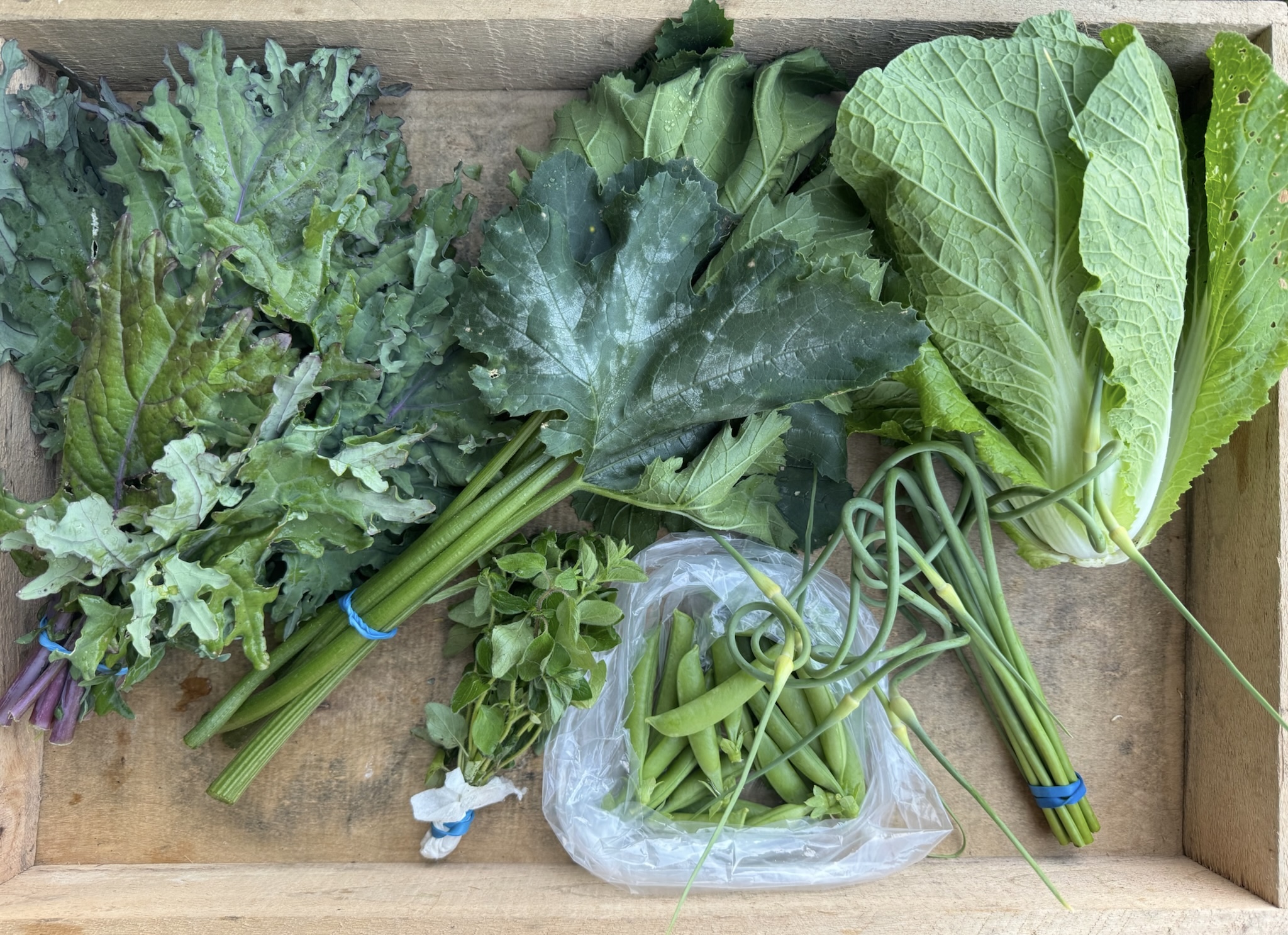
Chinese Cabbage, Garlic Scapes, Oregano, Red Russian Kale, Sugar Snap Peas, Squash Leaves and Stems
  • Chinese Cabbage: Ideal for adding crunch and a mild flavor, great in stir-fries, salads, and soups.
  • Garlic Scapes: Provide a mild garlic taste, perfect for stir-fries, pesto, or as a topping.
  • Oregano: Bold and earthy with a slightly peppery flavor. Great for seasoning roasted vegetables, pasta sauces, soups, and grilled meats.
  • Red Russian Kale: Sweet and tender with a mild, earthy flavor. Best raw in salads, sautéed, or blended into smoothies.
  • Sugar Snap Peas: Sweet and crisp, great for snacking. Also delicious sautéed, stir-fried, or tossed into pasta dishes.
  • Squash Leaves and Stems: Mild and slightly fuzzy, with a green, earthy taste. Best when chopped and sautéed or simmered in soups and curries.

    Meal Ideas

    It's the first delivery of the season! Huzzah!

    Earlier this week, our sheep knocked down the gate into the main CSA garden and, in what could not have been more than about 10 minutes, caused a heartbreaking amount of damage to many of the crops we had planned for the next few weeks of boxes.

    The sweet corn was topped, the kale and brassicas were heavily eaten, and much of what we had been counting on for our early CSA boxes was damaged. On top of that, this week’s heat cooked much of what we had growing in the greenhouse and caused crops like radishes, turnips, and Napa cabbages to bolt, making most of them unusable for boxes. One small silver lining is that we may still be able to harvest radish pods from the radishes later on.

    To be honest, we are pretty heartbroken and still a bit in shock. After an already challenging spring, this one really hurts.

    We are going to keep the CSA moving forward on schedule, but we want to be honest that the first few boxes will likely be lighter than we had hoped, and some produce may not be quite as nice as what we would normally want to send.

    The good news is that abundance is still on the way. The tomatoes are growing fast, squash is coming on, beans and cucumbers are growing, and later-season corn is still ahead of us. We are hopeful for what the season can still become.

    Thank you for supporting our little farm through both the joyful and heartbreaking moments. We are deeply grateful for your kindness and support as we figure out how to move forward.
    Chinese Cabbage

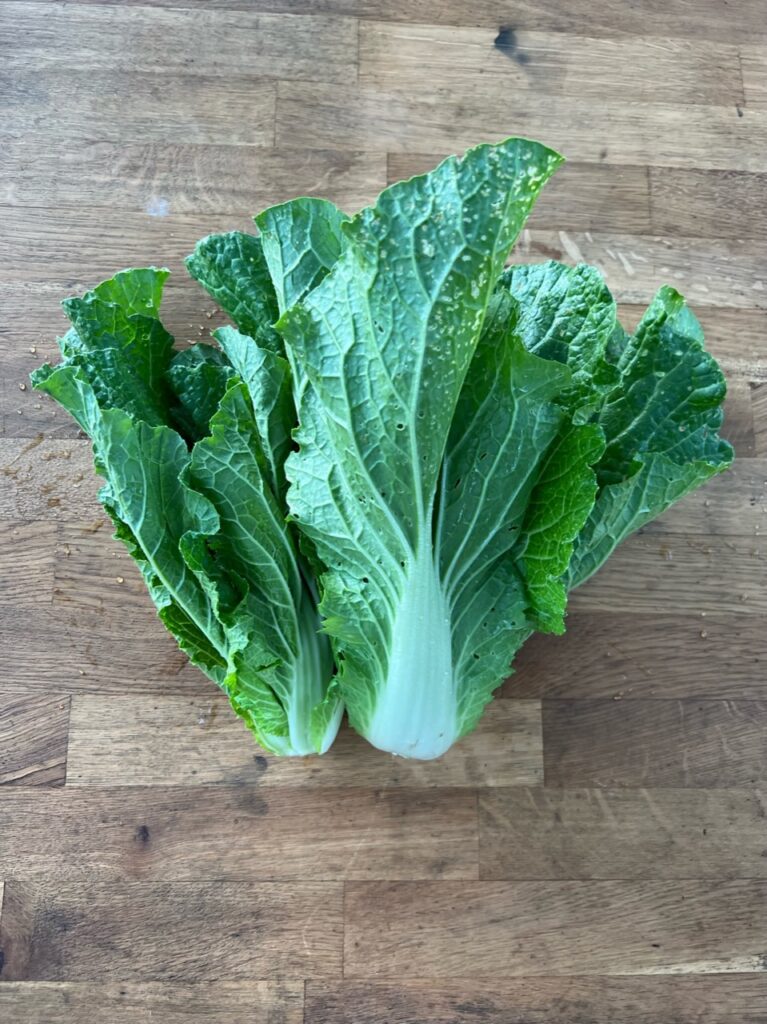
    Chinese cabbage is a leafy vegetable with crisp, green to white leaves. It has a mild and slightly sweet flavor, reminiscent of regular cabbage but milder and more delicate. The leaves are tender and have a pleasant crunch when raw, making them versatile for salads and wraps. When cooked, Chinese cabbage softens and absorbs flavors well, making it a popular choice for stir-fries, soups, and stews.

    Prep

    Rinse. Remove leaves from the base, chop or add whole leaves. Eat raw or cooked. If the leaves start to wilt, you can revive it by soaking the leaves in ice water for a few minutes before patting them dry and using as desired.

    Storing

    Keep the cabbage whole or chop it into smaller pieces if desired. Next, place it in a plastic bag with a paper towel or cloth to maintain moisture while allowing airflow. Alternatively, you can store it in the crisper drawer of your refrigerator. Chinese cabbage can stay fresh for up to a week when stored properly. Avoid washing the cabbage before storing, as moisture can speed up spoilage. Remember to check on it regularly and discard any leaves that show signs of decay.
    How to use:

    • Stir-fries: Chinese cabbage works well in stir-fries. Cut the cabbage into thin strips or bite-sized pieces and stir-fry it with your choice of protein, such as chicken, beef, or tofu, along with other vegetables and seasonings. The cabbage adds a mild, slightly sweet flavor and a pleasant crunch to the dish.
    • Soups and stews: Chinese cabbage is a great addition to soups and stews. Add it to hot broths along with other vegetables, noodles, and proteins. The cabbage will soften slightly while retaining its texture and impart a delicate flavor to the soup.
    • Salads: Chinese cabbage can be used as a base for refreshing salads. Shred or chop the cabbage finely and combine it with other vegetables, such as carrots, cucumbers, and bell peppers. Toss with your favorite dressing and enjoy.
    • Kimchi: Nappa cabbage is normally used but Chinese cabbage is a great ingredient in making kimchi, a traditional Korean fermented side dish. It is typically sliced, salted, and mixed with spices, garlic, ginger, and other ingredients, then left to ferment for a period of time. The resulting kimchi is flavorful and tangy, with a slight heat.
    • Wraps and rolls: Use the large, outer leaves of Chinese cabbage as wraps for filling, you can use rice paper too for a sturdier wrap. Fill the leaves with your choice of fillings, such as grilled chicken, shrimp, or vegetables, and roll them up tightly.

    Recipes

    Garlic Scapes

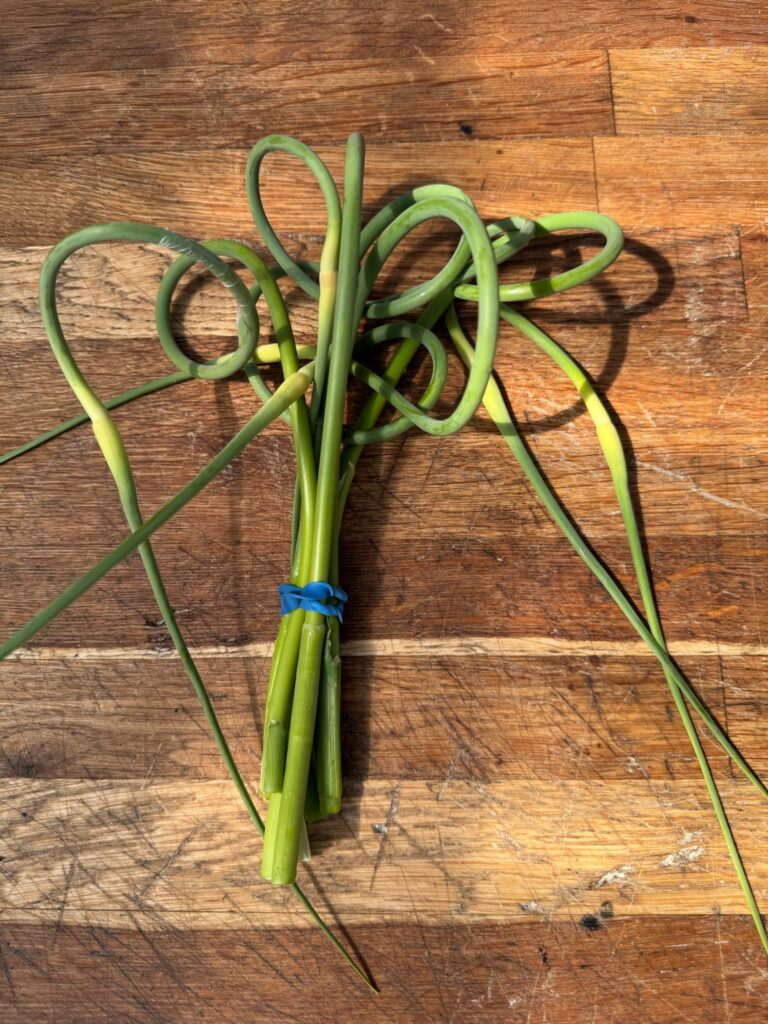
    Garlic scapes are the tender, curly green shoots that grow from the hardneck garlic bulb. They have a mild, sweet garlic flavor, making them a versatile ingredient in many dishes. Garlic scapes can be used raw in salads or pestos, sautéed as a side dish, or blended into sauces and dips. Garlic scapes can be used in many of the same ways as scallions, green onions, or asparagus. 

    Prep

    Rinse. Eat raw or cooked.

    Storing

    In the fridge: Place garlic scapes in a plastic bag or in an airtight container with a damp paper towel. Alternatively, you can store them in a brown paper bag, where they can last for a couple of months. Using a plastic bag can help contain their strong garlic aroma, preventing it from spreading throughout your fridge.

    On the counter: Store garlic scapes in a glass of cool water for a few days, making sure to change the water daily to keep them fresh.
    How to use:

    • Pesto: Blend garlic scapes with olive oil, nuts, Parmesan cheese, and a bit of lemon juice to create a fresh and aromatic pesto. This can be used as a sauce for pasta, a spread for sandwiches, or a topping for grilled meats and vegetables.
    • Stir-Fry: Chop garlic scapes into bite-sized pieces and stir-fry them with other vegetables, meats, or tofu. Their subtle garlic flavor pairs well with soy sauce, ginger, and sesame oil.
    • Grilled: Toss garlic scapes in olive oil, salt, and pepper, then grill them until they are tender and slightly charred. They make a delicious side dish or can be added to salads and grain bowls.
    • Roasted: Toss garlic scapes with olive oil, salt, and pepper, then roast them in a hot oven until tender and slightly caramelized. The roasting process enhances their natural sweetness and develops a subtle garlic flavor, making them a flavorful addition to any meal.
    • Pickled: Preserve garlic scapes by pickling them in a vinegar brine with spices. Pickled scapes are tangy and crisp, perfect for adding to sandwiches, salads, or as a savory snack.
    • Salads: Thinly slice garlic scapes and add them raw to salads for a mild garlic flavor and a crunchy texture. They complement leafy greens, tomatoes, and cucumbers well.
    • Soup: Use chopped garlic scapes as a base for soups and broths. They add a gentle garlic essence that enhances the flavor of the soup without overpowering it.
    • Egg Dishes: Sauté chopped garlic scapes and add them to scrambled eggs, omelets, or frittatas. Their mild flavor pairs wonderfully with eggs and other breakfast ingredients.
    • Compound Butter: Mix finely chopped garlic scapes into softened butter along with some herbs. This flavorful butter can be used to top steaks, spread on bread, or melt over steamed vegetables.

    Recipes

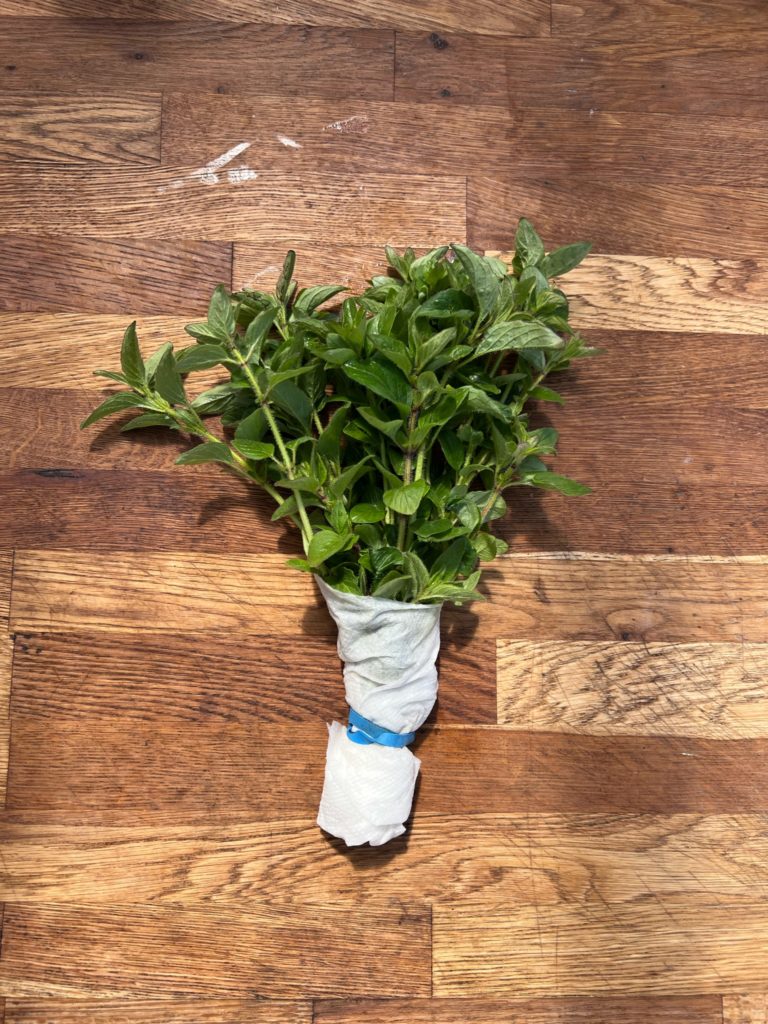
    Oregano

    Oregano has a strong and aromatic flavor with warm and slightly bitter undertones. The taste can be described as pungent, earthy, and slightly peppery. The aroma of oregano is also quite distinctive, reminiscent of a mixture of mint, thyme, and woodsy notes. The flavor of oregano pairs well with tomato-based dishes, grilled meats, roasted vegetables, and Mediterranean cuisine in general.

    Prep

    Rinse. Remove leaves from stems, chop or add whole leaves. Eat raw or cooked.

    Storing

    It's best to use it within a few days for optimal flavor. To store it, wrap the fresh oregano in a damp paper towel and place it in a plastic bag. Store the bag in the refrigerator's crisper drawer, where it will stay fresh for a few days.
    Preserving

    • Drying: tie small bundles of oregano sprigs together and hang them upside down in a dry, well-ventilated area away from direct sunlight. Once the leaves are completely dry and brittle, remove them from the stems and store them in an airtight container.
    • Freezing: strip the leaves from the stems, wash and dry them thoroughly, and place them in a freezer bag or an airtight container. Keep the container in the freezer and use as needed. Frozen oregano may lose some of its texture but will retain its flavor.

    How to use:

    • Seasoning for meats: Sprinkle oregano on grilled or roasted meats, such as chicken, lamb, or beef.
    • Pasta sauces: Add oregano to tomato-based pasta sauces for a savory and aromatic note. It pairs well with tomatoes and garlic.
    • Pizza topping: Sprinkle oregano over your homemade or store-bought pizza for a classic herbaceous flavor.
    • Marinades and dressings: Incorporate oregano into marinades for chicken, fish, or vegetables, or use it in homemade salad dressings for an extra layer of flavor.
    • Roasted vegetables: Toss chopped vegetables, such as potatoes, carrots, or zucchini, with olive oil, salt, pepper, and a sprinkle of oregano before roasting in the oven.
    • Mediterranean dishes: Oregano is commonly used in Mediterranean cuisine. Use it in Greek or Italian dishes, like Greek salads, tzatziki sauce, or tomato-based sauces for pasta or lasagna.
    • Herbed butter or oil: Mix finely chopped fresh oregano with softened butter or olive oil, and use it as a spread for bread or as a flavor enhancer for cooked vegetables.
    • Infused vinegar: Add dried oregano to vinegar, such as red wine vinegar or apple cider vinegar, and let it infuse for a few weeks. Use the infused vinegar in dressings or as a condiment.

    Recipes

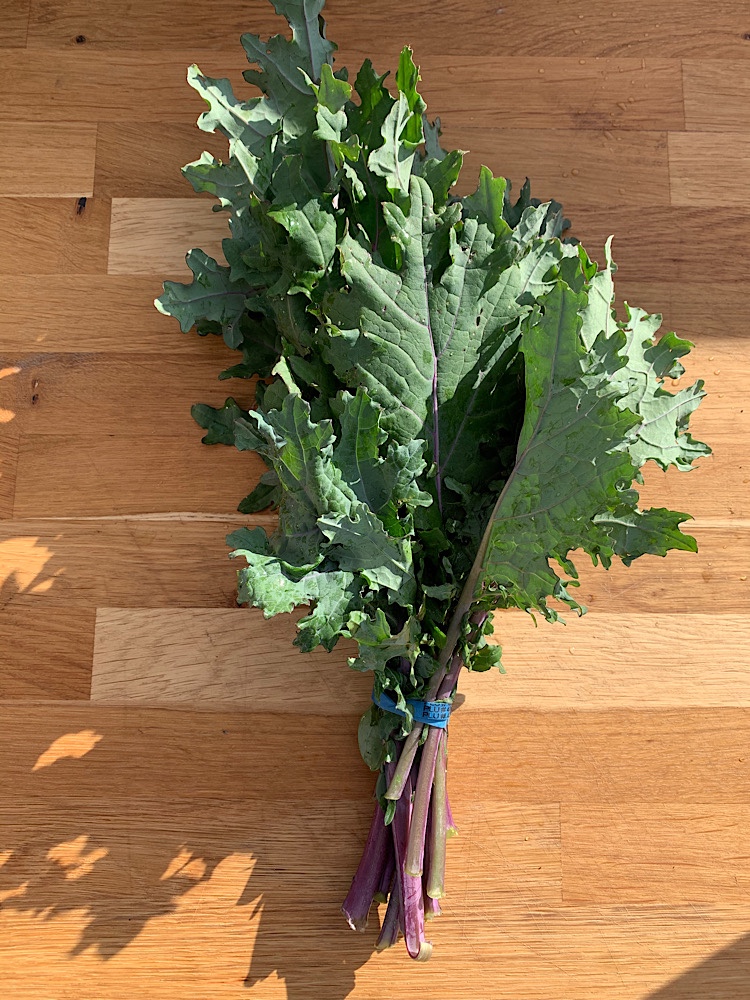
    Red Russian Kale

    Kale, a leafy green vegetable renowned for its robust and earthy flavor, belongs to the Brassica family and stands as a nutritional powerhouse. Its slightly bitter, peppery taste lends itself well to a multitude of culinary applications, from hearty salads and smoothies to sautés and soups.

    Prep

    Rinse. Remove from stems because leaves cook faster. Chop or use whole leaves. Eat raw or cooked. If the kale starts to wilt, you can revive it by soaking the leaves in ice water for a few minutes before patting them dry and using as desired.

    Storing

    To store kale, place unwashed leaves in a container lined with a dry paper towel to absorb excess moisture. Seal the bag or container loosely to allow for some airflow. Store the bag in the refrigerator's crisper drawer, where it will stay fresh for a few days.
    How to use:

    • In salads: Kale is a sturdy green that holds up well in salads. Try massaging the kale with some olive oil and lemon juice to make it more tender.
    • In smoothies: Kale adds a nutritious boost to smoothies. Try blending kale with frozen fruit and yogurt for a delicious and healthy breakfast.
    • In soups: Kale is a great addition to soups. Add it to vegetable soup or use it in place of spinach in a classic Italian minestrone.
    • In stir-fries: Kale works well in stir-fries. Add it to your favorite stir-fry recipe along with other vegetables and a protein.
    • In pasta dishes: Kale can be added to pasta dishes for a nutritious twist. Try tossing it with spaghetti, olive oil, and garlic for a simple yet satisfying meal.
    • In sandwiches and wraps: Use kale leaves as a healthy alternative to lettuce in sandwiches and wraps. They add a crunchy texture and a boost of nutrition.
    • In pesto: Use kale instead of basil in a classic pesto recipe. It adds a unique flavor and packs in extra nutrients.
    • In chips: Bake kale leaves in the oven with a little olive oil and salt for a healthy and delicious snack.

    Recipes

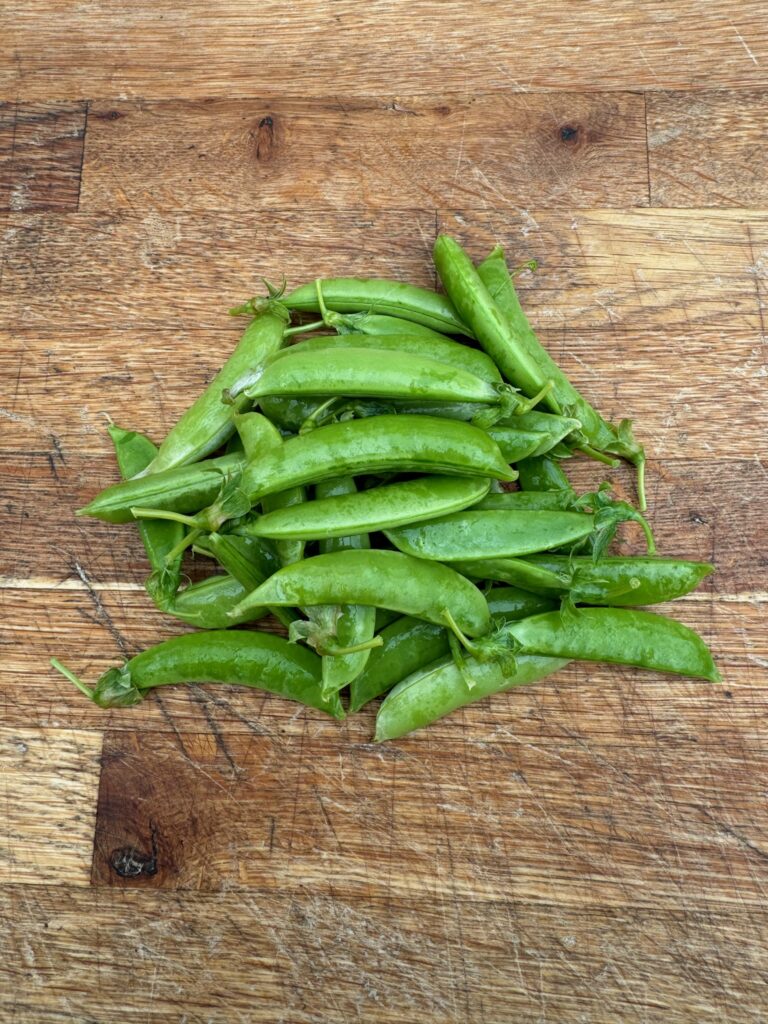
    Sugar Snap Peas

    Sugar snap peas are known for their sweet flavor and crunchy texture. Unlike other pea varieties, both the pod and peas inside are edible, making them convenient and enjoyable to eat raw or cooked. Sugar snap peas are bright green, with a plump, juicy interior that bursts with a fresh, mildly sweet taste reminiscent of garden peas. They are often enjoyed in salads, stir-fries, or simply as a snack on their own.

    Prep

    Sugar snap peas only need the stem end removed to enjoy. Rinse before eating. They can be eaten raw or cooked. Note that fuller pods might have some strings that need to be removed.

    Storing

    Sugar snap peas should be used sooner rather than later. Place the unwashed sugar snap peas in a bag or a container lined with a dry paper towel to absorb excess moisture. Leave the bag slightly open or use a container with ventilation to allow for some airflow. Store the sugar snap peas in the refrigerator's crisper drawer.
    How to use:

    • Snacks: Enjoy sugar snap peas raw as a crunchy, healthy snack on their own or with dips like hummus or ranch.
    • Stir-Fries: Add sugar snap peas to stir-fries for a crisp texture and sweet flavor. They cook quickly, so add them near the end of cooking.
    • Salads: Toss raw or lightly blanched sugar snap peas into salads for a fresh, sweet crunch.
    • Side Dish: Steam or sauté sugar snap peas with a little garlic and olive oil for a simple, tasty side dish.
    • Soups: Add sugar snap peas to soups for a bright, crisp vegetable component.
    • Pasta: Include sugar snap peas in pasta dishes for a pop of color and a sweet, crisp bite. They can be added to both hot and cold pasta salads.
    • Roasting: Toss sugar snap peas with olive oil, salt, and pepper, then roast them in the oven until tender.

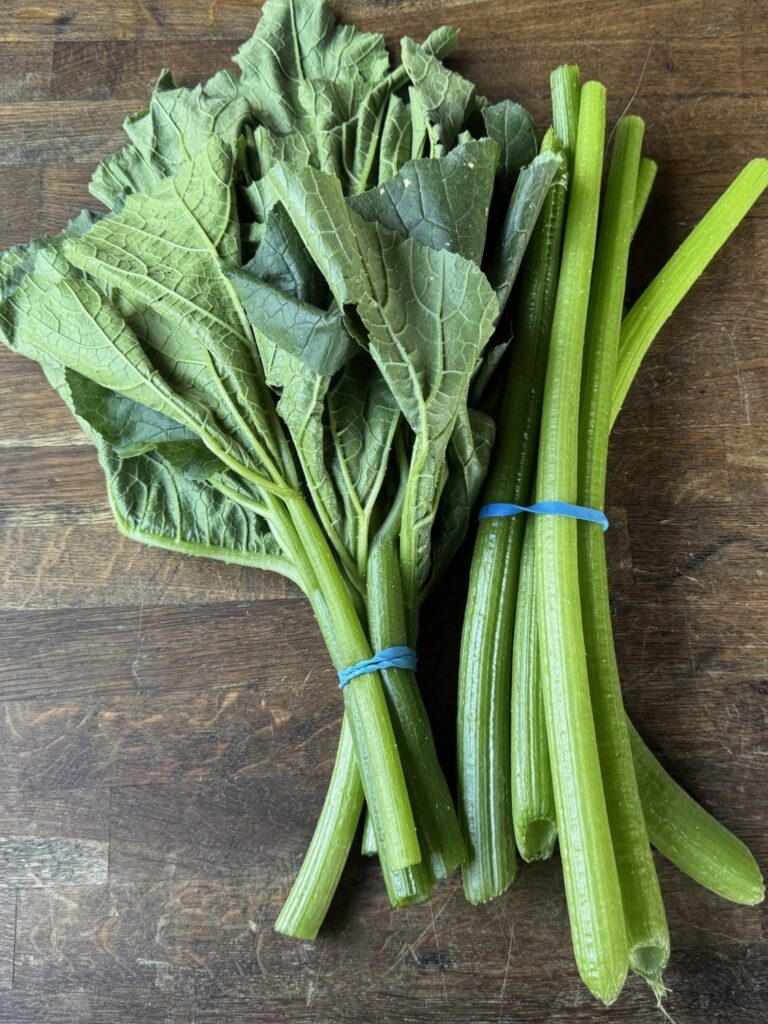
    Squash Leaves and Stems

    Squash leaves and stems are edible parts of the squash plant often used in traditional cooking across many cultures. The leaves are broad and tender with a mild slightly grassy flavor. The stems are hollow and mildly sweet with a pleasant crunch. Both need to be prepped by removing any tough fibers or spines and are best cooked to soften their texture. They are commonly sautéed stir fried or added to soups and stews. Squash greens pair well with garlic onions and coconut milk and are a great way to use more of the plant during the growing season.

    Prep

    Rinse squash leaves and stems well to remove dirt and tiny spines. Trim off any tough or woody parts of the stems and peel off any fibrous outer layers if needed. Chop into bite-sized pieces. Blanching briefly in boiling water can help soften them before adding to stir-fries, soups, or stews. Cooking them tames their slightly fuzzy texture and brings out their mild, earthy flavor.

    If the leaves start to wilt, you can revive it by soaking the leaves in ice water for a few minutes before patting them dry.

    Storing

    Gently wrap them in a slightly damp paper towel and place them in a loosely sealed plastic bag or airtight container. Store them in the refrigerator's crisper drawer to help maintain their freshness. It's essential to use them as soon as possible, preferably within a day or two, as they are delicate and can wilt quickly. Avoid washing the blossoms until you're ready to use them, as excess moisture can lead to spoilage. With proper storage, you can preserve the delicate flavor and vibrant appearance of squash blossoms for culinary delights in various dishes.

    How to use:

    • Sautéed Greens: Sauté squash leaves and tender stems with garlic and oil for a quick and flavorful side dish. Add a splash of lemon juice or soy sauce to brighten the flavor.
    • Soups and Stews: Add chopped squash greens and stems to soups and stews near the end of cooking. They wilt down like spinach and add a mild, earthy taste.
    • Stir-Fries: Toss squash leaves into stir-fries with other vegetables, noodles, or rice. They cook quickly and absorb sauces well.
    • Steamed: Steam the leaves and stems lightly and serve with a drizzle of olive oil and a sprinkle of salt. This method preserves their delicate texture.
    • Curries: Add squash leaves to coconut-based curries for a hearty, nourishing green. They hold up well to bold spices.

    Recipes

    Meal Ideas

    Meal TypeUse This Week’s ProduceProtein IdeasCarb IdeasSauce/Seasoning
    Stir-FryChinese cabbage, sugar snap peas, garlic scapes, squash stemsChicken, tofu, shrimpRice, noodlesSoy sauce, ginger, garlic, rice vinegar
    SoupChinese cabbage, red Russian kale, squash stems, garlic scapesWhite beans, chicken, lentilsBread, potatoesOregano, broth, lemon
    PastaGarlic scapes, red Russian kale, sugar snap peasChicken, sausage, white beansPastaOlive oil, Parmesan, oregano
    Grain BowlSautéed Chinese cabbage, red Russian kale, squash stems, sugar snap peasSalmon, tofu, chickpeasRice, quinoaLemon-herb sauce, tahini
    WrapChinese cabbage, red Russian kale, sugar snap peas, garlic scapesTurkey, chicken, tofuTortilla, flatbreadHummus, yogurt sauce
    Noodle BowlChinese cabbage, sugar snap peas, garlic scapesBeef, tofu, shrimpRice noodles, ramenPeanut sauce, soy-ginger sauce
    HashSquash stems, red Russian kale, garlic scapesEggs, sausage, beansPotatoesGarlic, paprika, hot sauce
    Egg DishChinese cabbage, red Russian kale, garlic scapesEggs, cheeseToast, potatoesOregano, black pepper
    CurryChinese cabbage, red Russian kale, sugar snap peasChickpeas, chicken, tofuRiceCurry paste, coconut milk, lime
    Roasted Veggie PlateSquash stems, sugar snap peas, red Russian kaleChicken, pork, tempehPotatoes, grainsGarlic, oregano, olive oil
  • linkedin facebook pinterest youtube rss twitter instagram facebook-blank rss-blank linkedin-blank pinterest youtube twitter instagram