A Note From Chris
The heat and smoky skies have made for a challenging few days on the farm. As much as we've felt the effects of the smoke, it's a small inconvenience compared to what many folks are experiencing. Our thoughts are with everyone affected by the wildfires, especially those who have had to evacuate or are facing uncertainty. We are also incredibly grateful to the firefighters, first responders, and everyone working tirelessly to protect our communities.
While it certainly feels like the middle of summer, we're starting to reach that point where the season begins its slow transition toward fall. The garden has been struggling with the sudden temperature swings, and we've seen something I honestly never thought I'd see.
The zucchini have actually stalled. Instead of trying to keep up with an endless supply, they’re struggling to produce fruit at all. Usually we’re racing through the patch trying to harvest them before they turn into 20-pound boats you could carve out and float down the river! This year has been the complete opposite. I’m not entirely sure what’s going on, but my best guess is that the long stretch of cool weather followed by this sudden heat has thrown them for a loop.
The tomatoes are being just as stubborn. The plants are absolutely loaded with beautiful green fruit, but they refuse to show even the slightest hint of ripening. Every walk through the garden starts with me searching for that first flash of red, orange, or yellow, only to find… more green tomatoes.
That’s farming. Every year brings a new surprise, and this season is certainly keeping us guessing. The good news is that once the tomatoes decide it’s finally time, we expect they’ll all ripen in a rush. We’re ready. The tomatoes just need to get the memo.
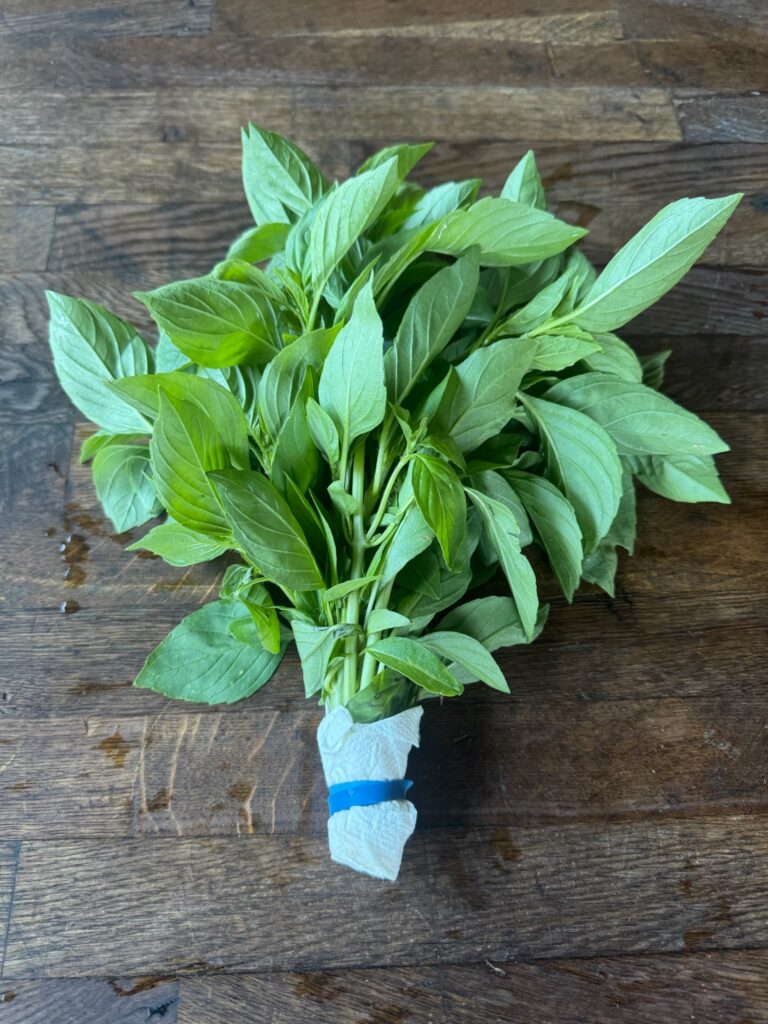
Lemon basil is a fragrant herb with bright green leaves and a refreshing citrus aroma. It has the sweet, peppery flavor of traditional basil with a distinct hint of lemon, making it perfect for both savory and sweet dishes. Lemon basil pairs especially well with tomatoes, seafood, chicken, vegetables, fruit, and fresh summer recipes, adding a light, fresh flavor to every bite.
In a glass of water: Trim the stems and any leaves that would be under water. Use them first. Place the basil in a glass of water, just like you would with flowers. Store the glass in the refrigerator for up to a week or keep near a window. If you leave it out, you can use the leaves and roots will grow. Change the water every few days. Soon you can plant in a pot and have your own basil plant!
Refrigerator: place basil in a plastic bag with a paper towel or cloth to maintain moisture while allowing airflow.
Rinse. Remove leaves from stems. Chop or use the whole leaf. Eat raw or cooked.
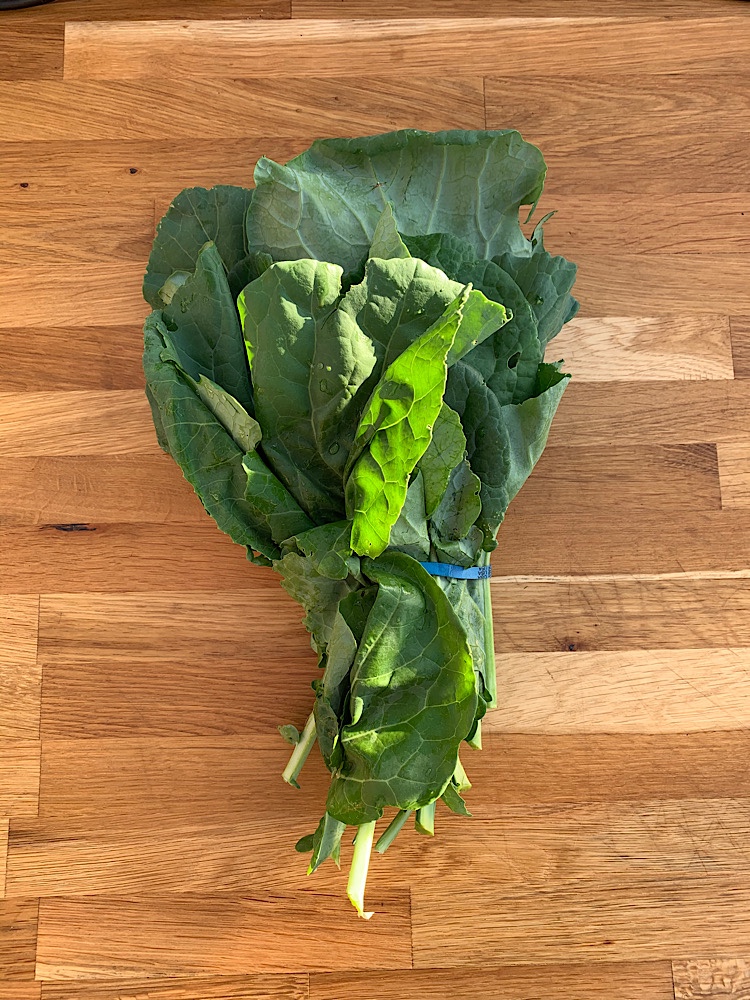
Collards are in the same family as cabbage, broccoli and cauliflower. A bitter green.
Rinse. Eat raw or cooked. Stems take longer to cook. I like to remove them and cook longer than leaves.
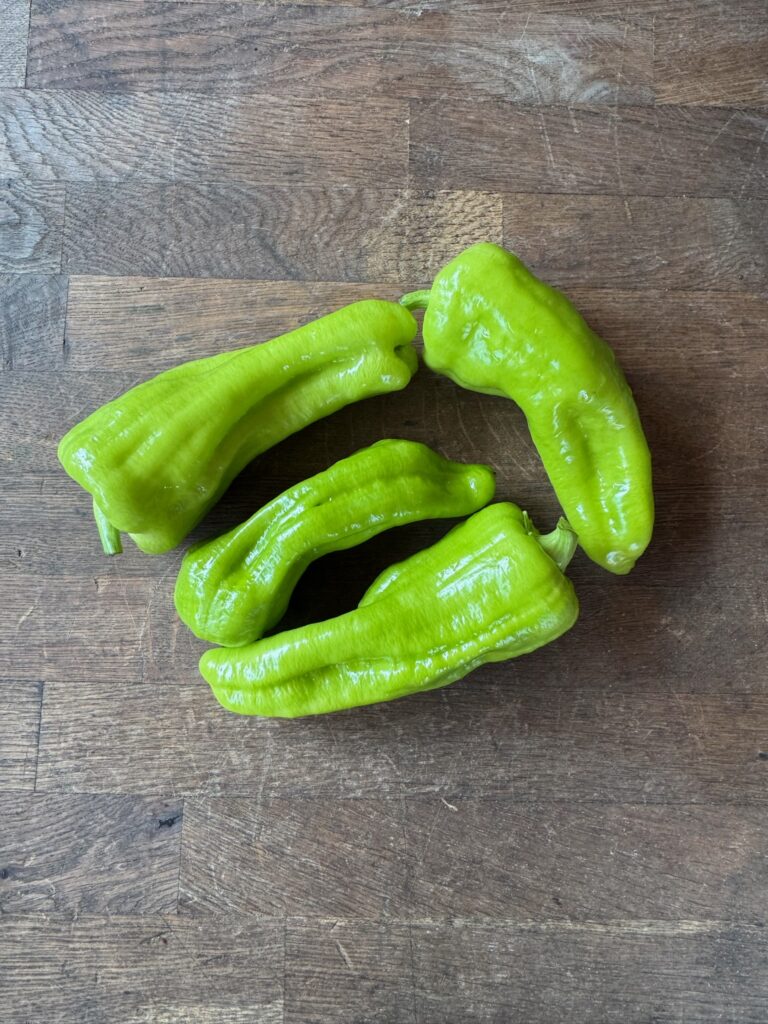
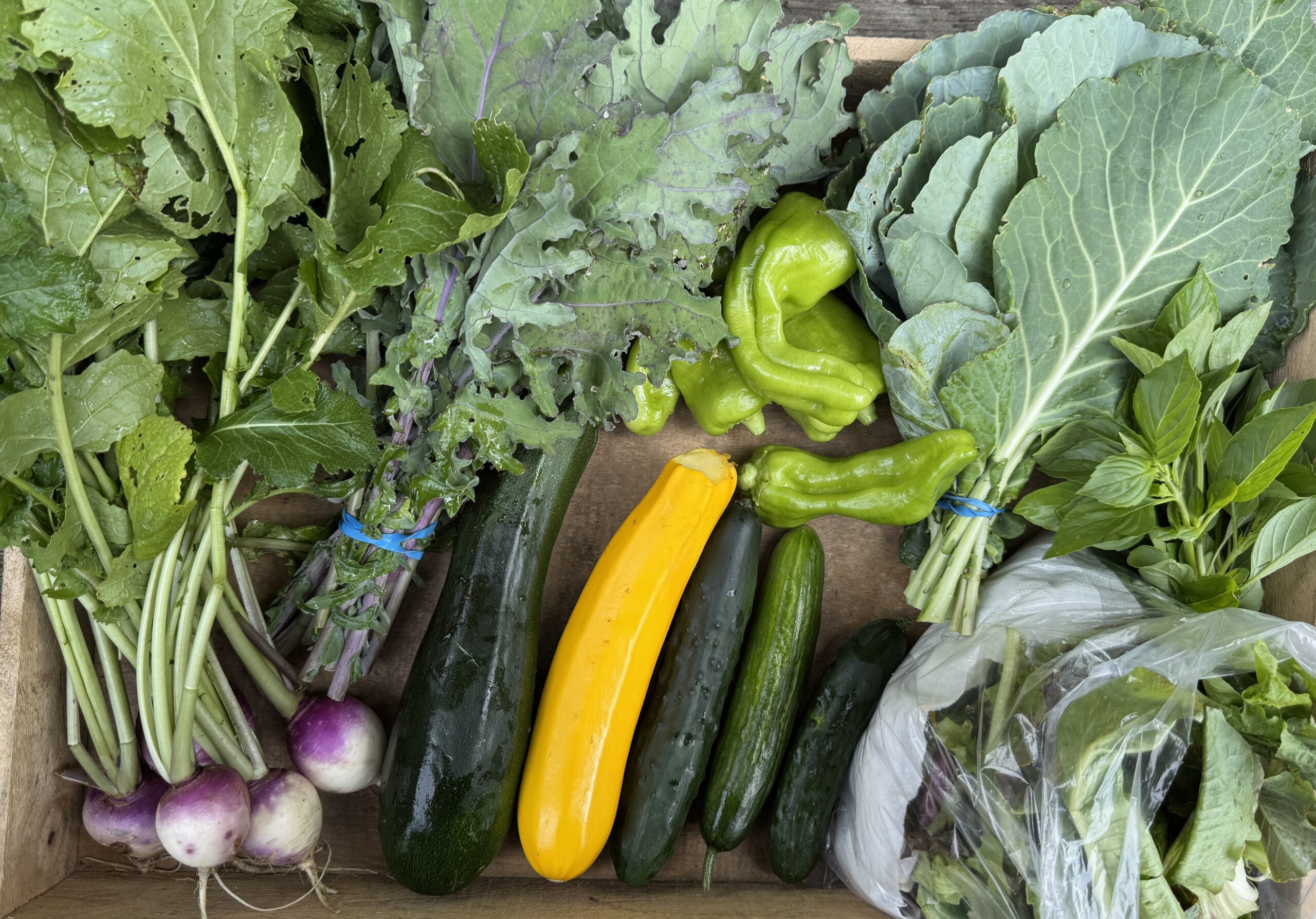
Cubanelle peppers are long, tapered sweet peppers with thin, tender walls and a mild, slightly fruity flavor. They are usually harvested while pale green or yellow-green but become sweeter as they ripen to orange or red. Their thin skin makes them especially suited for frying, sautéing, roasting, grilling, and stuffing. Cubanelle peppers can also be eaten raw when crisp and fresh.
Refrigerate unwashed peppers.
Rinse before using. Remove the stem, seeds, and inner membranes. Cubanelle peppers can be eaten raw or cooked. Their thin skin usually does not need to be removed, but roasting makes it easy to peel when desired.
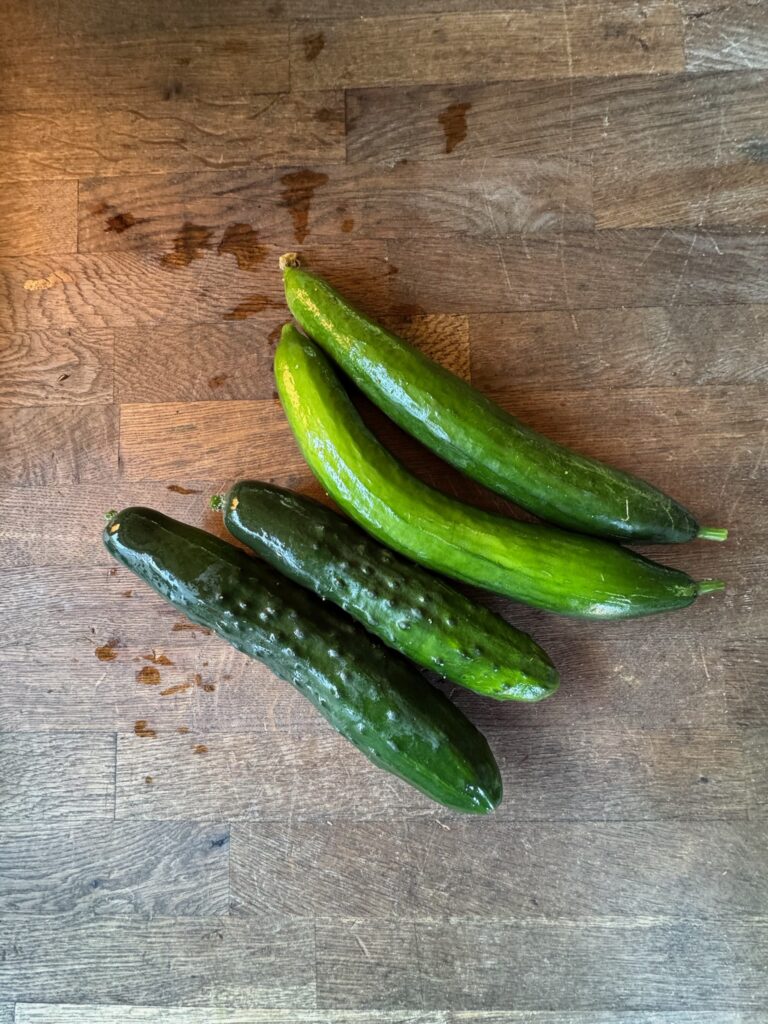
Cucumbers are a crisp and refreshing vegetable with a mild, subtly sweet flavor. They have a high water content, which gives them a hydrating and cooling quality. The flesh of cucumbers is pale green and juicy, with a crisp texture. They are commonly enjoyed fresh in salads, sandwiches, and wraps, or sliced as a refreshing snack.
Please refrigerate.
Rinse. Eat raw or cooked.
Pickling: To make refrigerator pickled cucumbers, start by washing and thinly slicing the cucumbers. Place the cucumber slices in a clean, sterilized jar or container. In a separate bowl, combine equal parts of water and vinegar (such as white vinegar or apple cider vinegar) along with salt and sugar to taste. Stir until the salt and sugar dissolve completely. You can also add spices like dill, garlic, mustard seeds, or red pepper flakes for extra flavor. Pour the vinegar mixture over the cucumber slices, making sure they are fully submerged. Place a lid or cover on the jar and refrigerate for at least 24 hours to allow the flavors to develop. The pickled cucumbers will keep well in the refrigerator for up to a few weeks, and they can be enjoyed as a tangy and refreshing snack or used as a topping for sandwiches, salads, or tacos.
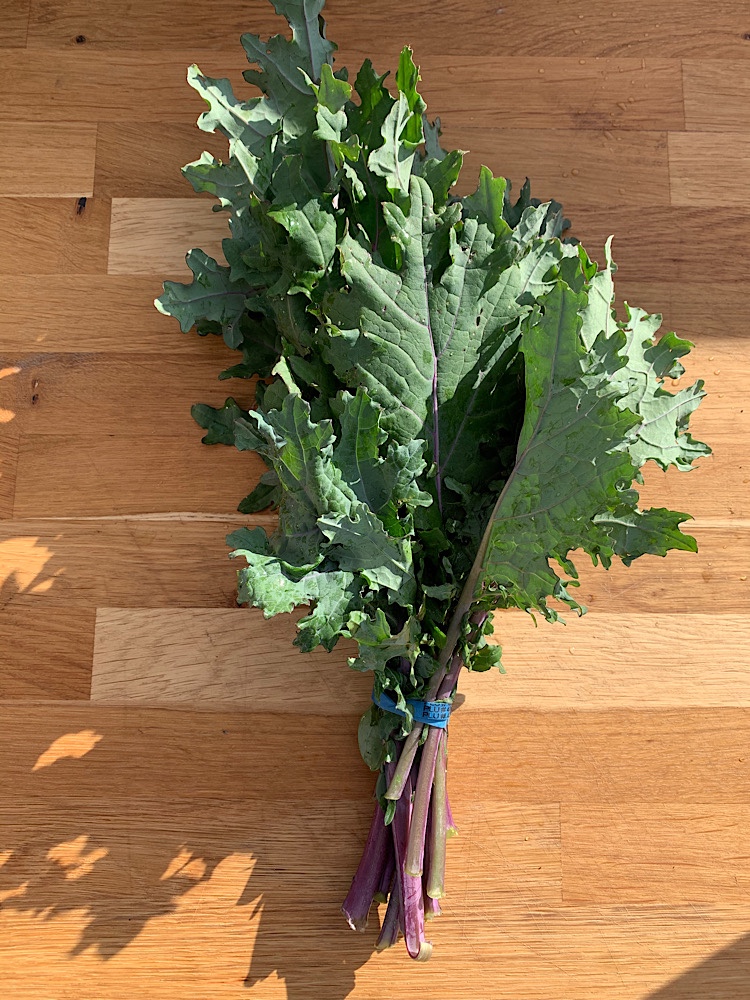
Kale, a leafy green vegetable renowned for its robust and earthy flavor, belongs to the Brassica family and stands as a nutritional powerhouse. Its slightly bitter, peppery taste lends itself well to a multitude of culinary applications, from hearty salads and smoothies to sautés and soups.
Rinse. Remove from stems because leaves cook faster. Chop or use whole leaves. Eat raw or cooked. If the kale starts to wilt, you can revive it by soaking the leaves in ice water for a few minutes before patting them dry and using as desired.
To store kale, place unwashed leaves in a container lined with a dry paper towel to absorb excess moisture. Seal the bag or container loosely to allow for some airflow. Store the bag in the refrigerator's crisper drawer, where it will stay fresh for a few days.
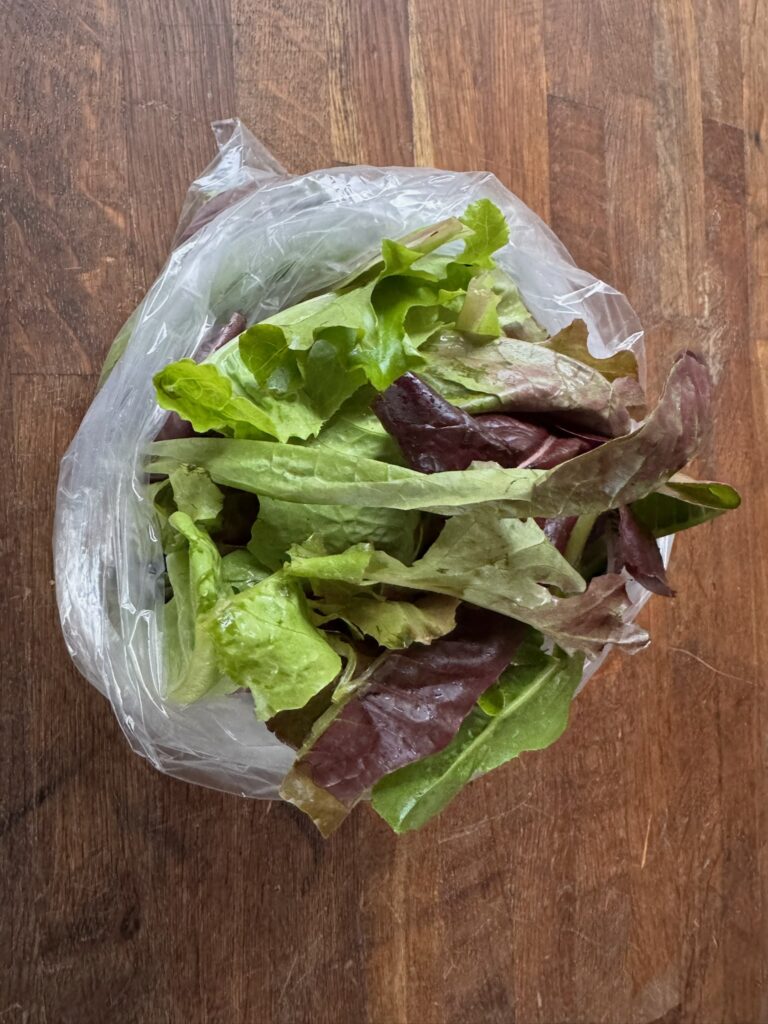
A fresh mix of baby greens, young lettuces. Each bite brings a balance of tender texture and varied flavors, mild, peppery, slightly sweet, or nutty depending on the blend. Great as a base or garnish, it is a quick way to add color and freshness to any meal.
These greens are not pre-washed and should always be washed before using. Chop or add whole leaves. Eat raw or cooked. If the lettuce starts to wilt, you can revive it by soaking the leaves in ice water for a few minutes before patting them dry and using as desired.
It's best to use it within a few days for optimal flavor. To store it, place unwashed leaves in a bag or a container lined with a dry paper towel to absorb excess moisture. Seal the bag or container loosely to allow for some airflow. Store the bag in the refrigerator's crisper drawer, where it will stay fresh for a few days.
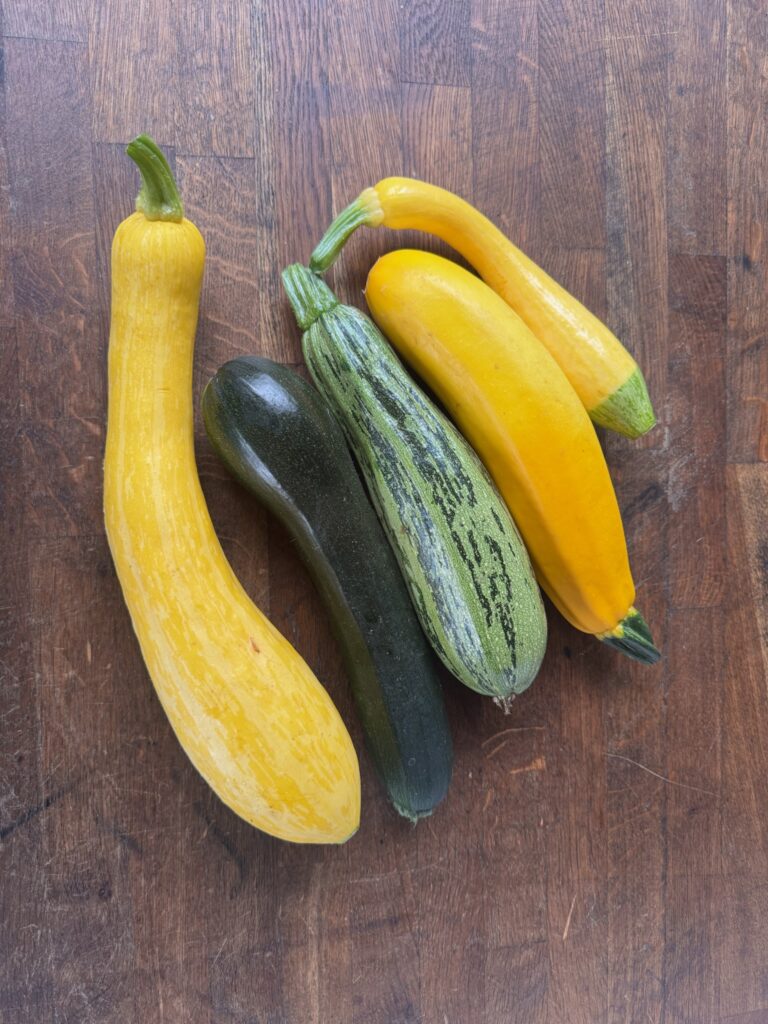
Summer squash refers to a variety of tender, edible gourds that are harvested during the summer months. They typically have a vibrant, yellow or green skin and a mild, slightly sweet flavor. Summer squash comes in various shapes, including elongated, cylindrical zucchini and round or bulbous varieties like pattypan and yellow crookneck squash. The flesh is tender and succulent, with a delicate texture that holds up well in both raw and cooked preparations.
Rinse. Eat raw or cooked.
Handle gently. The skin is thin and fragile. Keep on the counter and use within a week. If you aren't going to use them right away keep in the refrigerator.
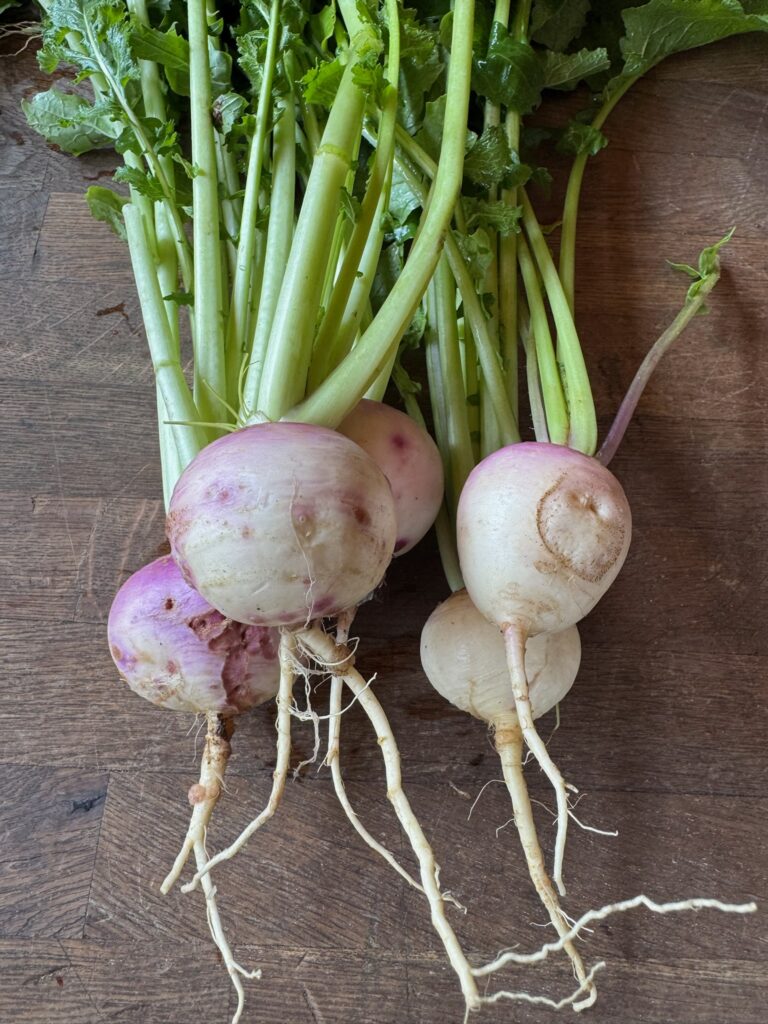
Turnip root and its leafy green tops. The root offers a mildly sweet, crisp, and earthy flavor with a white or purple-tinged skin, while the greens have a slightly peppery taste and a texture reminiscent of spinach or collard greens. The entire plant is edible. Turnip bulbs are often roasted, boiled, or mashed, while the greens can be sautéed, steamed, or used in soups and stews.
Rinse. The whole turnip is edible, leaves and root. Eat raw or cooked. If the leaves start to wilt, you can revive them by soaking in ice water for a few minutes before patting them dry and using as desired.
Store the turnips and greens separately.
It's best to use leaves within a few days for optimal flavor. To store it, place unwashed leaves in a container lined with a dry paper towel to absorb excess moisture. Seal the bag or container loosely to allow for some airflow. Store the bag in the refrigerator's crisper drawer, where it will stay fresh for a few days.
Turnip roots can keep for months in the refrigerator.
The table below isn't very mobile friendly, so there's also a Google Sheet and a simple list below with the same information. Use whichever format you prefer. You can even add your own meal ideas and recipes through the Google Sheet!
| Meal Idea | Use This Week’s Produce | Protein Ideas | Carb Ideas | Sauce / Seasoning |
|---|---|---|---|---|
| Stir-Fry | Cubanelle sweet pepper, summer squash, turnip greens, collard greens | Chicken, tofu, shrimp | Rice, noodles | Soy-garlic sauce, ginger, lime |
| Soup | Turnips with greens, collard greens, Red Russian kale, summer squash | White beans, chicken, lentils | Bread, crackers | Garlic, thyme, black pepper, lemon |
| Pasta | Basil lemon, summer squash, Red Russian kale, Cubanelle sweet pepper | Italian sausage, chicken, cannellini beans | Pasta | Lemon basil pesto, parmesan, olive oil |
| Grain Bowl | Turnips, summer squash, collard greens, cucumbers | Salmon, tofu, chickpeas | Rice, quinoa, farro | Tahini-lemon dressing, cumin, parsley |
| Salad | Salad mix, cucumbers, Basil lemon, thin-sliced turnips | Grilled chicken, feta, chickpeas | Crusty bread, pita | Balsamic vinaigrette, olive oil, cracked pepper |
| Wraps | Collard greens, cucumbers, Cubanelle sweet pepper, Red Russian kale | Turkey, chicken, black beans | Tortillas, pita | Hummus, ranch, yogurt herb sauce |
| Noodle Bowl | Summer squash, Cubanelle sweet pepper, Red Russian kale, turnip greens | Beef, shrimp, tofu | Rice noodles, soba | Peanut-lime sauce, chili crisp, garlic |
| Hash | Turnips, Cubanelle sweet pepper, summer squash, collard greens | Eggs, sausage, black beans | Potatoes, toast | Smoked paprika, garlic powder, hot sauce |
| Egg Dish | Red Russian kale, turnip greens, Cubanelle sweet pepper, Basil lemon | Eggs, feta, bacon | Toast, roasted potatoes | Garlic herb butter, black pepper, chives |
| Flatbread | Basil lemon, summer squash, Cubanelle sweet pepper, Red Russian kale | Mozzarella, chicken, ricotta | Flatbread, naan | Garlic oil, lemon, balsamic drizzle |