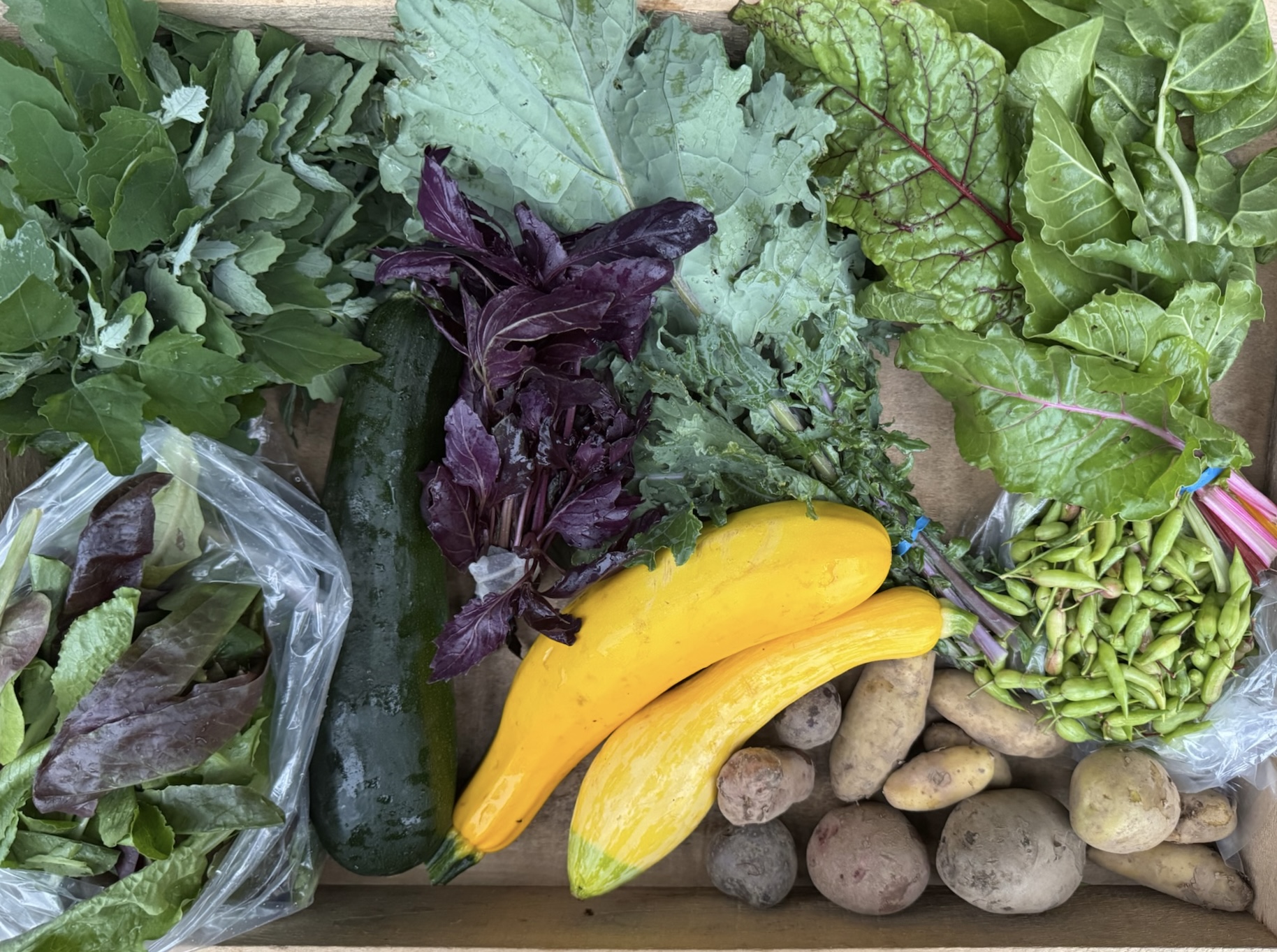
A Note From Chris
The past three days were hot and muggy. Ugh! Then today, a thunderstorm hung over us for hours, with plenty of thunder and lightning but very little actual rain. Everything is damp now, but still manageable. The storm also meant three very scared Great Pyrenees dogs, totaling about 350 pounds of fluff, all needing to be cuddled just when they had finally recovered from all the fireworks noise.
Still no tomatoes... well, except for a couple of overachievers. They just haven’t convinced their friends to join them yet.
The cucumbers are still taking their sweet time. The plants look fantastic and are covered in blooms, but we’re still waiting for them to start setting fruit. Hopefully, they’ll decide it’s time soon.
And we have salad mix! Very exciting. The starts had been struggling, and we were worried we might have to let them grow into head lettuce instead. Then, with the heat, we were worried they would bolt. Somehow, they pulled through.
Otherwise, it has been a never-ending battle to keep the weeds from taking over. This time of year, it feels like if you turn your back for a day, they’ve claimed another row. We’re slowly winning the fight, one bed at a time, and looking forward to all those healthy plants paying us back with an abundant harvest soon.

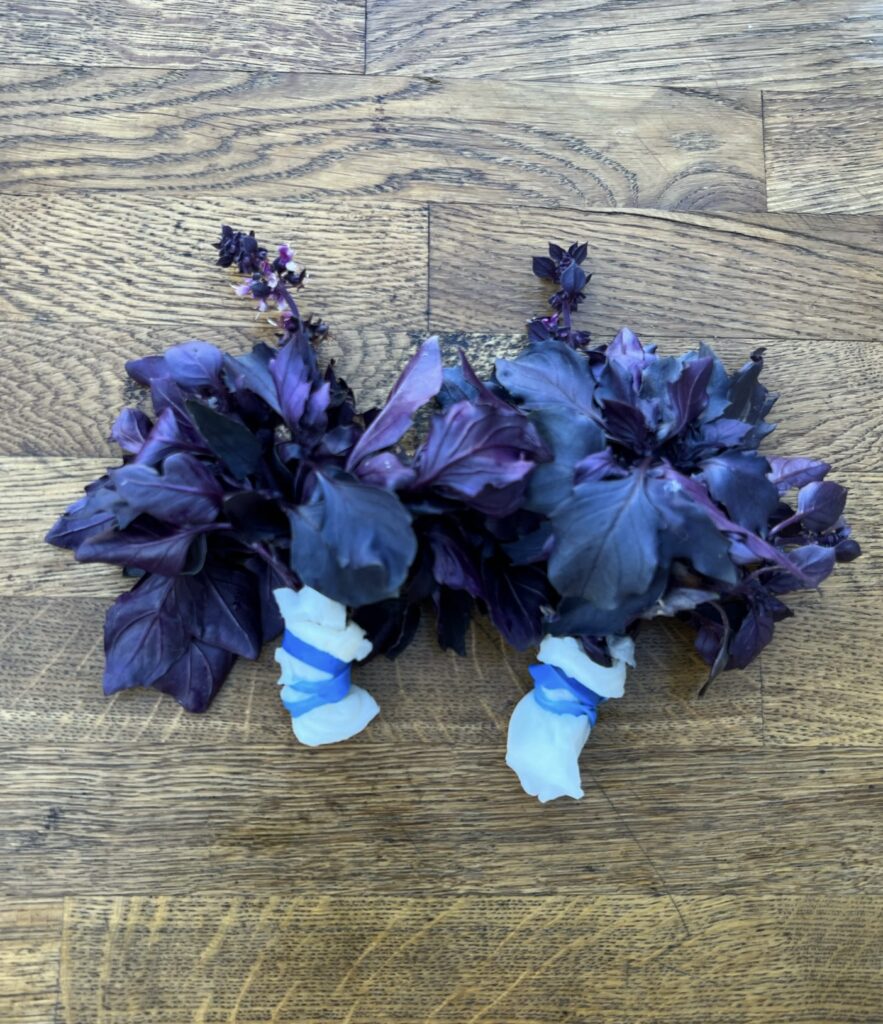
Purple basil boasts striking dark purple or burgundy leaves. Beyond its visual appeal, purple basil shares the same aromatic and slightly spicy fragrance as its green counterpart, but often carries subtle undertones of citrus or anise. The leaves can be used in a similar fashion to green basil, lending their unique color and flavor to dishes such as salads, pasta, sauces, and pestos.
In a glass of water: Trim the stems and any leaves that would be under water. Use them first. Place the basil in a glass of water, just like you would with flowers. Store the glass in the refrigerator for up to a week or keep near a window. If you leave it out, you can use the leaves and roots will grow. Change the water every few days. Soon you can plant in a pot and have your own basil plant!
Refrigerator: place basil in a plastic bag with a paper towel or cloth to maintain moisture while allowing airflow.
Rinse. Remove leaves from stems. Chop or use the whole leaf. Eat raw or cooked.
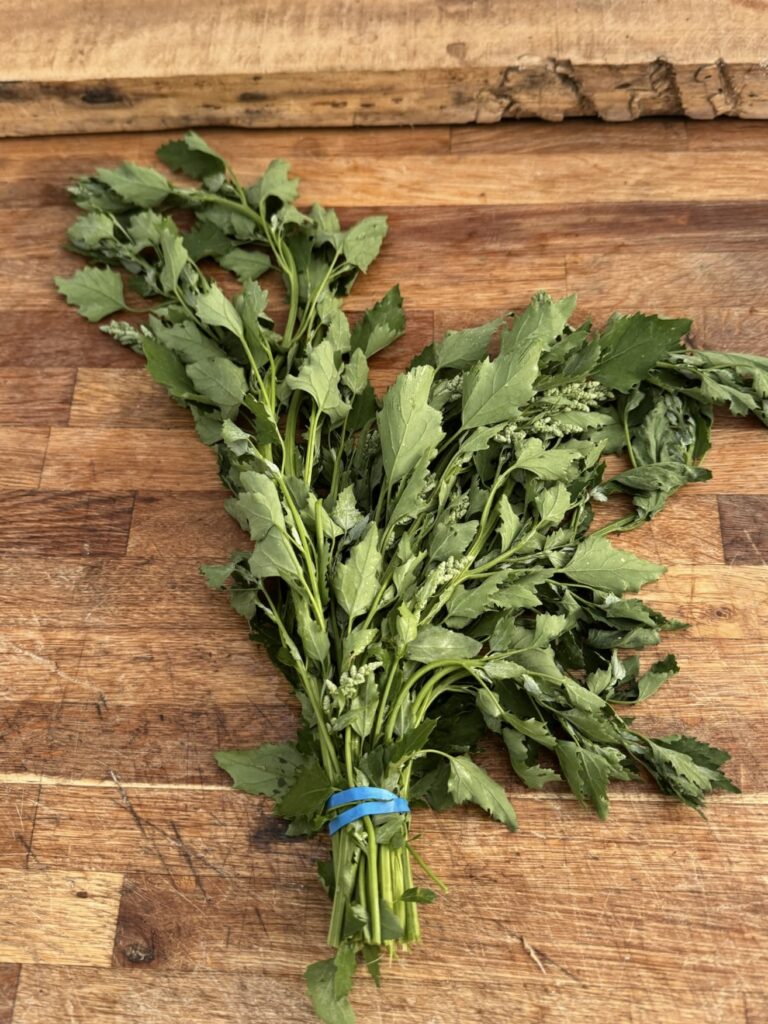
Lambsquarter, also known as wild spinach or goosefoot, is a leafy green plant related to spinach and beets. It has diamond-shaped leaves that often have a powdery coating and a mild, spinach-like flavor with a hint of earthiness. This versatile green can be used in salads, steamed, sautéed, or added to soups and stews. Packed with vitamins A, C, and K, as well as calcium and iron.
Rinse. Remove leaves from the steam, chop or add whole leaves. Eat raw or cooked. If the leaves starts to wilt, you can revive by soaking the leaves in ice water for a few minutes before patting them dry and using as desired.
It's best to use it within a few days for optimal flavor. To store it, place unwashed leaves in a bag or a container lined with a dry paper towel to absorb excess moisture. Seal the bag or container loosely to allow for some airflow. Store the bag in the refrigerator's crisper drawer, where it will stay fresh for a few days.
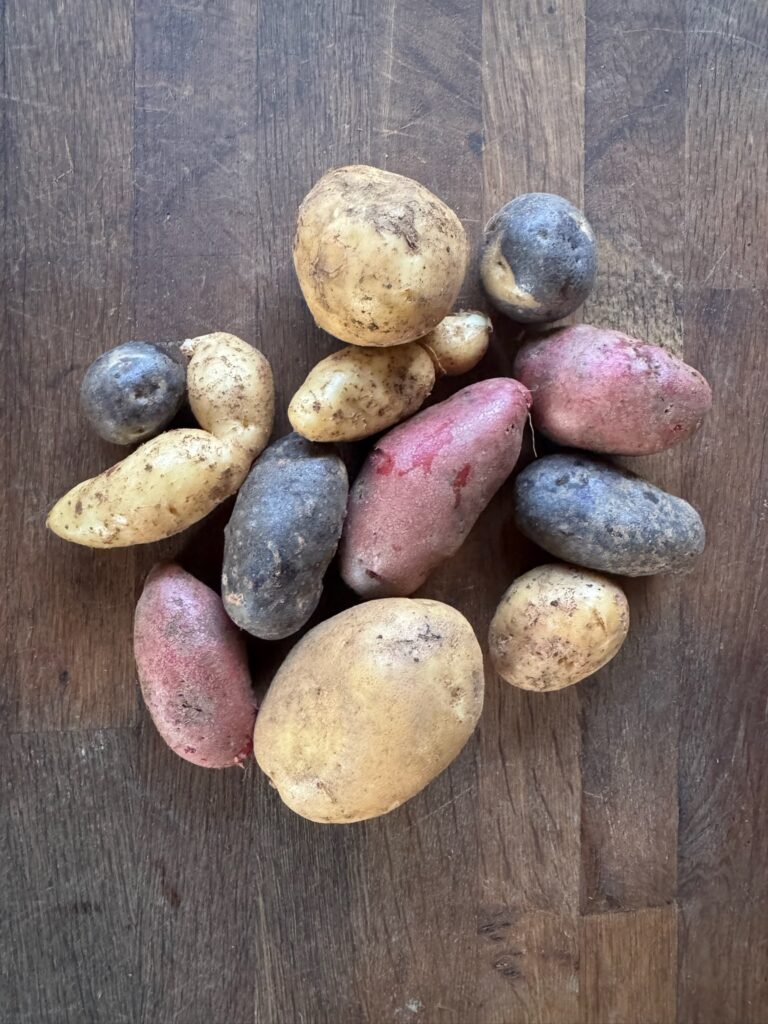
Potatoes are a versatile and hearty vegetable, known for their starchy, creamy texture and mild, earthy flavor. They can be boiled, roasted, mashed, or fried, and they pair well with a wide range of dishes. Their sturdy skins are often edible, and they hold their shape well in soups, stews, and salads. As Samwise Gamgee said in The Lord of the Rings, “Po-ta-toes! Boil ’em, mash ’em, stick ’em in a stew.” Potatoes have long been a staple in kitchens around the world, cherished for their simplicity, nutrition, and comfort.
Scrub and cooked.
Store potatoes in a cool, dark, and well-ventilated place, like a pantry. Avoid the fridge, as cold temperatures can alter their texture.
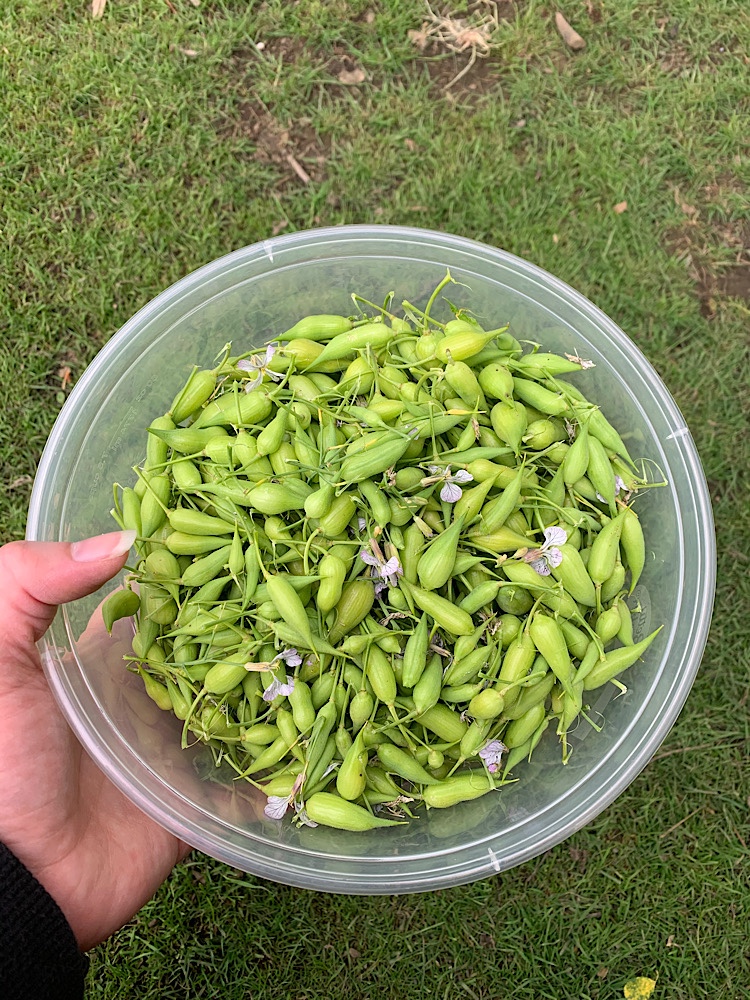
Radish pods are one of my FAVORTIE treats from the garden that you can't find anywhere else.
Radish pods, also known as radish seed pods, are the edible seed pods that form after radish plants flower. These pods have a slender, elongated shape and a crisp texture, similar to snap peas or green beans. They have a mildly spicy and peppery flavor, reminiscent of radish roots but milder in intensity. Radish pods can be enjoyed raw, or lightly cooked in stir-fries, sautés, they are less spicey after cooking.
Best to keep refrigerated.
Rinse. The stems should be removed. Eat raw or cooked.
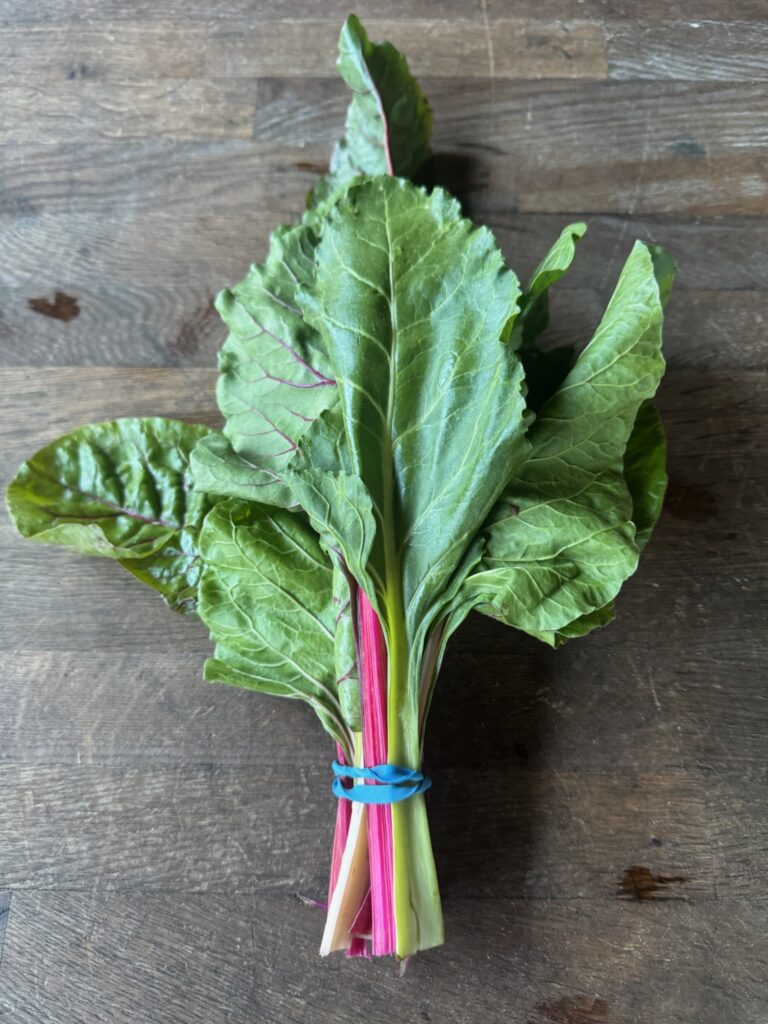
Rainbow chard, a vibrant and visually stunning leafy green, is a variety of Swiss chard distinguished by its multicolored stems and veins. The leaves are broad, glossy, and range in color from deep green to red and yellow. With a flavor profile similar to spinach, rainbow chard offers a mild earthiness and a slight bitterness. Suitable for both raw and cooked applications, rainbow chard can be sautéed, steamed, stir-fried, or added fresh to salads.
Rinse. Remove from stems because leaves cook faster. Chop or use whole leaves. Eat raw or cooked. If the chard starts to wilt, you can revive it by soaking the leaves in ice water for a few minutes before patting them dry and using as desired.
To store chard, place unwashed leaves in a bag or a container lined with a dry paper towel to absorb excess moisture. Seal the bag or container loosely to allow for some airflow. Store the bag in the refrigerator's crisper drawer, where it will stay fresh for a few days.
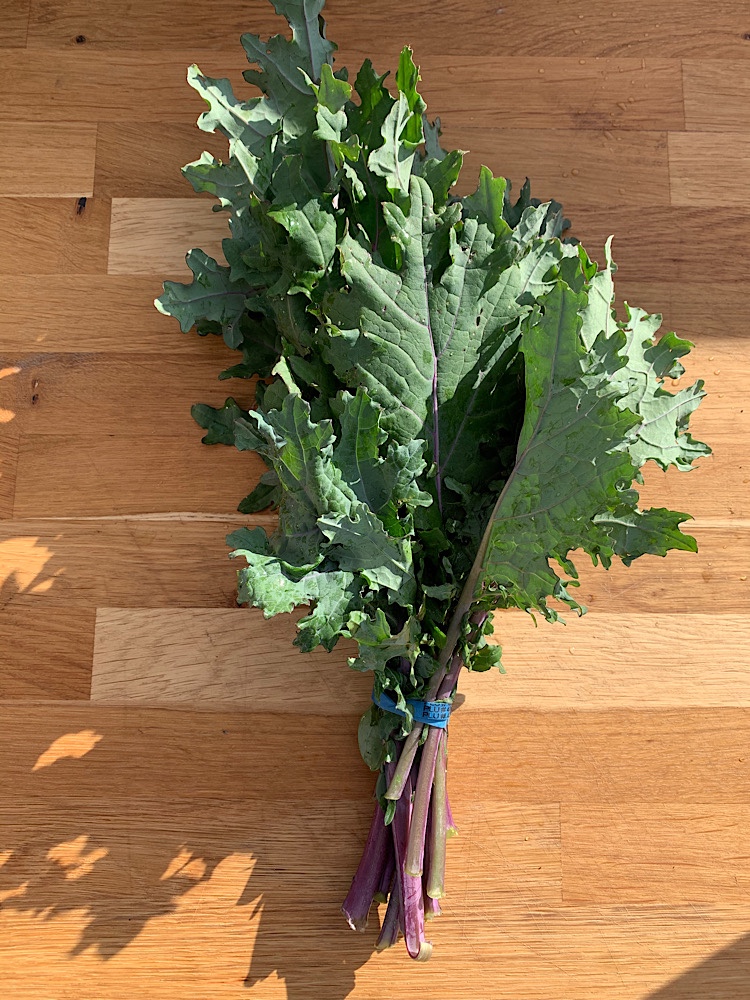
Kale, a leafy green vegetable renowned for its robust and earthy flavor, belongs to the Brassica family and stands as a nutritional powerhouse. Its slightly bitter, peppery taste lends itself well to a multitude of culinary applications, from hearty salads and smoothies to sautés and soups.
Rinse. Remove from stems because leaves cook faster. Chop or use whole leaves. Eat raw or cooked. If the kale starts to wilt, you can revive it by soaking the leaves in ice water for a few minutes before patting them dry and using as desired.
To store kale, place unwashed leaves in a container lined with a dry paper towel to absorb excess moisture. Seal the bag or container loosely to allow for some airflow. Store the bag in the refrigerator's crisper drawer, where it will stay fresh for a few days.
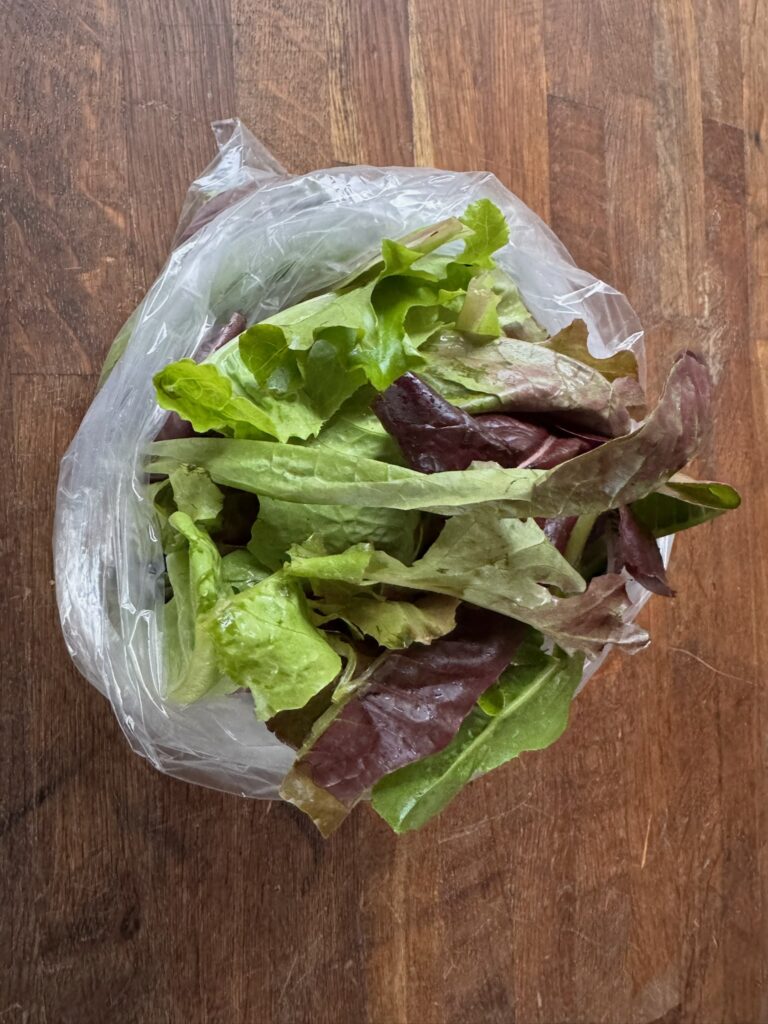
A fresh mix of baby greens, young lettuces. Each bite brings a balance of tender texture and varied flavors, mild, peppery, slightly sweet, or nutty depending on the blend. Great as a base or garnish, it is a quick way to add color and freshness to any meal.
These greens are not pre-washed and should always be washed before using. Chop or add whole leaves. Eat raw or cooked. If the lettuce starts to wilt, you can revive it by soaking the leaves in ice water for a few minutes before patting them dry and using as desired.
It's best to use it within a few days for optimal flavor. To store it, place unwashed leaves in a bag or a container lined with a dry paper towel to absorb excess moisture. Seal the bag or container loosely to allow for some airflow. Store the bag in the refrigerator's crisper drawer, where it will stay fresh for a few days.
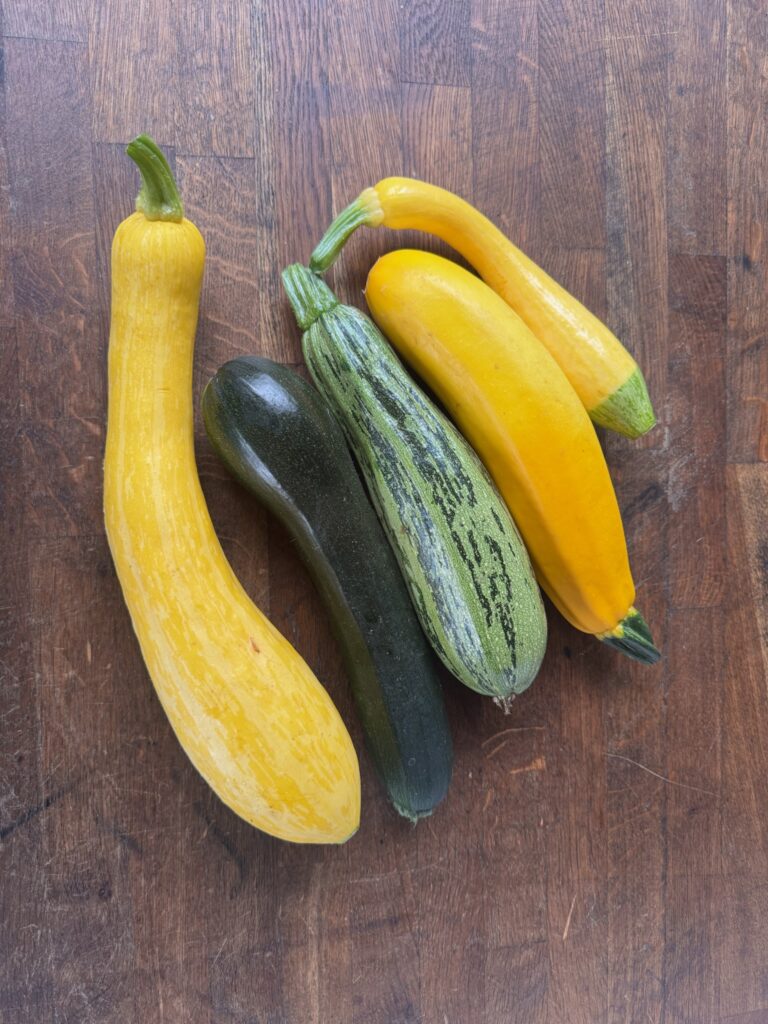
Summer squash refers to a variety of tender, edible gourds that are harvested during the summer months. They typically have a vibrant, yellow or green skin and a mild, slightly sweet flavor. Summer squash comes in various shapes, including elongated, cylindrical zucchini and round or bulbous varieties like pattypan and yellow crookneck squash. The flesh is tender and succulent, with a delicate texture that holds up well in both raw and cooked preparations.
Rinse. Eat raw or cooked.
Handle gently. The skin is thin and fragile. Keep on the counter and use within a week. If you aren't going to use them right away keep in the refrigerator.
The table below isn't very mobile friendly, so there's also a Google Sheet and a simple list below with the same information. Use whichever format you prefer. You can even add your own meal ideas and recipes through the Google Sheet!
| Meal Idea | Use This Week’s Produce | Protein Ideas | Carb Ideas | Sauce / Seasoning |
|---|---|---|---|---|
| Stir-Fry | Rainbow chard, summer squash, radish pods, lambsquarter | Chicken, tofu, shrimp | Rice, noodles | Hoisin-garlic sauce, ginger, lime |
| Soup | Potatoes, red Russian kale, lambsquarter, rainbow chard | White beans, chicken, lentils | Bread, crackers | Rosemary, garlic, black pepper, lemon |
| Pasta | Purple basil, summer squash, red Russian kale, rainbow chard | Italian sausage, chicken, cannellini beans | Pasta | Basil pesto, parmesan, cracked pepper |
| Grain Bowl | Potatoes, lambsquarter, radish pods, summer squash | Salmon, tofu, chickpeas | Rice, quinoa, farro | Miso-tahini dressing, rice vinegar, scallions |
| Salad | Salad mix, purple basil, radish pods, summer squash | Grilled chicken, feta, chickpeas | Crusty bread, pita | Honey-mustard vinaigrette, sunflower seeds |
| Wraps | Salad mix, red Russian kale, radish pods, summer squash | Turkey, chicken, black beans | Tortillas, pita | Chipotle yogurt sauce, lime, cumin |
| Noodle Bowl | Rainbow chard, summer squash, radish pods, lambsquarter | Beef, shrimp, tofu | Rice noodles, soba | Peanut-lime sauce, chili crisp, cilantro |
| Hash | Potatoes, red Russian kale, rainbow chard, summer squash | Eggs, sausage, black beans | Potatoes | Taco seasoning, salsa, hot sauce |
| Egg Dish | Lambsquarter, rainbow chard, summer squash, purple basil | Eggs, feta, bacon | Toast, roasted potatoes | Garlic herb butter, black pepper, chives |
| Flatbread | Purple basil, summer squash, red Russian kale, radish pods | Mozzarella, chicken, ricotta | Flatbread, naan | Tomato sauce, basil, balsamic drizzle |