We’d love to meet you in person! Each week, we bring a fresh selection of heirloom produce and farm-fresh eggs to the market. Swing by, say hello, and take home something tasty from our farm.
📍 Where to Find Us
Astoria Sunday Market 12th St Downtown Astoria, Oregon 🗓 Sundays, June 8th – October 12th 🕘 10 AM – 3 PM 📍 Booth #: (I will update when we know)
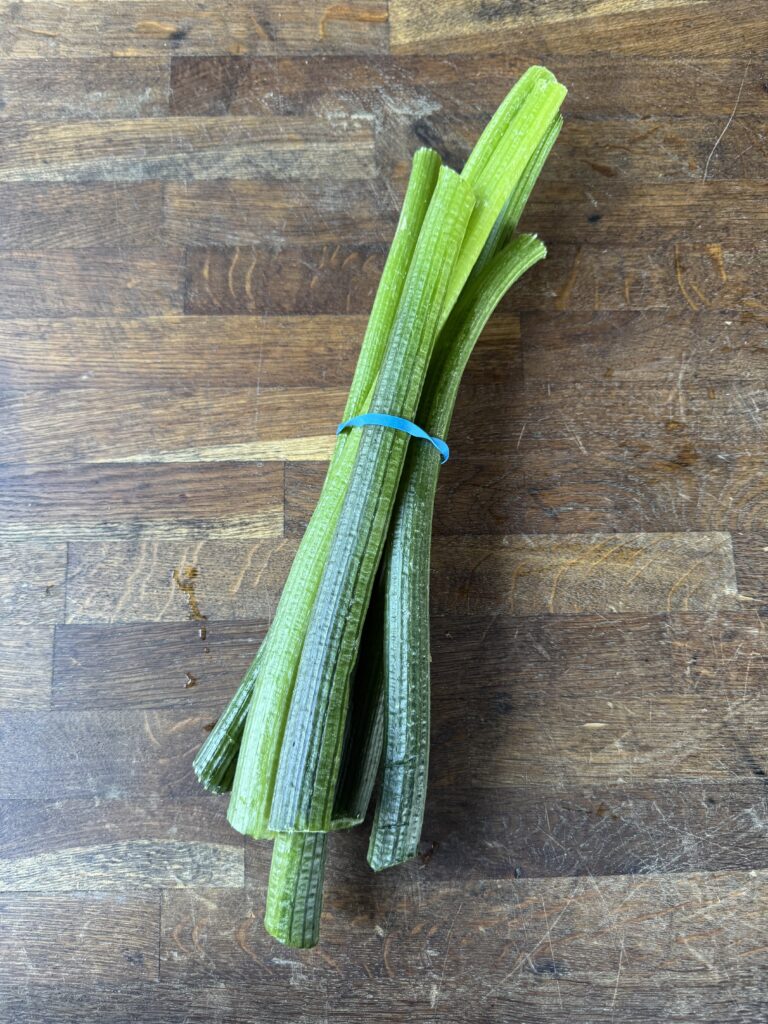
Squash Stems
Squash stems are the hollow stalks of the squash plant, often overlooked but entirely edible when properly prepared. They have a mild, slightly sweet flavor and a tender-crisp texture when cooked. The outer layer can sometimes be fibrous or spiny, so peeling or scraping it away is recommended before cooking. Once prepped, squash stems can be a flavorful addition to stir-fries, soups, or sautés, especially when paired with bold ingredients like garlic, onions, tomatoes, or coconut milk. Their sturdy structure holds up well in both quick and slow cooking methods, making them a versatile way to use more of the squash plant.
Prep
Rinse squash stems thoroughly to remove dirt and any small spines. Trim off the ends and peel or scrape away any tough or fibrous outer skin. Cut into bite-sized pieces. For a more tender texture, you can blanch them briefly before sautéing, stir-frying, or simmering.
Storing
Wrap unwashed squash stems in a damp paper towel and place them in a loosely sealed plastic bag or container. Store in the refrigerator's crisper drawer and use within a couple of days for best texture and flavor.
How to use:
Fritters or Patties: Finely chop tender squash stems and mix with grated vegetables, herbs, and a binder like egg and flour. Pan-fry into crispy fritters or savory patties.
Pasta or Noodle Dishes: Sauté chopped squash stems and toss them into pasta dishes, especially ones with light sauces like garlic and olive oil, lemon butter, or tomato-based sauces.
Rice or Grain Bowls: Add cooked squash stems to rice, quinoa, or barley bowls for texture and mild green flavor. They pair well with roasted veggies, beans, and vinaigrettes.
Egg Dishes: Stir chopped, sautéed stems into scrambled eggs, omelets, or frittatas for an earthy green bite.
Pickled: For a tangy twist, lightly pickle blanched squash stems in vinegar, sugar, and spices. This makes a flavorful topping for rice bowls, tacos, or sandwiches.
Juiced: *Suggested by a CSA member* Run peeled stems through a juicer for a refreshing, lightly earthy drink. Optionally, add cucumber, citrus or apple for a bright drink.
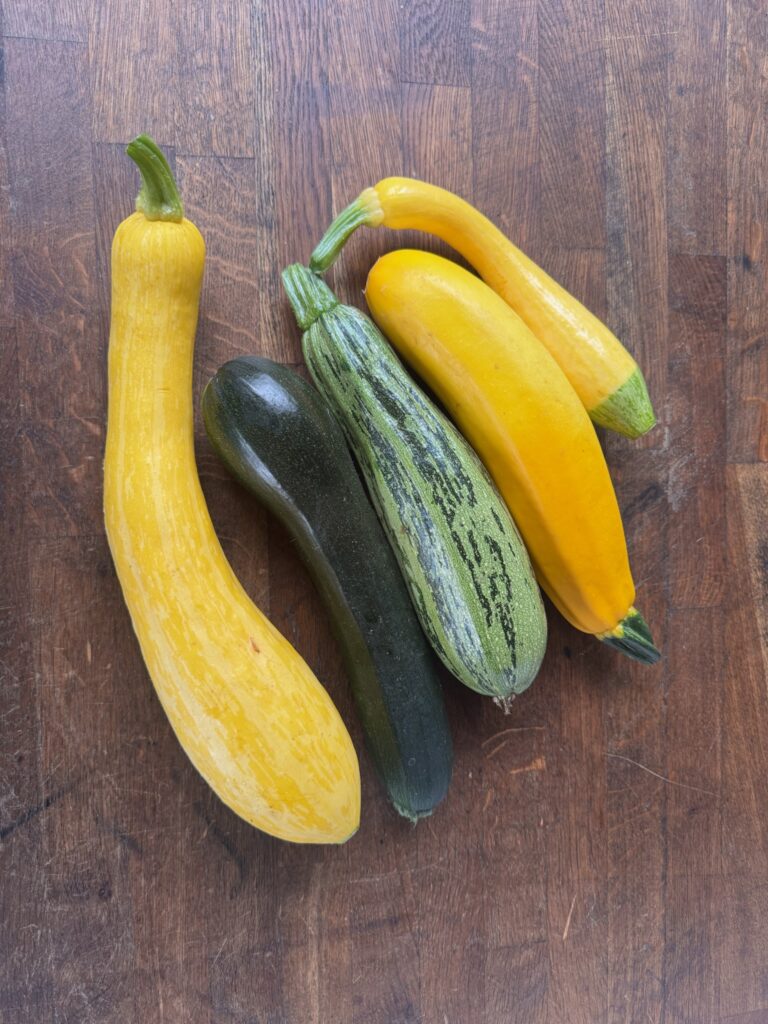
Summer Squash
Summer squash refers to a variety of tender, edible gourds that are harvested during the summer months. They typically have a vibrant, yellow or green skin and a mild, slightly sweet flavor. Summer squash comes in various shapes, including elongated, cylindrical zucchini and round or bulbous varieties like pattypan and yellow crookneck squash. The flesh is tender and succulent, with a delicate texture that holds up well in both raw and cooked preparations.
Prep
Rinse. Eat raw or cooked.
Storing
Handle gently. The skin is thin and fragile. Keep on the counter and use within a week. If you aren't going to use them right away keep in the refrigerator.
Preserving
Freezing: Wash and slice the squash into desired shapes, such as rounds or cubes. Blanch the slices in boiling water for a couple of minutes, then quickly transfer them to an ice bath to cool. Drain well and pat dry. Arrange the slices in a single layer on a baking sheet and freeze until firm. Transfer the frozen slices to airtight freezer bags or containers, removing as much air as possible. Label and date the packages, then store them in the freezer for up to 8-10 months.
Dehydrating: Slice the squash into thin rounds or strips. Arrange the slices on dehydrator trays or a baking sheet lined with parchment paper. Set the dehydrator to the appropriate temperature for vegetables or use the oven on its lowest setting. Dry the slices until they are crisp and brittle. Store the dehydrated squash in airtight containers or resealable bags. Rehydrate the slices in water or broth before using them in recipes.
How to use:
Grilling: Slice the squash into thick rounds or lengthwise strips and brush them with olive oil and seasonings. Grill them over medium heat until tender and slightly charred.
Sautéing: Cut the squash into bite-sized pieces or slices and sauté them in a little olive oil or butter until they are golden brown and tender. You can add herbs, garlic, or other seasonings for extra flavor. Sautéed summer squash can be enjoyed as a side dish, added to pasta, or used as a topping for pizzas.
Roasting: Toss sliced summer squash with olive oil, salt, and pepper, then spread them in a single layer on a baking sheet. Roast in a preheated oven at around 425°F (220°C) for 15-20 minutes or until they are tender and caramelized. Roasted summer squash is a tasty addition to grain bowls, salads, or as a side dish.
Raw in salads: Thinly slice or julienne summer squash and add it to salads for a fresh and crisp texture.
Stuffed squash: Hollow out larger summer squash varieties like zucchini or pattypan and fill them with a stuffing of your choice, such as cooked grains, cheese, herbs, or ground meat. Bake until the squash is tender and the filling is cooked through.
Soups and stews: Add sliced or cubed summer squash to soups, stews, or chili for added flavor and texture. It cooks relatively quickly and absorbs the flavors of the other ingredients.
Spiralized: use a spiralizer to make squash noodles. You can simply sauté the squash noodles in a bit of olive oil or butter until they are tender but still retain some crunch. Top them with your favorite pasta sauce, such as marinara, pesto, or alfredo, and garnish with grated cheese, fresh herbs, or toasted nuts. You can also use spiralized summer squash in salads, stir-fries, or cold noodle dishes.
Sauce base: Summer squash can be used to create a delicious and creamy sauce that pairs well with pasta, grains, or roasted vegetables. Start by slicing the summer squash into small cubes or rounds. Steam or sauté until it becomes tender. Transfer the cooked squash to a blender or food processor and blend it until smooth. Add a splash of broth or dairy of choice, a squeeze of lemon juice, and season with salt, pepper, and herbs like basil or thyme to enhance the flavor. You can also incorporate garlic, onion, or Parmesan cheese for additional depth. Adjust the consistency by adding more broth if needed. Toss the sauce with cooked pasta or drizzle it over roasted vegetables.