A note from Chris
It always catches me off guard how quickly the garden shuts down after the equinox. It’s like someone flips a switch, and suddenly things just stop. A big part of it is that the pollinators are settling in for winter, and without them most of the summer fruits are finished.
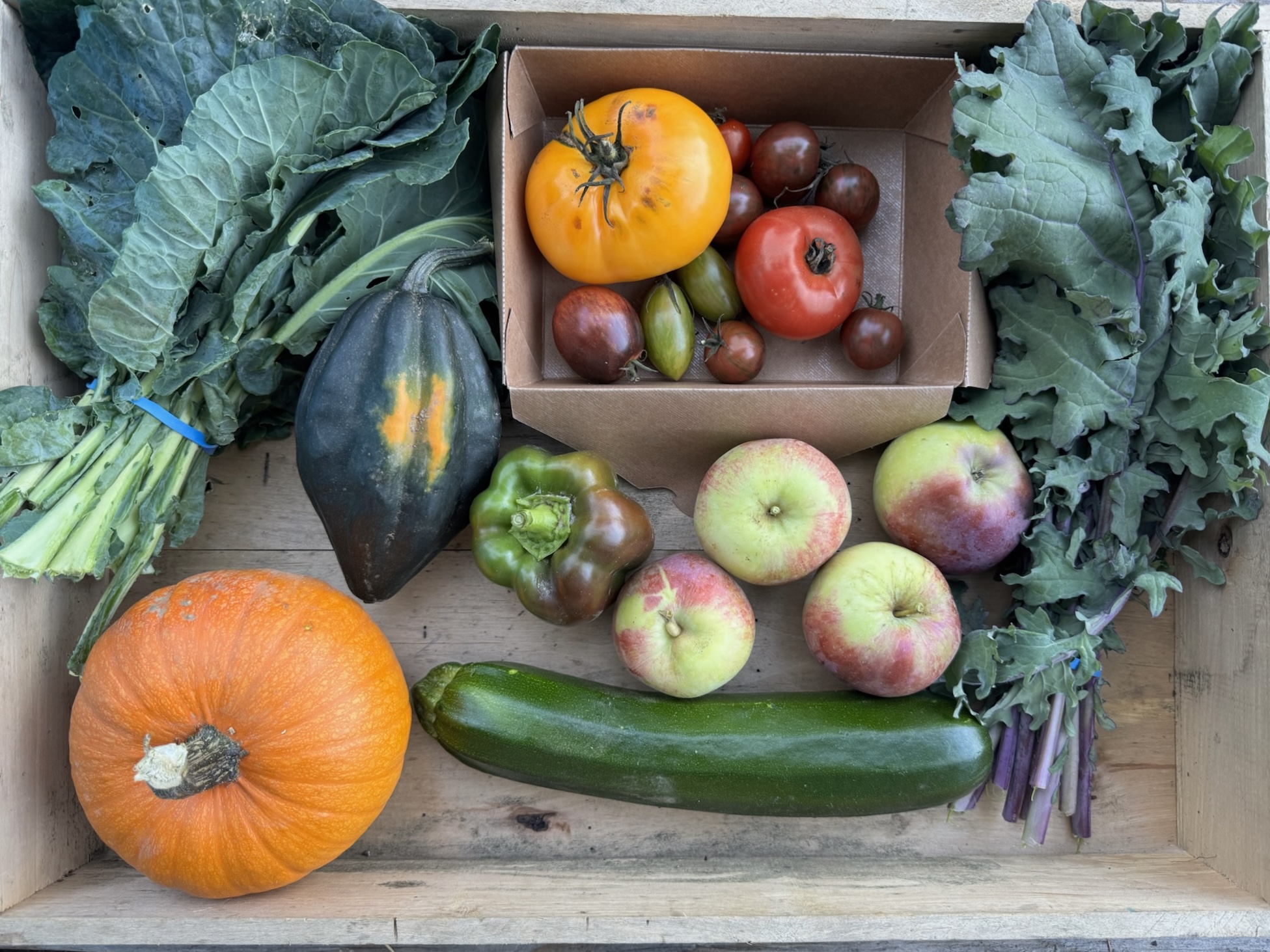
The cucumbers are pretty much done for the year, and while a few zucchini are still hanging on, they likely won’t last much longer. The good news is that winter squash are here! The tomatoes aren’t quite ripe this week, but the vines are still loaded. With a little more warmth, we’re hopeful they’ll have time to ripen.
And one of the most exciting things this fall is that the apples are coming on strong. This is the very first year that our orchard, which we planted six years ago, is producing a real crop of fruit. It feels like a milestone harvest, and we’re thrilled to finally be sharing them with you.
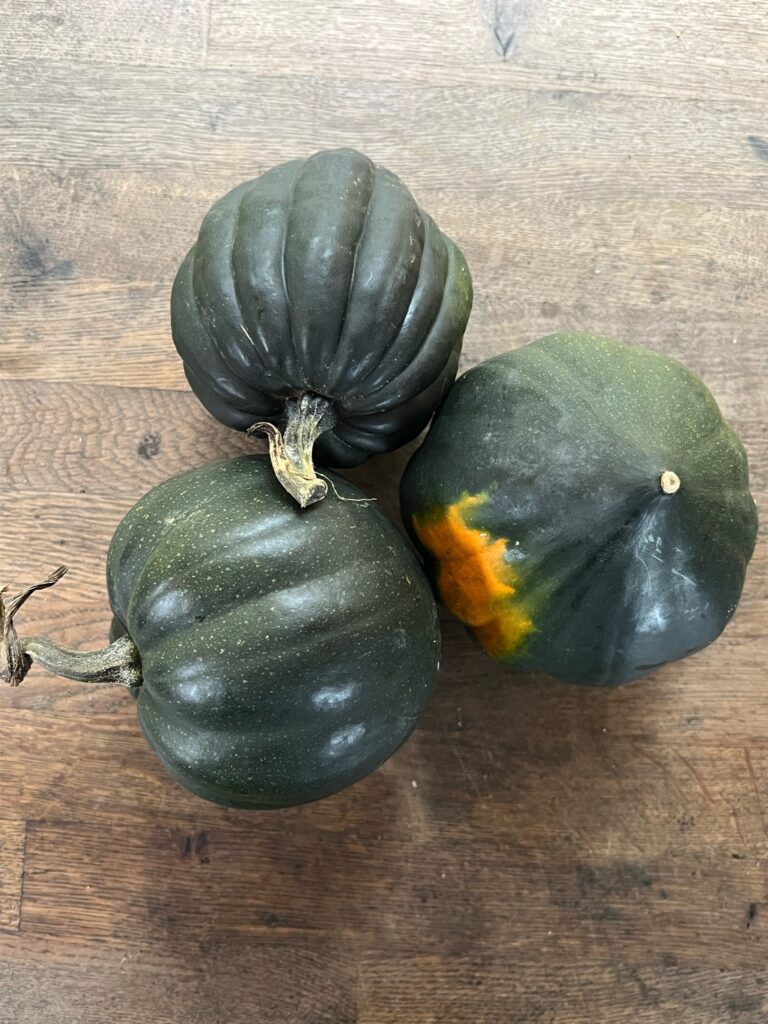
Acorn squash, a member of the winter squash family, is characterized by its small, dark green, or orange ribbed exterior, often with a distinctive acorn-like shape. Its sweet, yellow-orange flesh is dense and nutty. Whether stuffed, mashed, pureed into soups, or simply roasted with a drizzle of maple syrup, acorn squash is celebrated for its rich taste and nutritional value, adding warmth and vibrancy to fall and winter menus.
To prepare acorn squash, begin by washing the outer skin to remove any dirt or debris, the skin is edible. Then, carefully slice the squash in half, lengthwise. Scoop out the seeds (save the seeds for roasting) and stringy pulp using a spoon. Slice, dice, or roast the squash as desired for your chosen recipe, and it's ready to be used in various culinary creations, from savory soups and side dishes to sweet pies and casseroles.
Squash seeds can be roasted to create a delicious and nutritious snack. Preheat your oven to 300°F (150°C). After cleaning the seeds thoroughly, toss them with olive oil and your preferred seasonings. Spread the seeds in a single layer on a baking sheet and roast for about 15-20 minutes, stirring occasionally, until they turn golden brown and are crispy. Keep a close eye on them to prevent burning, as the exact time may vary based on the size of the seeds and your specific oven. Once roasted, let the seeds cool before enjoying this crunchy and nutritious snack.
Store uncut squash in a cool, dry place, like a pantry or on the kitchen counter. It can keep for up to a month. Once cut, wrap the unused portion tightly in plastic wrap or foil, refrigerate, and use it within a few days for the best quality.
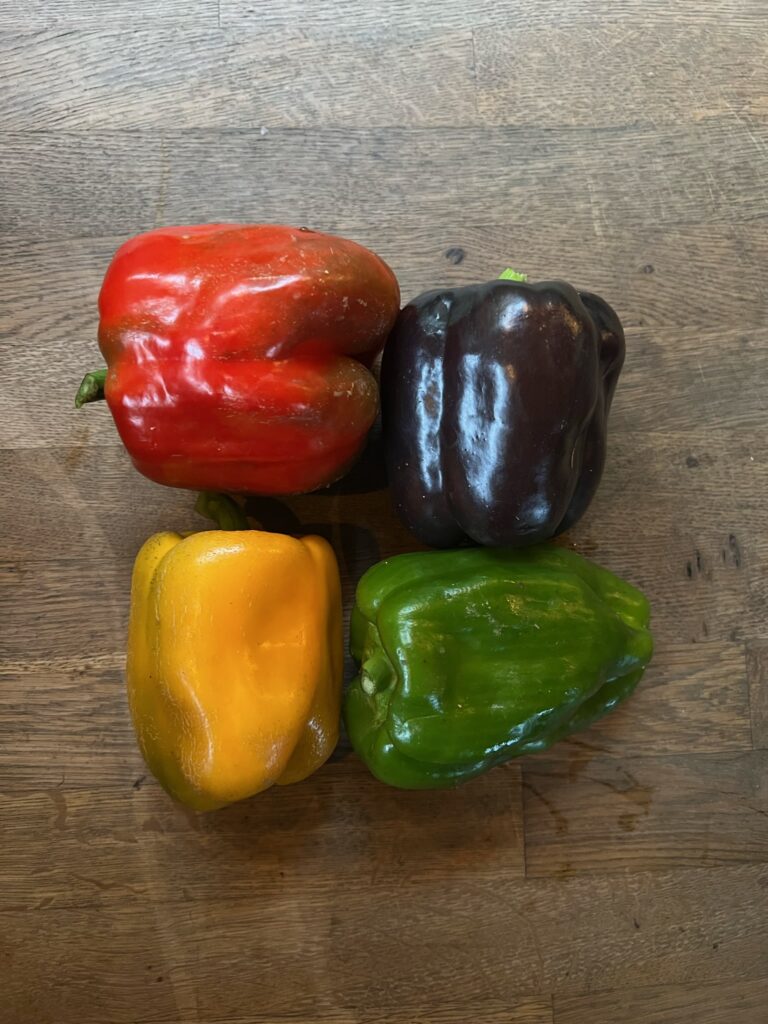
Bell peppers are colorful and crisp vegetables that belong to the nightshade family. These versatile peppers come in various hues, including green, purple, red, yellow, and orange, with each color offering slightly different flavor profiles, from the grassy and mildly bitter taste of green peppers to the sweet and fruity notes of their more colorful counterparts. Whether enjoyed raw in salads, stuffed with savory fillings, sautéed in stir-fries, or roasted to enhance their natural sweetness, bell peppers are a culinary staple celebrated for their versatility, nutritional value, and culinary appeal.
Please refrigerate.
Rinse. Remove seeds. Eat raw or cooked. Roast or blanch to remove skin.
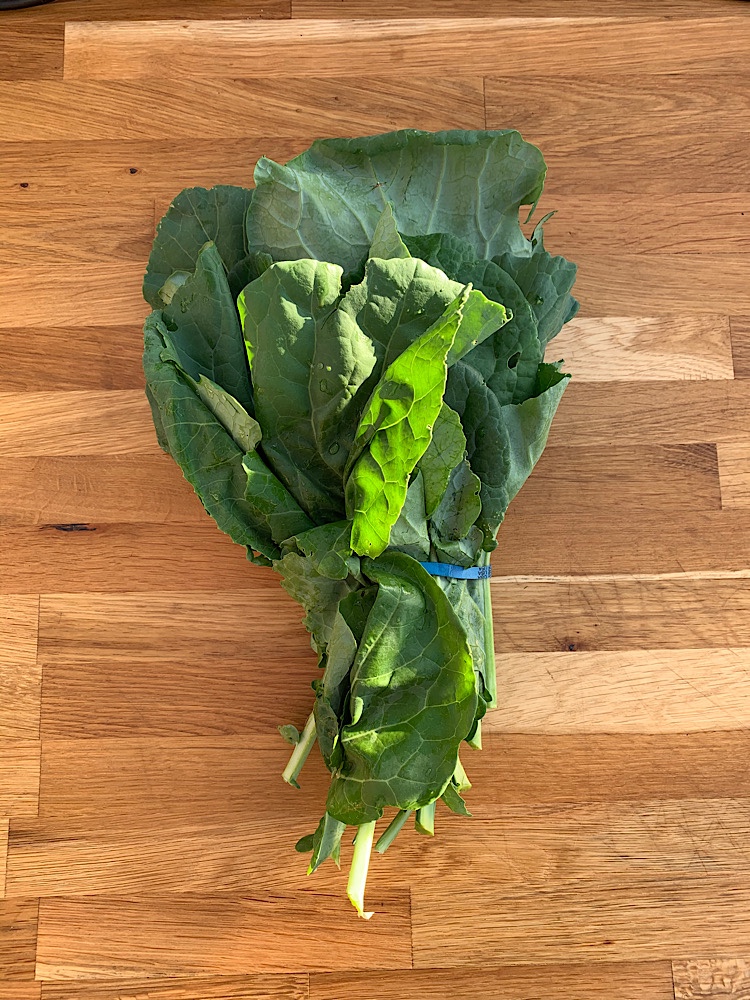
Collards are in the same family as cabbage, broccoli and cauliflower. A bitter green.
Rinse. Eat raw or cooked. Stems take longer to cook. I like to remove them and cook longer than leaves.
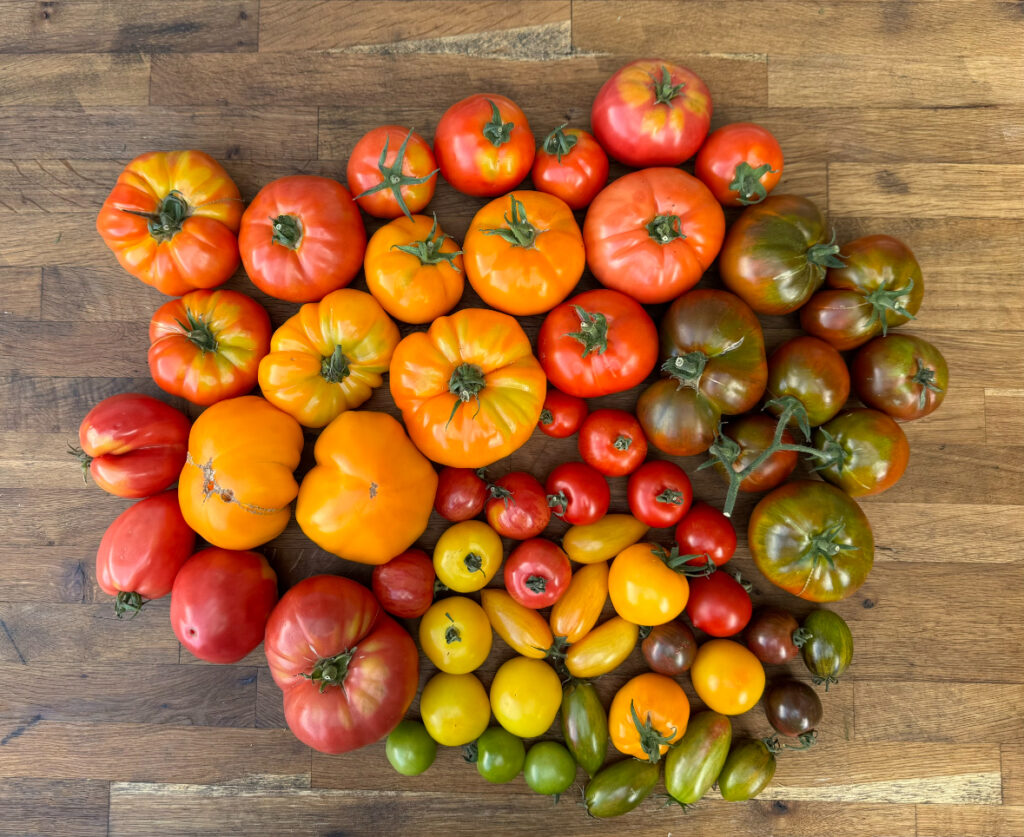
Heirloom tomatoes come in a rainbow of colors from deep red to golden yellow, green-striped, purple, and even nearly black, with flavors ranging from sweet and fruity to tangy and smoky. Their unique shapes and rich taste make them perfect for salads, sandwiches, roasting, or enjoying fresh.
Keep ripe, uncut tomatoes at room temperature, away from direct sunlight, in a single layer with the stem side up to prevent bruising. If tomatoes are not fully ripe, place them in a paper bag at room temperature to encourage ripening. Once fully ripe, you can transfer them to the refrigerator's vegetable drawer, but allow them to return to room temperature before consuming for optimal flavor. Avoid storing tomatoes in airtight containers, as this can lead to moisture buildup and affect their quality. Use tomatoes within a few days of ripening for the best taste and texture.
Rinse. Eat raw or cooked.
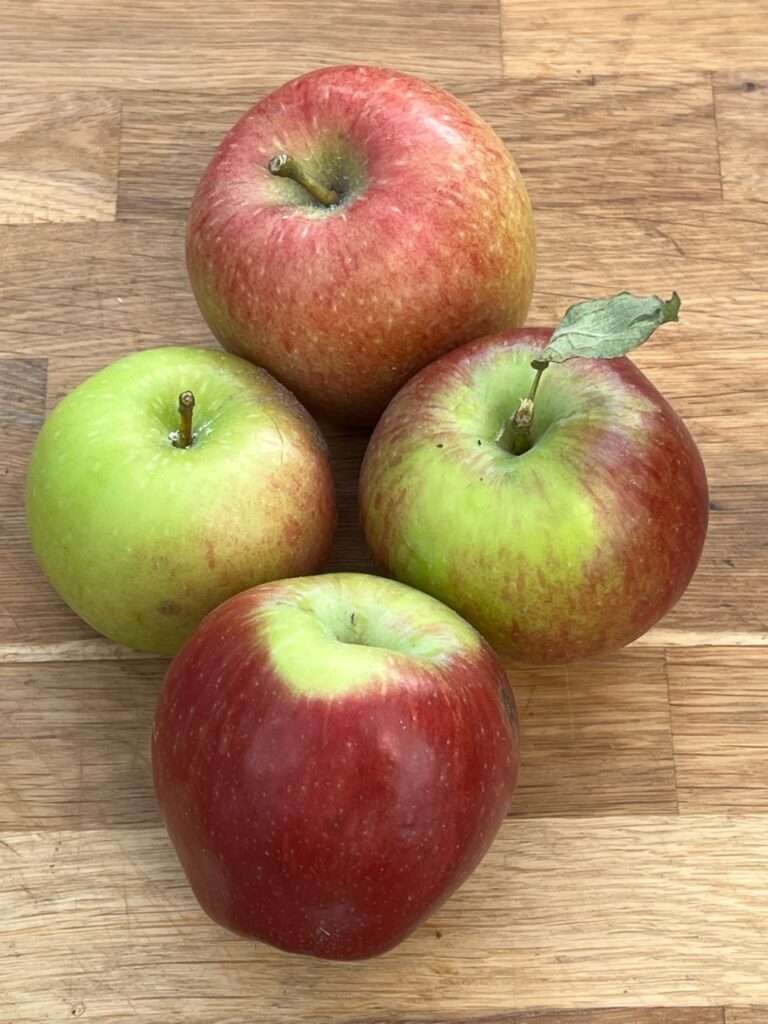
These apples are known for their sweet-tart flavor, making them excellent for both fresh eating and cooking. Liberty apples are celebrated for their disease resistance, which reduces the need for chemical pesticides in orchards. Their versatility in the kitchen allows them to be used in various culinary applications, from being enjoyed as a fresh, healthy snack to being transformed into pies, sauces, and cider.
Please refrigerate.
Rinse. Eat raw or cooked.
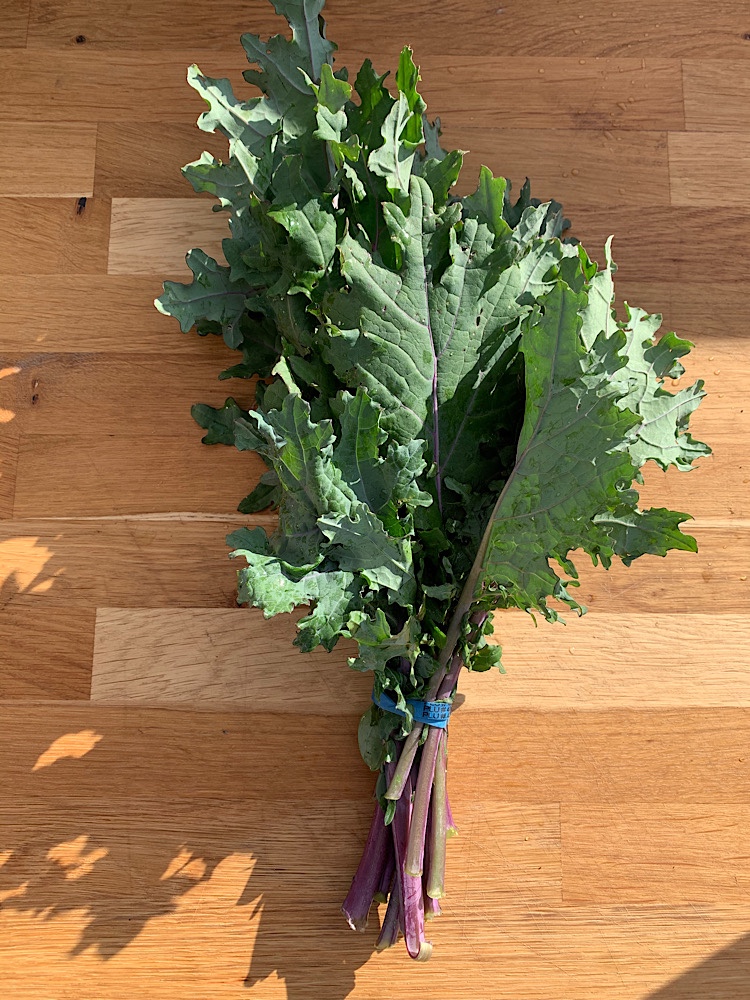
Kale, a leafy green vegetable renowned for its robust and earthy flavor, belongs to the Brassica family and stands as a nutritional powerhouse. Its slightly bitter, peppery taste lends itself well to a multitude of culinary applications, from hearty salads and smoothies to sautés and soups.
Rinse. Remove from stems because leaves cook faster. Chop or use whole leaves. Eat raw or cooked. If the kale starts to wilt, you can revive it by soaking the leaves in ice water for a few minutes before patting them dry and using as desired.
To store kale, place unwashed leaves in a container lined with a dry paper towel to absorb excess moisture. Seal the bag or container loosely to allow for some airflow. Store the bag in the refrigerator's crisper drawer, where it will stay fresh for a few days.
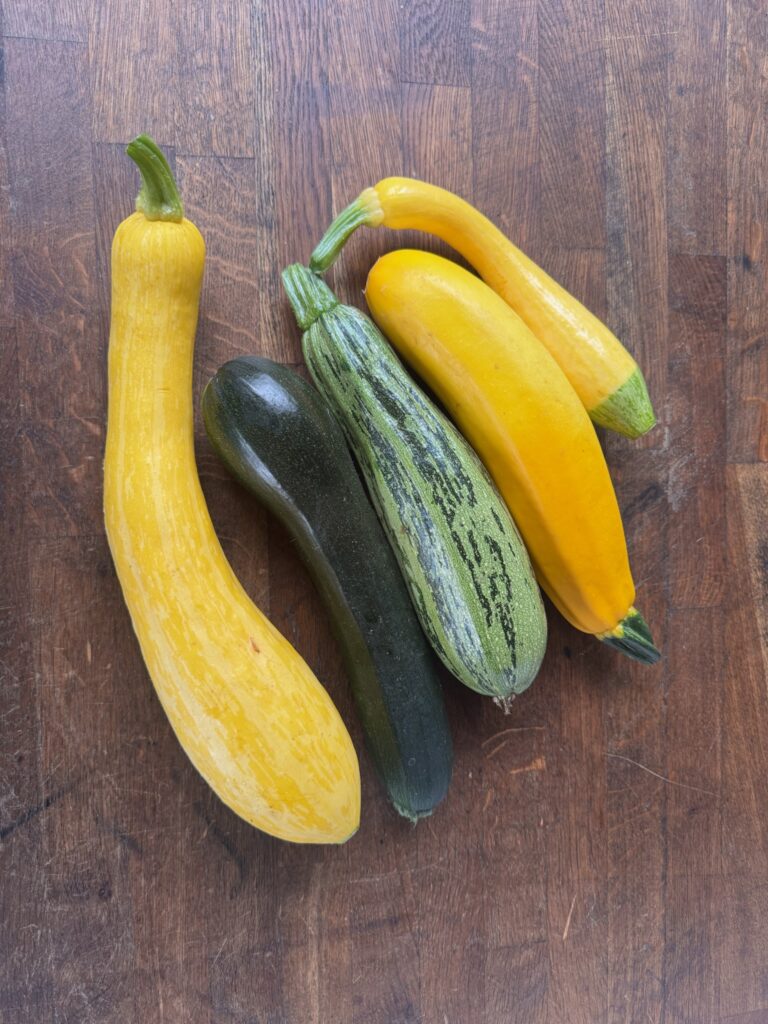
Summer squash refers to a variety of tender, edible gourds that are harvested during the summer months. They typically have a vibrant, yellow or green skin and a mild, slightly sweet flavor. Summer squash comes in various shapes, including elongated, cylindrical zucchini and round or bulbous varieties like pattypan and yellow crookneck squash. The flesh is tender and succulent, with a delicate texture that holds up well in both raw and cooked preparations.
Rinse. Eat raw or cooked.
Handle gently. The skin is thin and fragile. Keep on the counter and use within a week. If you aren't going to use them right away keep in the refrigerator.
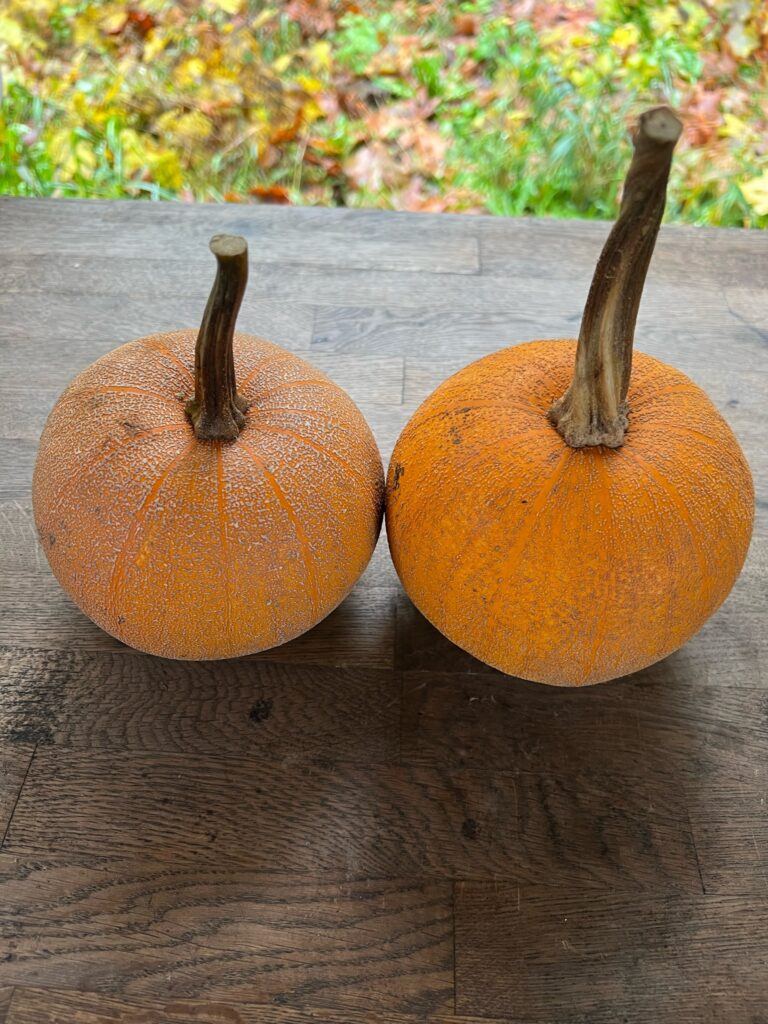
Winter Luxury pumpkin, a pie pumpkin, is a beloved heirloom variety prized for its pumpkin-like appearance and exceptional culinary attributes. This petite, round pumpkin exhibits a russet-colored, netted skin and sweet, vibrant orange flesh, which is perfect for crafting pies and other delectable desserts. Its flavor is frequently described as nutty, sweet and spicy, rendering it a superb choice for autumn and holiday recipes. The Winter Luxury pumpkin's fine-grained, tender flesh can be effortlessly puréed to create pies, soups, and custards, solidifying its status as a cherished component in the making of traditional seasonal delicacies and comforting dishes.
To prepare a Winter Luxury pumpkin, start by washing the outer skin to remove any dirt or debris. Carefully cut the pumpkin in half using a sharp knife, and scoop out the seeds and stringy pulp with a spoon. You can choose to peel the skin or leave it intact, depending on your recipe. Slice, dice, or roast the pumpkin as needed for your chosen culinary creation, such as pies, soups, or casseroles. The soft and sweet flesh of the Winter Luxury pumpkin is ready to be used in various delectable dishes, particularly those associated with the autumn and holiday seasons.
Squash seeds can be roasted to create a delicious and nutritious snack. Preheat your oven to 300°F (150°C). After cleaning the seeds thoroughly, toss them with olive oil and your preferred seasonings. Spread the seeds in a single layer on a baking sheet and roast for about 15-20 minutes, stirring occasionally, until they turn golden brown and are crispy. Keep a close eye on them to prevent burning, as the exact time may vary based on the size of the seeds and your specific oven. Once roasted, let the seeds cool before enjoying this crunchy and nutritious snack.
Store uncut squash in a cool, dry place, like a pantry or on the kitchen counter. It can keep for up to a month. Once cut, wrap the unused portion tightly in plastic wrap or foil, refrigerate, and use it within a few days for the best quality.