A note from Chris
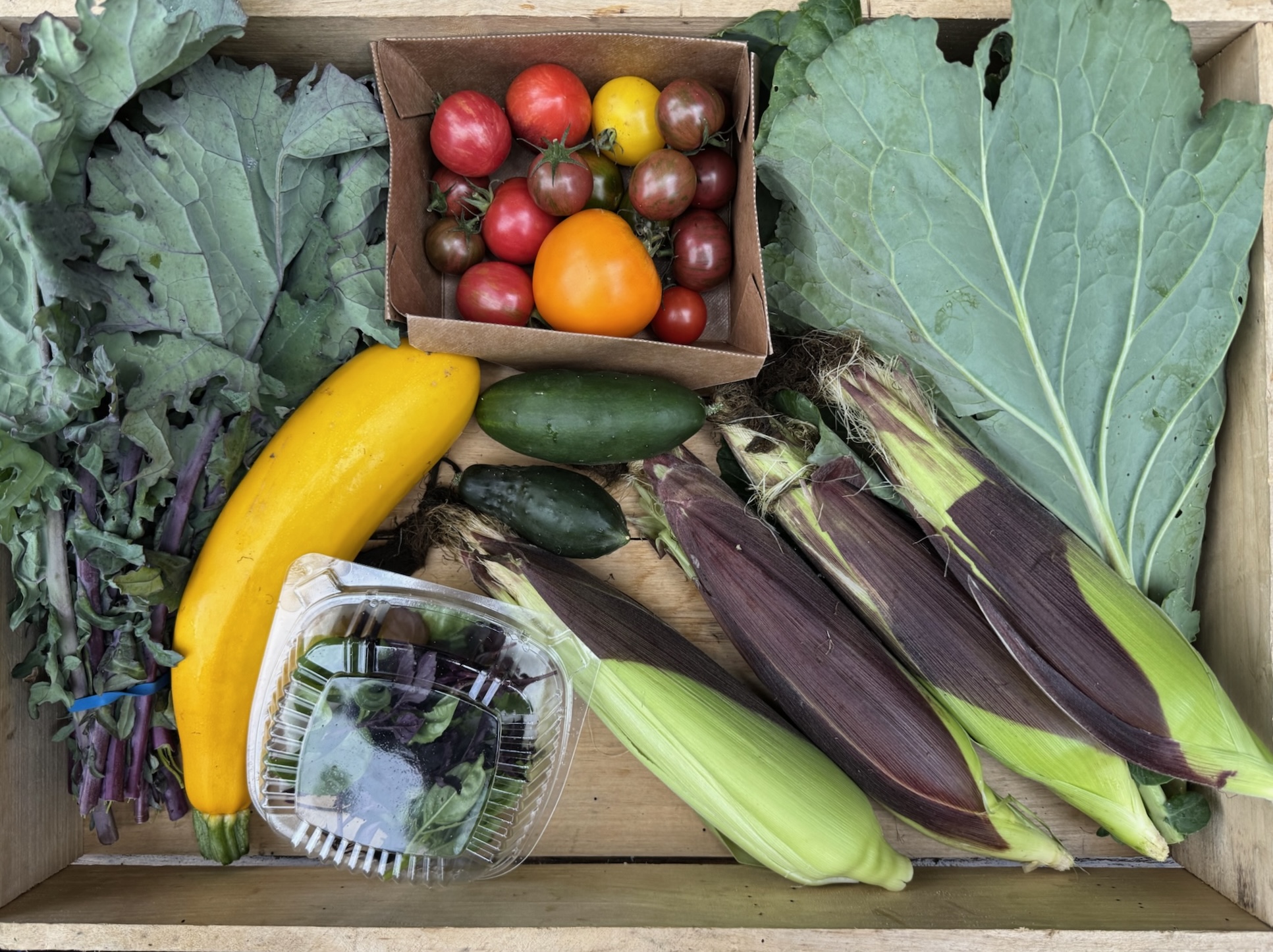
It’s corn! 🌽 I finally managed to get a few ears ready for you all, and I hope they hit the spot. The garden is definitely slowing down, so this week’s box feels a little lighter than I’d like.
With the rain, I’m hoping that a few quick crops spinach, lettuce, radishes, and hopefully some bok choy and turnips will be ready before things shut down for the season. It might be late in the season, but I’m giving it a shot and crossing my fingers we can squeeze in a little more fresh green goodness before the season runs down.
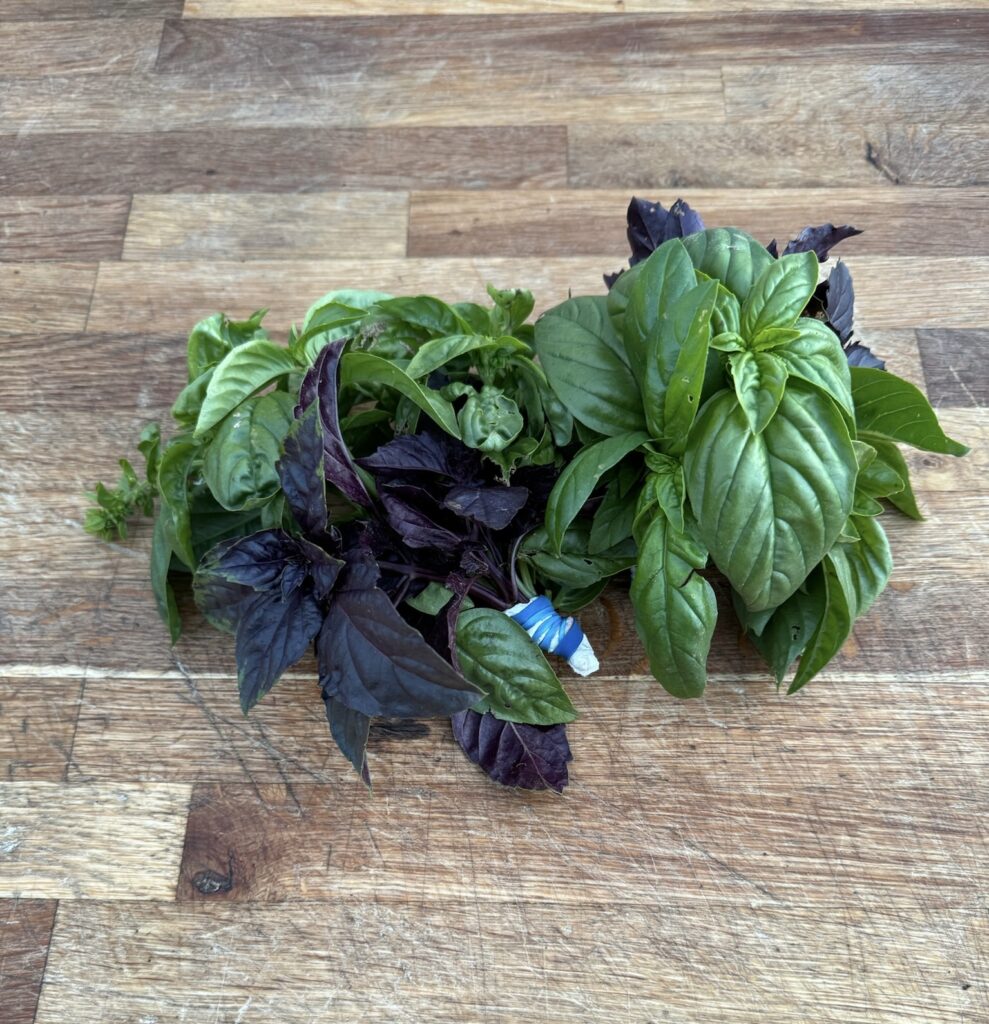
Basil is a highly aromatic herb with a distinct and vibrant flavor. Its leaves are glossy and bright green or purple, and they have a slightly sweet and peppery taste with hints of mint and cloves. Basil is known for its strong fragrance, which is both herbaceous and slightly floral. The scent of basil is often associated with Mediterranean and Italian cuisine, where it is widely used.
In a glass of water: Trim the stems and any leaves that would be under water. Use them first. Place the basil in a glass of water, just like you would with flowers. Store the glass in the refrigerator for up to a week or keep near a window. If you leave it out, you can use the leaves and roots will grow. Change the water every few days. Soon you can plant in a pot and have your own basil plant!
Refrigerator: place basil in a plastic bag with a paper towel or cloth to maintain moisture while allowing airflow.
Rinse. Remove leaves from stems. Chop or use the whole leaf. Eat raw or cooked.
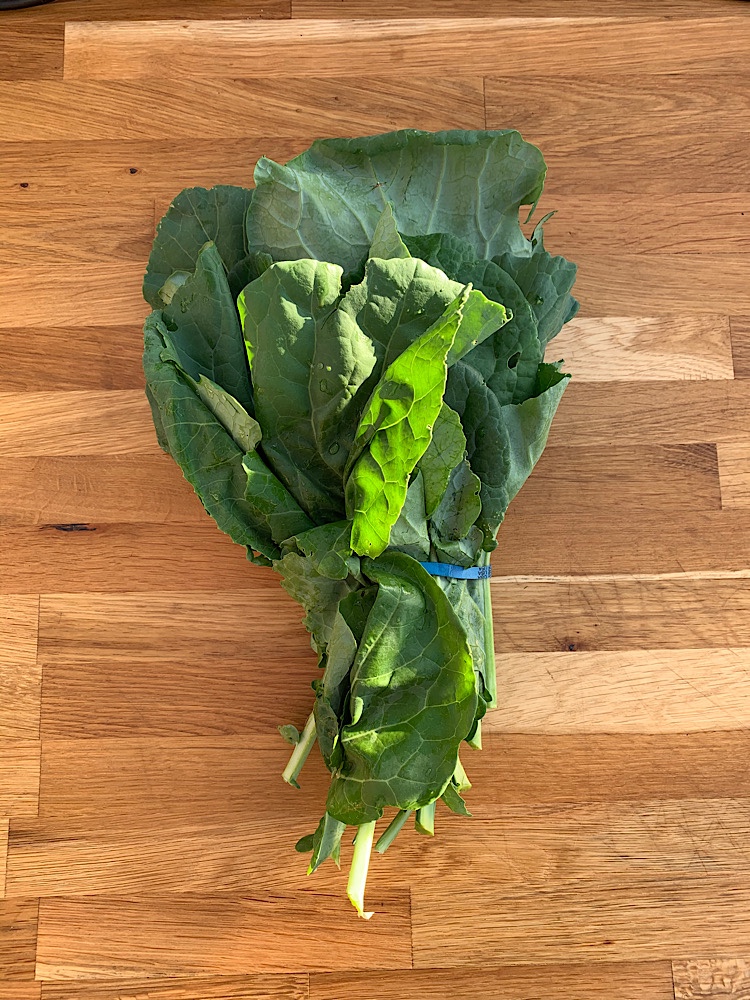
Collards are in the same family as cabbage, broccoli and cauliflower. A bitter green.
Rinse. Eat raw or cooked. Stems take longer to cook. I like to remove them and cook longer than leaves.
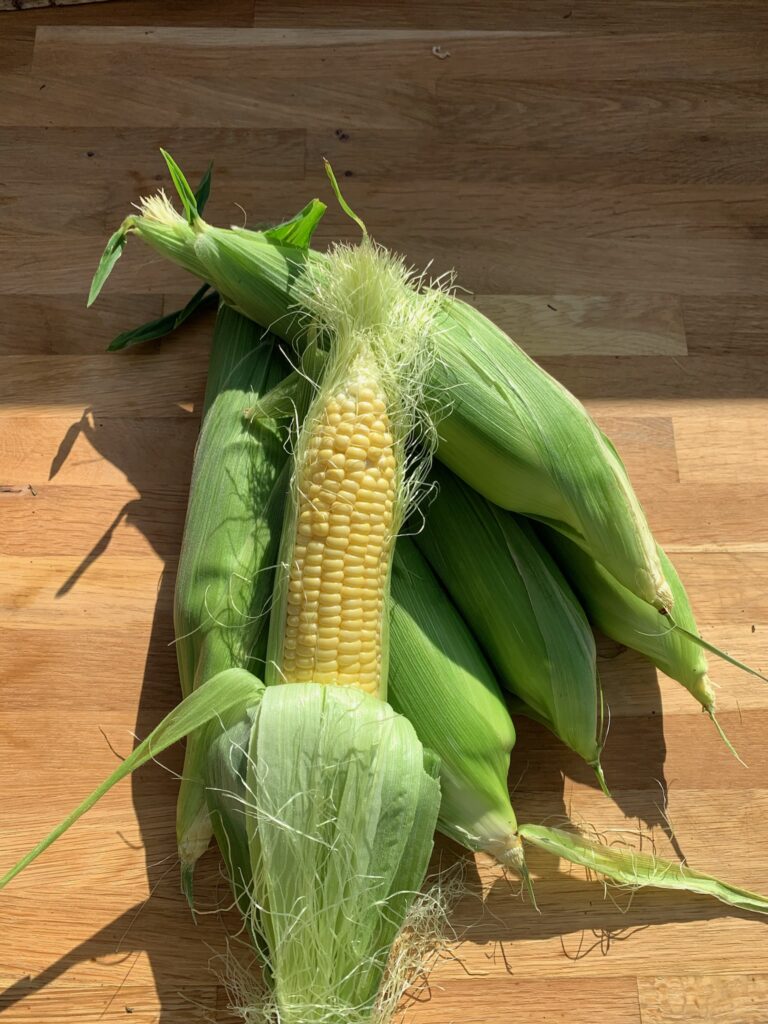
Corn on the cob is a quintessential summer treat, featuring tender, sweet kernels tightly nestled on a round cob. With a vibrant golden hue, each cob boasts a delightful mix of flavor and texture. Grilled, boiled, or steamed, corn on the cob exudes a satisfying crunch and bursts of sugary juice with every bite. Often adorned with a drizzle of butter, a sprinkle of salt, and a touch of herbs.
To ensure the best flavor and texture, it's recommended to use fresh corn on the cob right away. If you plan to wait, store the corn in a cool, well-ventilated place. Avoid exposing it to direct sunlight or high temperatures, as this can cause the kernels to dry out and lose their sweetness. If the husks are still intact, they can help protect the corn. If not, you can wrap the corn in a damp paper towel and place it in a plastic bag to prevent moisture loss. Using fresh corn promptly will provide you with the optimal taste and crunch that this seasonal delight offers.
Remove husks, unless you are grilling. Cook on the cob or remove the kernels.
This is our favorite tool to remove the kernels! Works great when raw or cooked.
Freezing: Start by blanching the corn in boiling water for a few minutes, then quickly transferring it to an ice bath to cool. Once cooled, cut the kernels off the cob and pack them into airtight freezer bags or containers. Label and date them before placing them in the freezer. Frozen corn can be used in soups, stews, casseroles, or as a side dish.
How to use
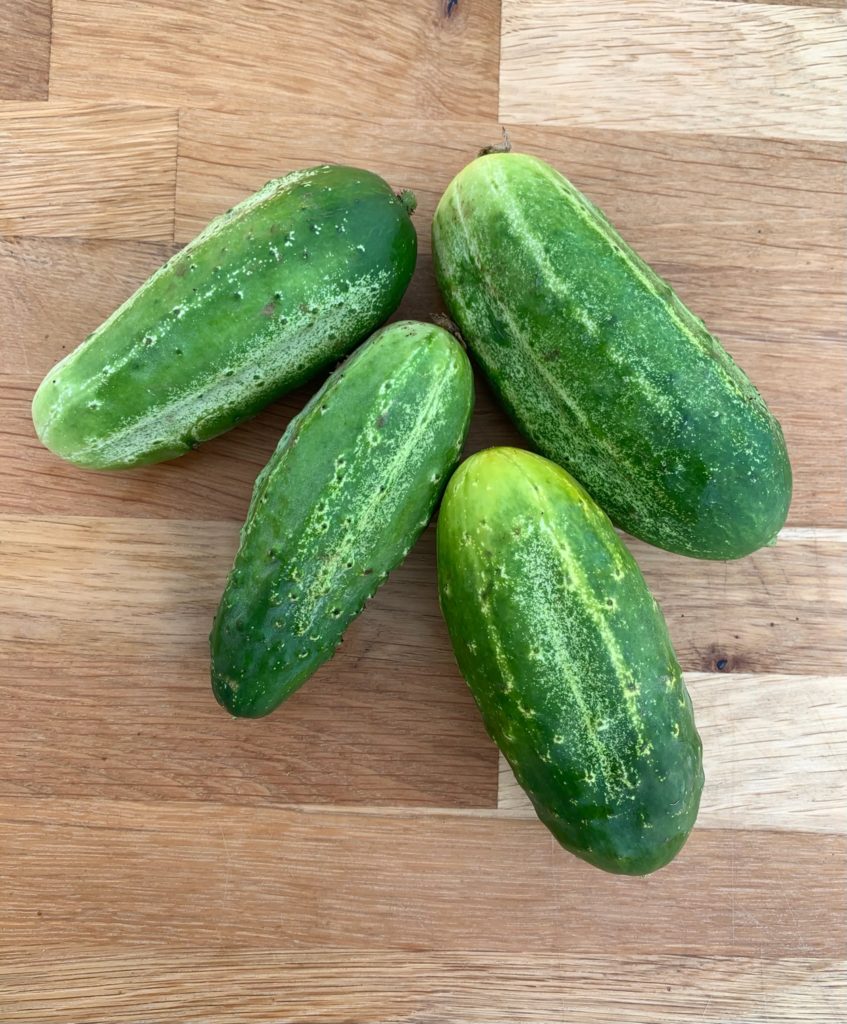
Cucumbers are a crisp and refreshing vegetable with a mild, subtly sweet flavor. They have a high water content, which gives them a hydrating and cooling quality. The flesh of cucumbers is pale green and juicy, with a crisp texture. They are commonly enjoyed fresh in salads, sandwiches, and wraps, or sliced as a refreshing snack.
Please refrigerate.
Rinse. Eat raw or cooked.
Pickling: To make refrigerator pickled cucumbers, start by washing and thinly slicing the cucumbers. Place the cucumber slices in a clean, sterilized jar or container. In a separate bowl, combine equal parts of water and vinegar (such as white vinegar or apple cider vinegar) along with salt and sugar to taste. Stir until the salt and sugar dissolve completely. You can also add spices like dill, garlic, mustard seeds, or red pepper flakes for extra flavor. Pour the vinegar mixture over the cucumber slices, making sure they are fully submerged. Place a lid or cover on the jar and refrigerate for at least 24 hours to allow the flavors to develop. The pickled cucumbers will keep well in the refrigerator for up to a few weeks, and they can be enjoyed as a tangy and refreshing snack or used as a topping for sandwiches, salads, or tacos.
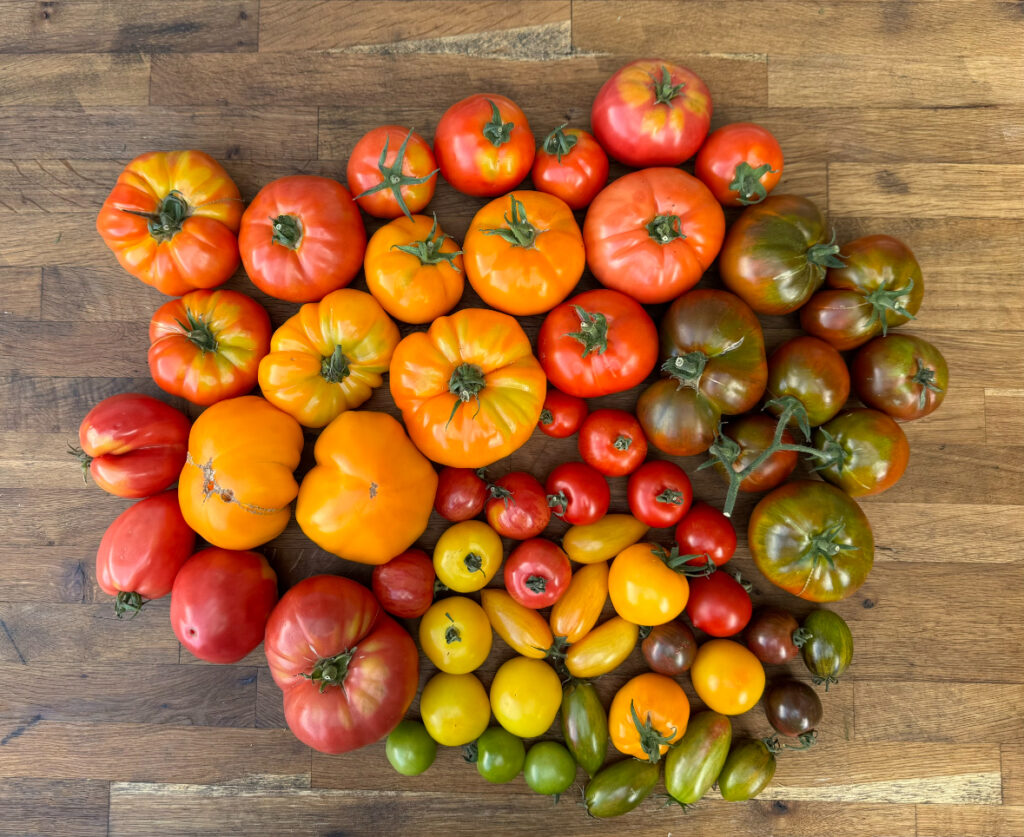
Heirloom tomatoes come in a rainbow of colors from deep red to golden yellow, green-striped, purple, and even nearly black, with flavors ranging from sweet and fruity to tangy and smoky. Their unique shapes and rich taste make them perfect for salads, sandwiches, roasting, or enjoying fresh.
Keep ripe, uncut tomatoes at room temperature, away from direct sunlight, in a single layer with the stem side up to prevent bruising. If tomatoes are not fully ripe, place them in a paper bag at room temperature to encourage ripening. Once fully ripe, you can transfer them to the refrigerator's vegetable drawer, but allow them to return to room temperature before consuming for optimal flavor. Avoid storing tomatoes in airtight containers, as this can lead to moisture buildup and affect their quality. Use tomatoes within a few days of ripening for the best taste and texture.
Rinse. Eat raw or cooked.
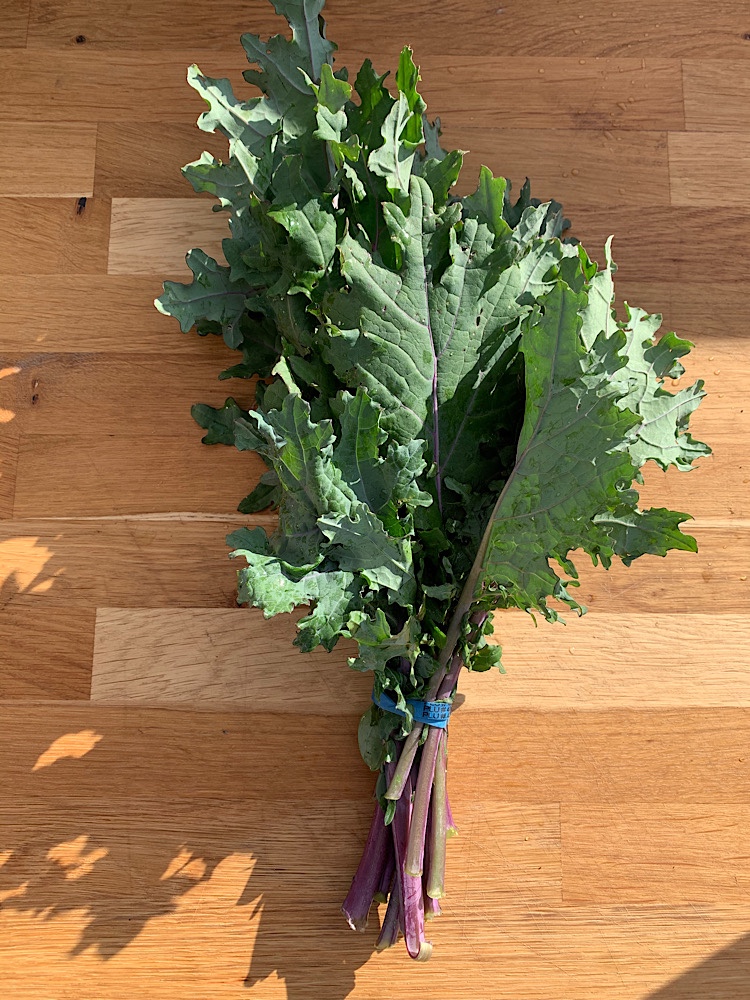
Kale, a leafy green vegetable renowned for its robust and earthy flavor, belongs to the Brassica family and stands as a nutritional powerhouse. Its slightly bitter, peppery taste lends itself well to a multitude of culinary applications, from hearty salads and smoothies to sautés and soups.
Rinse. Remove from stems because leaves cook faster. Chop or use whole leaves. Eat raw or cooked. If the kale starts to wilt, you can revive it by soaking the leaves in ice water for a few minutes before patting them dry and using as desired.
To store kale, place unwashed leaves in a container lined with a dry paper towel to absorb excess moisture. Seal the bag or container loosely to allow for some airflow. Store the bag in the refrigerator's crisper drawer, where it will stay fresh for a few days.
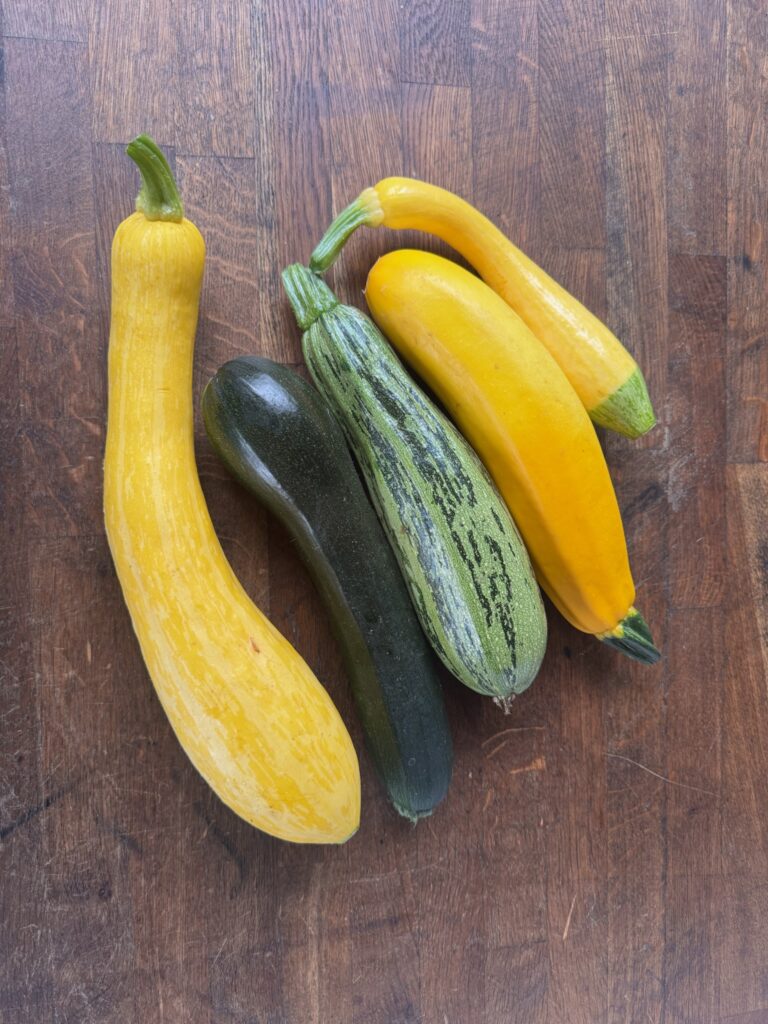
Summer squash refers to a variety of tender, edible gourds that are harvested during the summer months. They typically have a vibrant, yellow or green skin and a mild, slightly sweet flavor. Summer squash comes in various shapes, including elongated, cylindrical zucchini and round or bulbous varieties like pattypan and yellow crookneck squash. The flesh is tender and succulent, with a delicate texture that holds up well in both raw and cooked preparations.
Rinse. Eat raw or cooked.
Handle gently. The skin is thin and fragile. Keep on the counter and use within a week. If you aren't going to use them right away keep in the refrigerator.