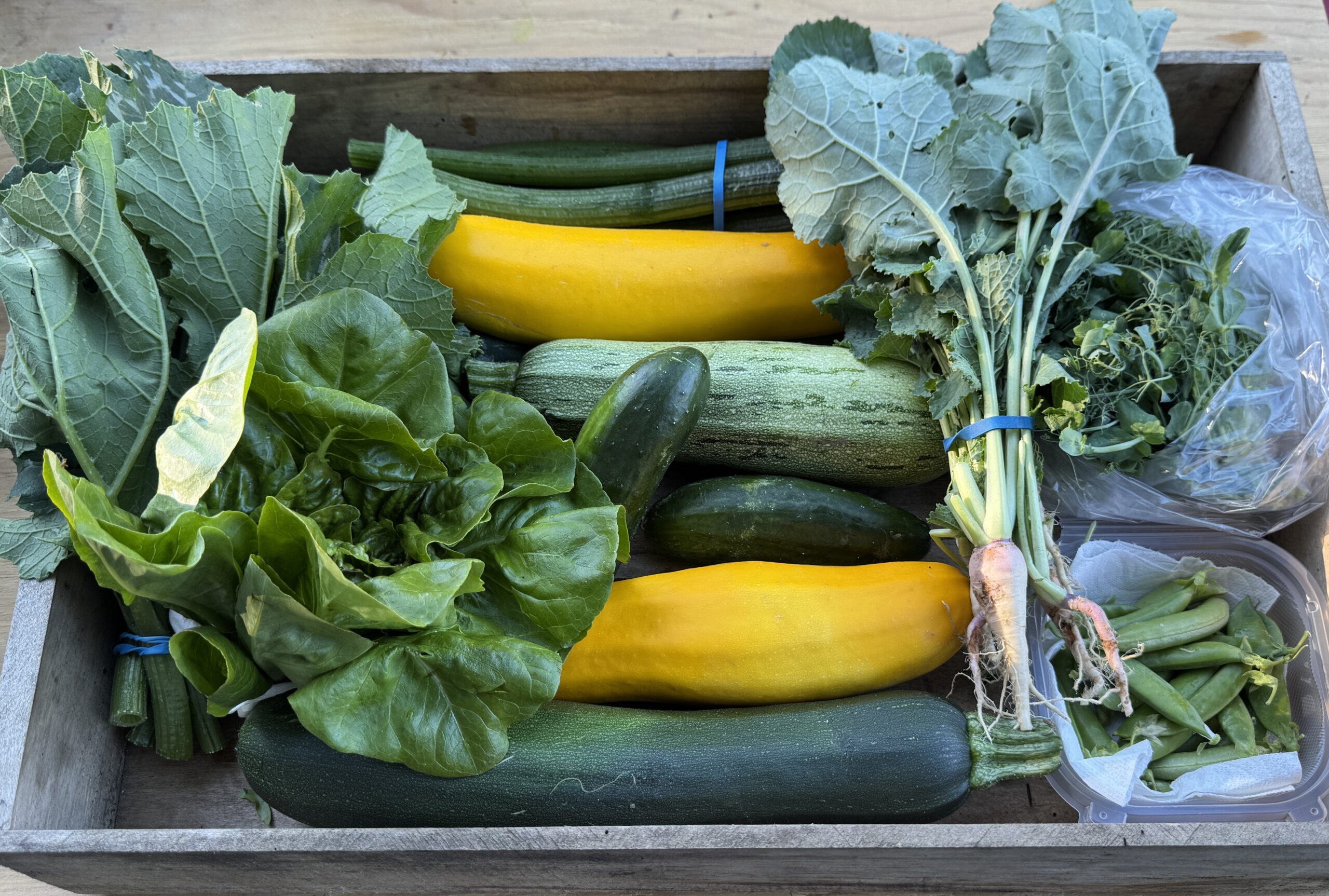
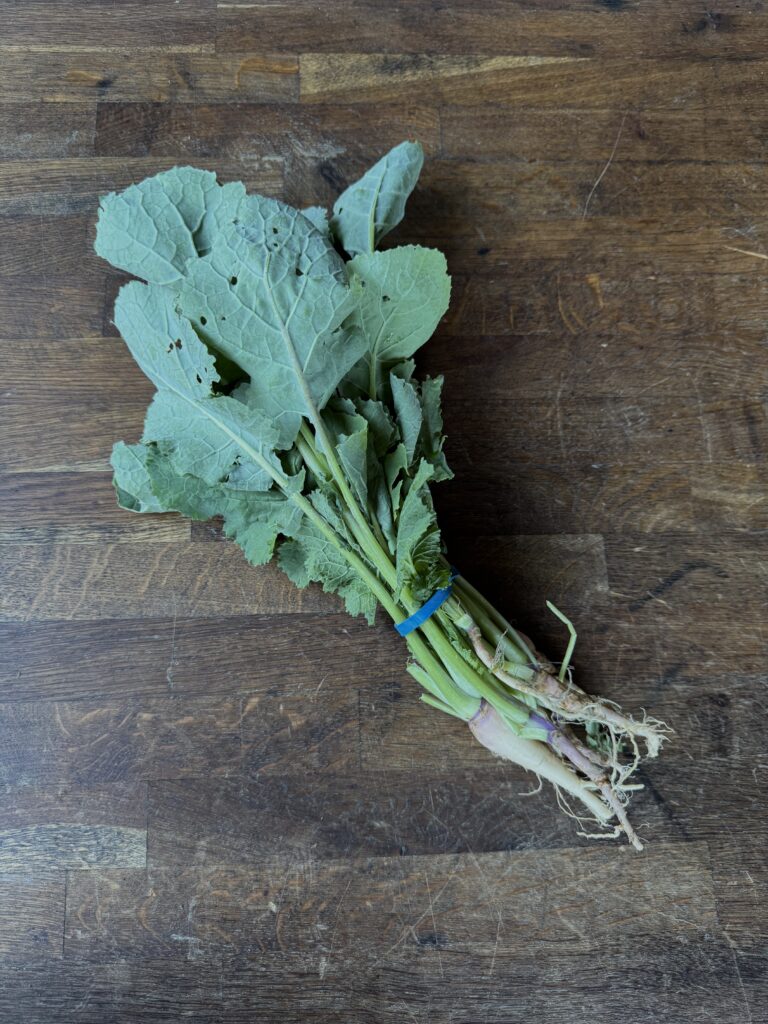
Baby Rutabaga Greens: Mildly peppery with a hint of bitterness. Great sautéed like kale, added to soups, or tossed into stir-fries.
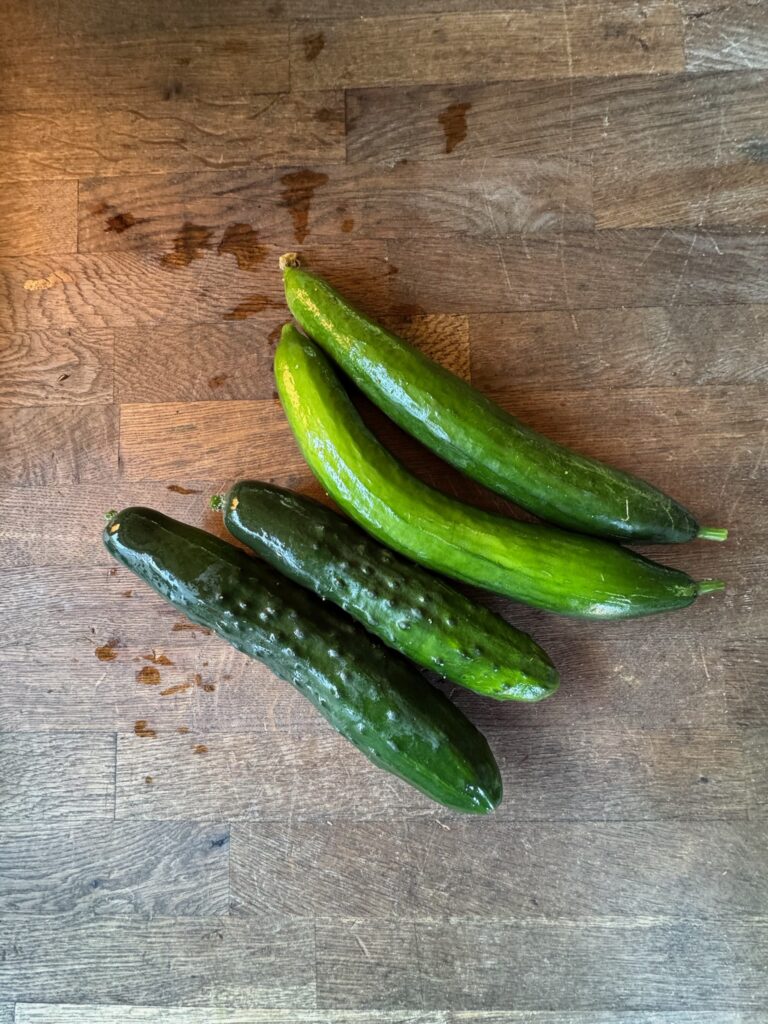
Cucumbers: Crisp and refreshing with a subtle sweetness. Perfect sliced into salads, tucked into sandwiches, or quick-pickled.
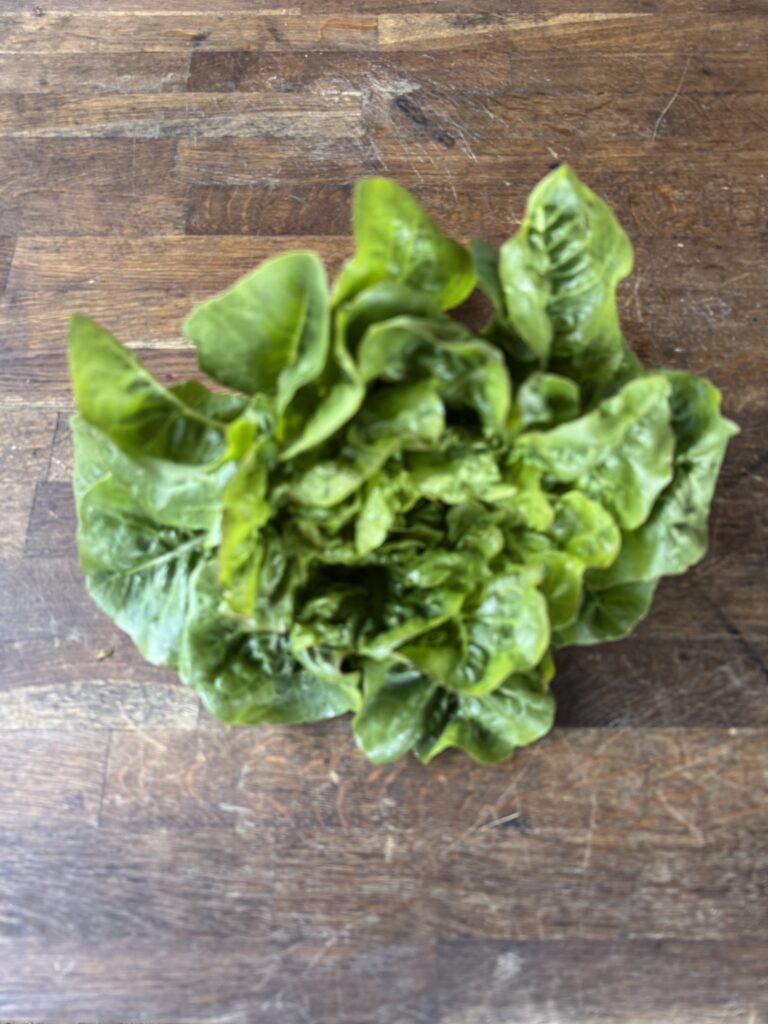
Lettuce: Light and mild with a gentle crunch. Ideal for salads, wraps, or layering in sandwiches and burgers.
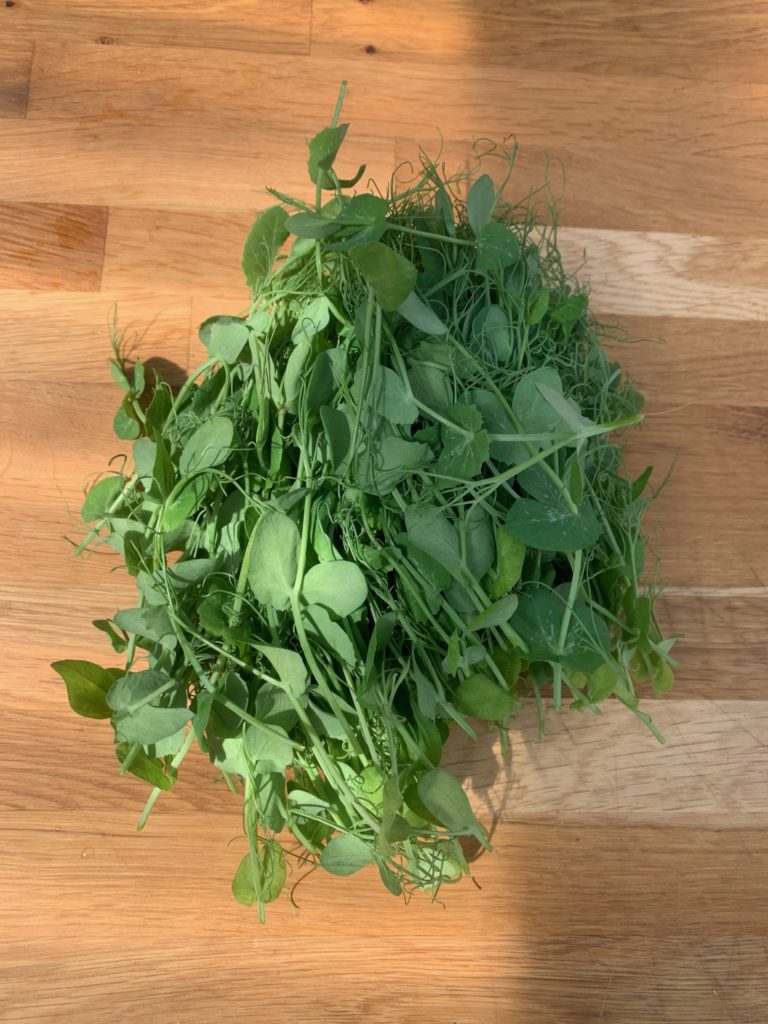
Pea Tendrils: Delicate and tender, pea tendrils offer a fresh, mildly sweet flavor reminiscent of young peas.
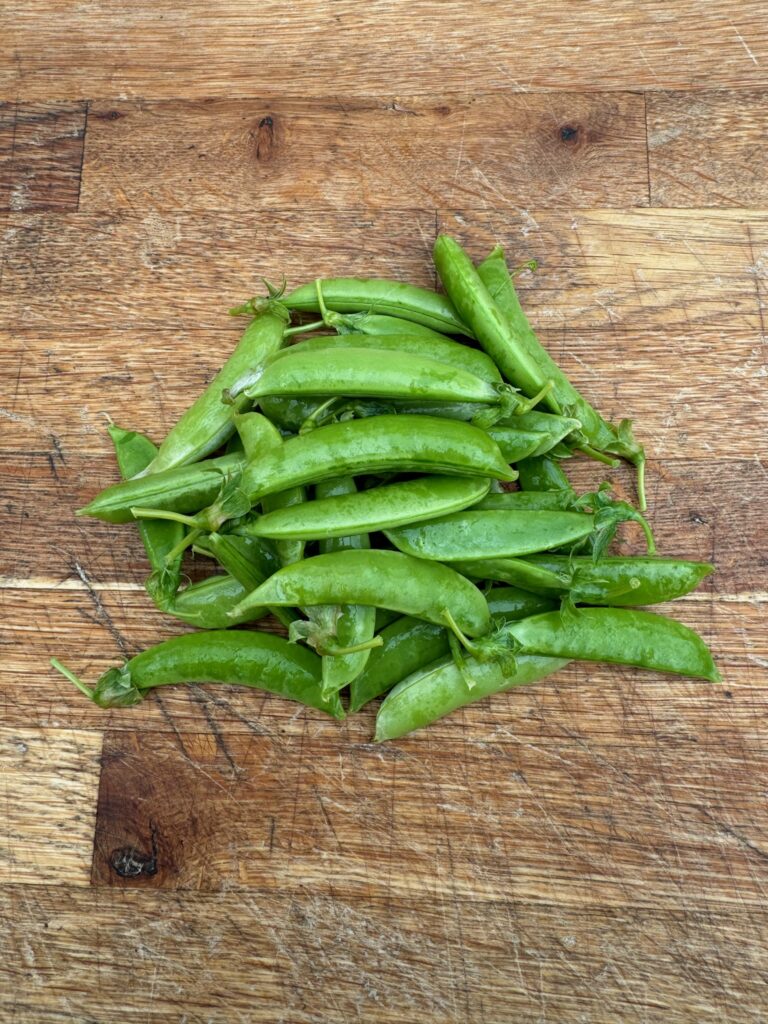
Sugar Snap Peas: Sweet and crisp, great for snacking. Also delicious sautéed, stir-fried, or tossed into pasta dishes.
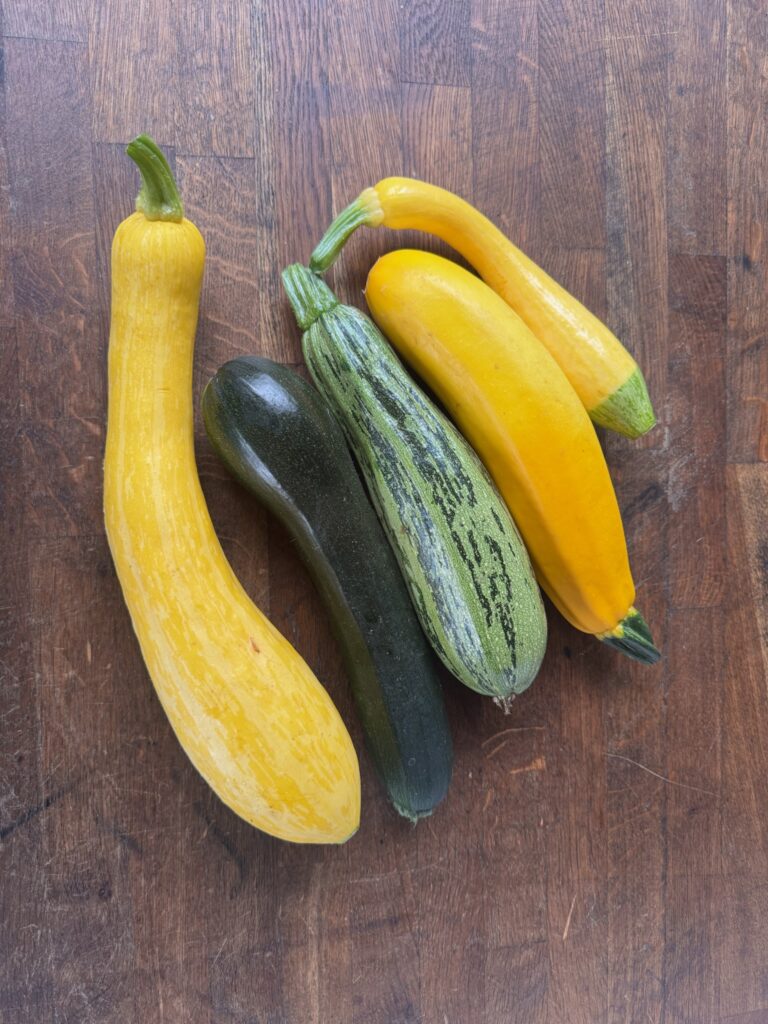
Summer Squash: Sweet and tender, can be grilled, roasted, or sautéed.
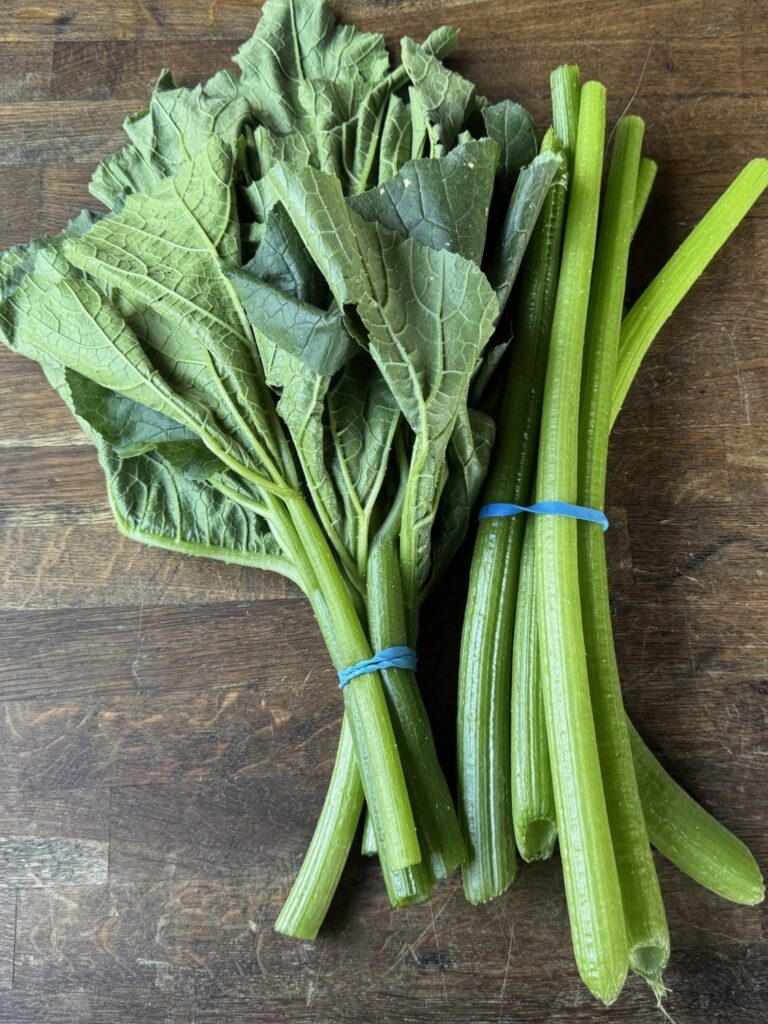
Squash Leaves and Stems: Mild and slightly fuzzy, with a green, earthy taste. Best when chopped and sautéed or simmered in soups and curries.
Yay for cucumbers, but a heads up. Last year the heat fluctuations led to some bitter cucumbers, especially at the ends. We’ve tried a few this week and they have all been great. If you do run into bitterness, just trim the ends and peel the skin. The rest should be crisp and delicious.
A note from Chris
This Week on the Farm: Summer Growth, New Plantings, and Plenty of Weeds
Summer has arrived and the zucchini are proving it. They’re producing like crazy and growing faster than we can keep up. The heat this week turned them into baseball bats overnight. If you find a giant one in your box, just know it’s living its best summer life.
The cucumbers are vining nicely, but the cooler weather earlier slowed pollinators, so fruit set has been a bit behind. The recent heat should help. It has also made some cucumbers a little bitter. If yours are, peeling them usually does the trick.
Some of the lettuce got a bit sunburned in the heat, but it still tastes good. There are peas this week too, though the heat has taken its toll on them. They may not be quite as plump as we would like.
The tomatoes have started setting fruit. It is always exciting to see those first clusters forming. Fun fact: it takes about 60 to 80 days from flower to ripe fruit, and once fruit is set it can take another 20 to 60 days to fully ripen. We are watching them closely and cannot wait for the first ripe ones.
The weeds are growing better than anything else. We are deep into weeding season and it is always a puzzle how they thrive while the radishes refuse to grow.
Here’s what we’ve planted recently
Red, green, Napa, and Savoy cabbage
Okra
Slicing cucumbers
Cantaloupe and Sugar Baby watermelon
About 400 hot and sweet peppers in the hoophouse
Multi-colored Asian eggplants
Celeriac and celery
600 sweet yellow and red onion starts
Thank you for following along with our farm’s progress. We’re working hard to bring you the best of the season and appreciate your support.
Baby Rutabaga Greens
Rutabaga greens are the leafy tops of the rutabaga plant, similar in appearance and flavor to turnip greens but often a bit heartier. They have a slightly peppery, earthy taste and a firm texture that softens with cooking. These greens can be sautéed, braised, or added to soups and stews, bringing a bold, savory note to dishes. Like other brassica greens, they benefit from being cooked with garlic, onion, or a splash of vinegar to balance their flavor. When young and tender, rutabaga greens can also be chopped and added raw to salads or slaws.
Prep
Rinse. The whole baby rutabaga is edible, including the leaves and root. Eat raw or cooked. If the greens start to wilt, soak them in ice water for a few minutes to refresh, then pat dry before using.
Storing
It's best to use leaves within a few days for optimal flavor. To store it, place unwashed leaves in a perforated plastic bag or a container lined with a dry paper towel to absorb excess moisture. Seal the bag or container loosely to allow for some airflow. Store the bag in the refrigerator's crisper drawer, where it will stay fresh for a few days.
How to use:
Sautéed: Cook rutabaga greens with olive oil, garlic, and a pinch of salt for a simple, savory side dish.
Steamed or Braised: Gently steam or braise the greens with a splash of broth or vinegar to soften their texture and mellow their earthy flavor.
In Soups and Stews: Chop and add rutabaga greens to soups and stews toward the end of cooking for added greens and depth of flavor.
Raw in Salads: Use young, tender rutabaga greens raw in salads or slaws for a slightly peppery bite.
Stir-Fried: Toss the greens into a stir-fry with other vegetables, ginger, and soy sauce for a quick and tasty dish.
Cucumbers
Cucumbers are a crisp and refreshing vegetable with a mild, subtly sweet flavor. They have a high water content, which gives them a hydrating and cooling quality. The flesh of cucumbers is pale green and juicy, with a crisp texture. They are commonly enjoyed fresh in salads, sandwiches, and wraps, or sliced as a refreshing snack.
Storing
Please refrigerate.
Prep
Rinse. Eat raw or cooked.
Preserving
Pickling: To make refrigerator pickled cucumbers, start by washing and thinly slicing the cucumbers. Place the cucumber slices in a clean, sterilized jar or container. In a separate bowl, combine equal parts of water and vinegar (such as white vinegar or apple cider vinegar) along with salt and sugar to taste. Stir until the salt and sugar dissolve completely. You can also add spices like dill, garlic, mustard seeds, or red pepper flakes for extra flavor. Pour the vinegar mixture over the cucumber slices, making sure they are fully submerged. Place a lid or cover on the jar and refrigerate for at least 24 hours to allow the flavors to develop. The pickled cucumbers will keep well in the refrigerator for up to a few weeks, and they can be enjoyed as a tangy and refreshing snack or used as a topping for sandwiches, salads, or tacos.
How to use
Fresh in salads: Cucumbers add a crisp and refreshing element to salads. Simply slice or dice them and toss them with other vegetables, greens, and your favorite dressing.
Cool and refreshing snack: Slice them into rounds or sticks and enjoy them plain or with a dip like hummus or tzatziki.
Cucumber sandwiches: Make a classic cucumber sandwich by layering thin cucumber slices on bread spread with cream cheese or butter. Add a sprinkle of salt and pepper for extra flavor.
Gazpacho or cold soups: Blend cucumbers with other ingredients like tomatoes, peppers, and herbs to make a refreshing gazpacho or chilled cucumber soup.
Pickles: Turn cucumbers into pickles by soaking them in a brine solution with vinegar, water, salt, and spices. Allow them to marinate for a few days to develop the desired flavor. more info above.
Sushi rolls: Use cucumber slices as a filling in homemade sushi rolls for a crunchy texture and refreshing taste.
Cucumber water: Infuse water with cucumber slices for a refreshing and hydrating beverage. Add mint leaves or lemon slices for extra flavor.
Cucumber cocktails: Blend cucumber slices with your favorite fruits and herbs to make refreshing cocktails or mocktails.
Cucumber salsa: Dice cucumbers and mix them with tomatoes, onions, jalapeños, cilantro, and lime juice to create a flavorful salsa.
Cucumber noodles: Spiralize or julienne cucumbers to create "noodles" and use them as a base for salads or as a lighter alternative to pasta in dishes like cold sesame cucumber noodles.
Head Lettuce
Lettuce, a leafy green vegetable, is known for its mild and refreshing taste. With its crisp texture and delicate flavor, lettuce offers a light and cooling sensation in the mouth. The leaves are often tender and slightly sweet, accompanied by a subtle hint of bitterness that adds depth to its overall taste.
Prep
Rinse. Remove leaves from the base, chop or add whole leaves. Eat raw or cooked. If the lettuce starts to wilt, you can revive it by soaking the leaves in ice water for a few minutes before patting them dry and using as desired.
Storing
It's best to use it within a few days for optimal flavor. To store it, place unwashed leaves in a bag or a container lined with a dry paper towel to absorb excess moisture. Seal the bag or container loosely to allow for some airflow. Store the bag in the refrigerator's crisper drawer, where it will stay fresh for a few days.
Preserving
Freezing: While lettuce doesn't freeze well on its own, you can use the freezing method for preserving lettuce for cooked dishes or for making soups, stews, or smoothies. Blanche or steam the lettuce briefly, then cool it down quickly in ice water and pat dry before freezing in airtight containers or freezer bags.
How to use:
Salads: Lettuce is a staple ingredient in salads. Use it as a base and layer on other vegetables, fruits, proteins, and dressings to create a refreshing salad.
Wraps and Sandwiches: Replace bread or tortillas with large lettuce leaves to create healthy and low-carb wraps or sandwich wraps. Fill them with your favorite fillings such as grilled chicken, turkey, or veggies.
Burgers and Sandwiches: Add a crisp lettuce leaf to your burgers or sandwiches to provide a crunchy and fresh element. It adds texture and helps balance out the flavors.
Lettuce Cups: Use large lettuce leaves as cups to hold flavorful fillings like stir-fried vegetables, seasoned meats, or grains. This makes for a light and refreshing meal or appetizer.
Soups and Stews: Add shredded lettuce to hot soups or stews just before serving. The lettuce will wilt slightly and add a refreshing touch to the warm dish.
Stir-fries: Toss lettuce leaves into stir-fries at the last minute, allowing them to wilt slightly but still maintain some crispness. They add a fresh and vibrant element to the dish.
Smoothies: Yes, you can even add lettuce to your smoothies!
Pea tendrils, also known as pea shoots or pea sprouts, are young and tender tendrils that grow from the tops of pea plants. They are delicate, leafy greens with thin, curly stems and small, bright green leaves. The taste of pea tendrils is often described as mild and slightly sweet, with a subtle hint of the distinct flavor found in mature peas. The texture is tender and crisp, providing a pleasant crunch.
Prep
Rinse. The whole tendril is edible. Sometimes the stems get a little woody at the ends and can be removed. Eat raw or cooked.
Storing
It's best to use it within a few days for optimal flavor. To store it, place unwashed leaves in a perforated plastic bag or a container lined with a dry paper towel to absorb excess moisture. Seal the bag or container loosely to allow for some airflow. Store the bag in the refrigerator's crisper drawer, where it will stay fresh for a few days.
How to use:
Salads: Add pea tendrils to your favorite salad greens for an extra layer of texture and flavor.
Stir-fries: Toss pea tendrils into stir-fries towards the end of cooking. Their tender texture and subtle flavor make them a perfect addition to stir-fried vegetables, meats, or noodles.
Sandwiches and Wraps: Layer pea tendrils in sandwiches or wraps to add a crisp and refreshing bite. They can provide a light and delicate crunch, along with a touch of sweetness.
Soups and Stews: Add pea tendrils to hot soups or stews just before serving. They will wilt slightly, adding a pop of green color and a burst of freshness to the dish.
Pasta Dishes: Mix cooked pea tendrils into pasta dishes like spaghetti or fettuccine. The tendrils will add a delicate and vibrant element to the pasta, complementing the other ingredients.
Pesto or Sauce: Blend pea tendrils with garlic, nuts, cheese, and olive oil to make a flavorful pesto or sauce. Use it as a spread, dip, or toss it with cooked pasta for a quick and vibrant meal.
Side Dish: Sauté pea tendrils with garlic and olive oil for a simple and nutritious side dish. The gentle cooking will help retain their delicate flavor and texture.
Sugar snap peas are known for their sweet flavor and crunchy texture. Unlike other pea varieties, both the pod and peas inside are edible, making them convenient and enjoyable to eat raw or cooked. Sugar snap peas are bright green, with a plump, juicy interior that bursts with a fresh, mildly sweet taste reminiscent of garden peas. They are often enjoyed in salads, stir-fries, or simply as a snack on their own.
Prep
Sugar snap peas only need the stem end removed to enjoy. Rinse before eating. They can be eaten raw or cooked. Note that fuller pods might have some strings that need to be removed.
Storing
Sugar snap peas should be used sooner rather than later. Place the unwashed sugar snap peas in a bag or a container lined with a dry paper towel to absorb excess moisture. Leave the bag slightly open or use a container with ventilation to allow for some airflow. Store the sugar snap peas in the refrigerator's crisper drawer.
How to use:
Snacks: Enjoy sugar snap peas raw as a crunchy, healthy snack on their own or with dips like hummus or ranch.
Stir-Fries: Add sugar snap peas to stir-fries for a crisp texture and sweet flavor. They cook quickly, so add them near the end of cooking.
Salads: Toss raw or lightly blanched sugar snap peas into salads for a fresh, sweet crunch.
Side Dish: Steam or sauté sugar snap peas with a little garlic and olive oil for a simple, tasty side dish.
Soups: Add sugar snap peas to soups for a bright, crisp vegetable component.
Pasta: Include sugar snap peas in pasta dishes for a pop of color and a sweet, crisp bite. They can be added to both hot and cold pasta salads.
Roasting: Toss sugar snap peas with olive oil, salt, and pepper, then roast them in the oven until tender.
Summer Squash
Summer squash refers to a variety of tender, edible gourds that are harvested during the summer months. They typically have a vibrant, yellow or green skin and a mild, slightly sweet flavor. Summer squash comes in various shapes, including elongated, cylindrical zucchini and round or bulbous varieties like pattypan and yellow crookneck squash. The flesh is tender and succulent, with a delicate texture that holds up well in both raw and cooked preparations.
Prep
Rinse. Eat raw or cooked.
Storing
Handle gently. The skin is thin and fragile. Keep on the counter and use within a week. If you aren't going to use them right away keep in the refrigerator.
Preserving
Freezing: Wash and slice the squash into desired shapes, such as rounds or cubes. Blanch the slices in boiling water for a couple of minutes, then quickly transfer them to an ice bath to cool. Drain well and pat dry. Arrange the slices in a single layer on a baking sheet and freeze until firm. Transfer the frozen slices to airtight freezer bags or containers, removing as much air as possible. Label and date the packages, then store them in the freezer for up to 8-10 months.
Dehydrating: Slice the squash into thin rounds or strips. Arrange the slices on dehydrator trays or a baking sheet lined with parchment paper. Set the dehydrator to the appropriate temperature for vegetables or use the oven on its lowest setting. Dry the slices until they are crisp and brittle. Store the dehydrated squash in airtight containers or resealable bags. Rehydrate the slices in water or broth before using them in recipes.
How to use:
Grilling: Slice the squash into thick rounds or lengthwise strips and brush them with olive oil and seasonings. Grill them over medium heat until tender and slightly charred.
Sautéing: Cut the squash into bite-sized pieces or slices and sauté them in a little olive oil or butter until they are golden brown and tender. You can add herbs, garlic, or other seasonings for extra flavor. Sautéed summer squash can be enjoyed as a side dish, added to pasta, or used as a topping for pizzas.
Roasting: Toss sliced summer squash with olive oil, salt, and pepper, then spread them in a single layer on a baking sheet. Roast in a preheated oven at around 425°F (220°C) for 15-20 minutes or until they are tender and caramelized. Roasted summer squash is a tasty addition to grain bowls, salads, or as a side dish.
Raw in salads: Thinly slice or julienne summer squash and add it to salads for a fresh and crisp texture.
Stuffed squash: Hollow out larger summer squash varieties like zucchini or pattypan and fill them with a stuffing of your choice, such as cooked grains, cheese, herbs, or ground meat. Bake until the squash is tender and the filling is cooked through.
Soups and stews: Add sliced or cubed summer squash to soups, stews, or chili for added flavor and texture. It cooks relatively quickly and absorbs the flavors of the other ingredients.
Spiralized: use a spiralizer to make squash noodles. You can simply sauté the squash noodles in a bit of olive oil or butter until they are tender but still retain some crunch. Top them with your favorite pasta sauce, such as marinara, pesto, or alfredo, and garnish with grated cheese, fresh herbs, or toasted nuts. You can also use spiralized summer squash in salads, stir-fries, or cold noodle dishes.
Sauce base: Summer squash can be used to create a delicious and creamy sauce that pairs well with pasta, grains, or roasted vegetables. Start by slicing the summer squash into small cubes or rounds. Steam or sauté until it becomes tender. Transfer the cooked squash to a blender or food processor and blend it until smooth. Add a splash of broth or dairy of choice, a squeeze of lemon juice, and season with salt, pepper, and herbs like basil or thyme to enhance the flavor. You can also incorporate garlic, onion, or Parmesan cheese for additional depth. Adjust the consistency by adding more broth if needed. Toss the sauce with cooked pasta or drizzle it over roasted vegetables.
Squash leaves and stems are edible parts of the squash plant often used in traditional cooking across many cultures. The leaves are broad and tender with a mild slightly grassy flavor. The stems are hollow and mildly sweet with a pleasant crunch. Both need to be prepped by removing any tough fibers or spines and are best cooked to soften their texture. They are commonly sautéed stir fried or added to soups and stews. Squash greens pair well with garlic onions and coconut milk and are a great way to use more of the plant during the growing season.
Prep
Rinse squash leaves and stems well to remove dirt and tiny spines. Trim off any tough or woody parts of the stems and peel off any fibrous outer layers if needed. Chop into bite-sized pieces. Blanching briefly in boiling water can help soften them before adding to stir-fries, soups, or stews. Cooking them tames their slightly fuzzy texture and brings out their mild, earthy flavor.
If the leaves start to wilt, you can revive it by soaking the leaves in ice water for a few minutes before patting them dry.
Storing
Gently wrap them in a slightly damp paper towel and place them in a loosely sealed plastic bag or airtight container. Store them in the refrigerator's crisper drawer to help maintain their freshness. It's essential to use them as soon as possible, preferably within a day or two, as they are delicate and can wilt quickly. Avoid washing the blossoms until you're ready to use them, as excess moisture can lead to spoilage. With proper storage, you can preserve the delicate flavor and vibrant appearance of squash blossoms for culinary delights in various dishes.
How to use:
Sautéed Greens: Sauté squash leaves and tender stems with garlic and oil for a quick and flavorful side dish. Add a splash of lemon juice or soy sauce to brighten the flavor.
Soups and Stews: Add chopped squash greens and stems to soups and stews near the end of cooking. They wilt down like spinach and add a mild, earthy taste.
Stir-Fries: Toss squash leaves into stir-fries with other vegetables, noodles, or rice. They cook quickly and absorb sauces well.
Steamed: Steam the leaves and stems lightly and serve with a drizzle of olive oil and a sprinkle of salt. This method preserves their delicate texture.
Curries: Add squash leaves to coconut-based curries for a hearty, nourishing green. They hold up well to bold spices.
Stir-Fry: Sauté sliced summer squash, chopped squash stems, and sugar snap peas in olive oil. Add baby rutabaga greens and cook just until wilted. Finish with a splash of tamari or lemon juice.
Salad: Toss lettuce, sliced cucumbers, raw sugar snap peas, and pea tendrils. Add a simple vinaigrette of olive oil and vinegar. Top with toasted seeds or a soft-boiled egg for extra texture and protein.
Soup: Simmer sliced summer squash, sugar snap peas, and chopped squash stems in vegetable broth. Add rutabaga greens and pea tendrils just before serving for a vibrant, garden-fresh broth.
Wraps: Fill tortillas or large lettuce leaves with sautéed squash stems, sliced summer squash, and fresh pea tendrils. Add hummus or yogurt dressing for flavor and creaminess.
Grilled Veggie Platter: Grill thick slices of summer squash and serve with lightly blanched sugar snap peas and raw cucumber slices. Add a dipping sauce like herbed yogurt or lemon-tahini.
Wilted Greens Side: Sauté baby rutabaga greens and squash leaves with garlic in olive oil until tender. Serve warm as a simple side or on toast with a drizzle of olive oil.
Crisp Veggie Bowl: Fill a bowl with a base of lettuce and top with sliced cucumbers, raw sugar snap peas, and ribbons of raw summer squash. Add pea tendrils and a squeeze of lemon or a dollop of dressing for a light meal.
Quick Pickle Salad: Lightly pickle sliced cucumbers and sugar snap peas in vinegar, salt, and a touch of sugar. Serve chilled over lettuce or alongside a main dish for a tangy crunch.
Veggie Pasta Toss: Cook pasta and toss with sautéed squash stems, baby rutabaga greens, and sliced summer squash. Add olive oil, garlic, and lemon zest for a bright, seasonal dinner.
Stuffed Summer Squash: Hollow out small summer squash and stuff with a mixture of sautéed squash stems, chopped rutabaga greens, and herbs. Bake until tender and serve with a fresh cucumber and pea tendril salad.